Iranupdated 54m ago3 min read
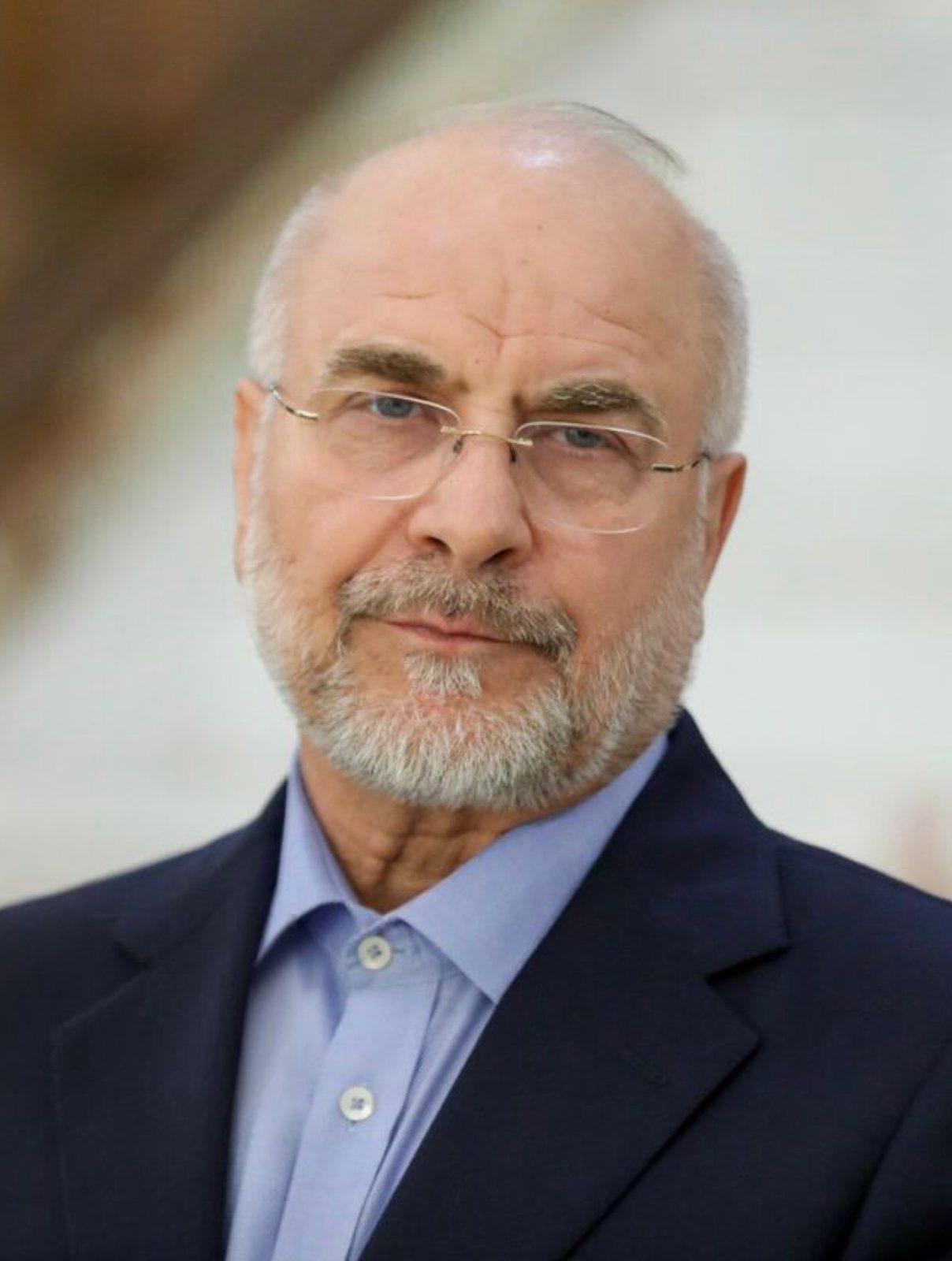
Mohammad Bagher Ghalibaf Warns US War With Iran Would Kill Soldiers, Crash Markets
This article is an automated aggregation of coverage from news outlets. Our editorials offer in-depth analysis curated by the NewsCord team.
Ghalibaf warned war with Iran would impose heavy costs on the United States. He said the conflict could trigger economic harm, including stock market collapse.
Save coverage image
One story. Different accounts.
“El-Sayed blamed the war in Iran.”
“Iranian Parliament Speaker Mohammad Bagher Ghalibaf has warned US policymakers and the American public that a war with Iran would carry heavy economic and military costs for the United States.”
Explore source coverage 3 source types
Directory totals describe our source library, not outlets checked for this story.
Ghalibaf warns of costs
Iranian Parliament Speaker Mohammad Bagher Ghalibaf warned US policymakers and the American public that a war with Iran would carry heavy economic and military costs for the United States. Ghalibaf said such a decision would bring at least 10 negative consequences, including a stock market crash, downed fighter jets, rising government debt, higher inflation, and an increase in the number of US military personnel killed. Ghalibaf also said choosing the path of war was not inevitable, but warned that if the United States made that choice, it would have to bear all the consequences.
Ghalibaf urged Americans to “break this artificial Matrix” and walk away from what he described as a bitter and fruitless course of action. The Tasnim account of Qalibaf’s message echoed the same warning, saying “If you think that war with Iran will benefit you, you are wrong” and listing consequences from a collapse of the stock market to the “number of your dead soldiers!”
US politics and oil
US voters in polls backed by the Associated Press-NORC Center for Public Affairs Research said the next United States Congress should focus on lowering the cost of living and ending the war in Iran. The AP-NORC results showed that Eighty percent of those surveyed said lawmakers should make addressing reducing prices for consumers one of the priorities of the 120th Congress, and about 7 in 10 said ending the war in Iran should be a main objective. The Insular FM account said Donald Trump accused Iran of manipulating the price of oil to harm Republicans in the US elections on November 3, arguing that Iranian authorities were using energy uncertainty as a political pressure tool.
Insular FM reported that Trump claimed Iran was doing everything possible to raise the price of oil before the midterm elections, including spreading information about attacks and the presence of sea mines. El Periódico tied oil price movements to the war, saying Brent futures trading range was set at 11.37 dollars and noting that the April 8 announcement of a ceasefire between the U.S. and Iran caused a price collapse.
Threats, diplomacy, and markets
Major General Mohsen Rezai, secretary of Iran's Supreme National Security Council, warned that “acting against Iran has a cost” and said Tehran prefers the diplomatic route if diplomacy can create understanding. Rezai said that if the war continues, Iran has the means to respond, and he warned that if a new war erupts, Iran would have the capacity to launch missiles and drones against various American assets across the region. Rezai also said Iran would widen the scope of its targets and described a broader plan, while rejecting Washington’s claims of destroying Iran’s military infrastructure and saying Iran has been preparing for decades.
In the same interview, Rezai said “Energy markets will not be quiet over the next three years,” and he argued that the prolongation of the war has altered regional dynamics in Iran’s favor. Waste Connections executives linked ongoing Iran-war effects to diesel costs, with CEO Ron Mittelstaedt saying the company was recovering higher fuel costs “faster than expected,” and CFO Mary Anne Whitney noting that fuel price impacts affected costs for “parts and materials, building and property, or capex repairs.”