Full story
Drones, denials, and threats
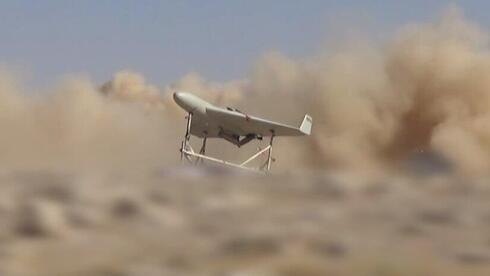
Saudi Arabia said it intercepted and destroyed drones aimed at petroleum facilities in the Eastern Province and Riyadh, and blamed Iran-backed militias operating in Iraq for the attacks.
The Islamic Resistance in Iraq rejected Saudi accusations that drones used in attacks on the Kingdom were launched from Iraqi territory, calling the claims an attempt to deflect attention from Yemen’s military operations.

In a statement issued on Monday, July 27, 2026, the group warned that any military action by Riyadh would be met with what it described as a “harsh response,” while also urging Saudi Arabia to end what it described as the blockade on Yemen instead of directing accusations at Iraq.
The exchange followed Commander-in-Chief of the Armed Forces Ali Faleh Al-Zaidi ordering Iraqi security agencies to investigate Saudi claims that drones targeting the Kingdom had originated from Iraqi territory, after Saudi authorities made official accusations earlier on Monday.
Saudi response and Houthi claims
Saudi Arabia’s Ministry of Foreign Affairs reaffirmed the kingdom's “unwavering determination to safeguard its security and sovereignty” and stressed “the need for the Iraqi government to take all necessary measures to prevent its territories from being used as grounds from which acts of aggression are launched.”
In parallel, Yemen’s Houthi movement announced Monday that it carried out drone attacks targeting facilities and transfer points for crude oil in eastern Saudi Arabia en route to the port of Yanbu, saying the operation was in retaliation for alleged Saudi violations of Yemeni airspace.
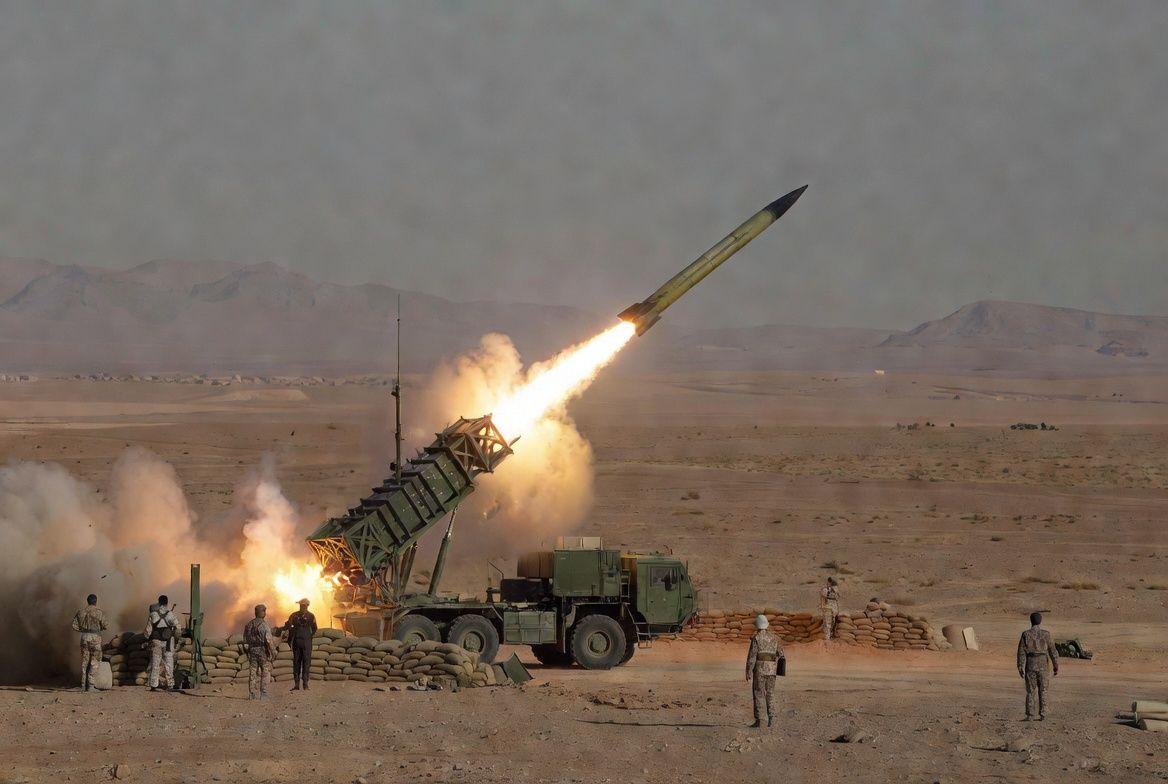
The Saudi defense ministry said air defenses intercepted and destroyed drones targeting petroleum facilities in the Eastern Region and Riyadh, and Saudi officials said they blamed Iran-backed militias in Iraq for launching the drones.
The Houthi military spokesman said the strikes were part of a broader response to Saudi air operations over Yemen, while Saudi officials underscored that the attacks posed a direct threat to energy infrastructure and regional stability.
Pause, mediation, and what’s at risk
The drone reports landed during a broader lull in direct U.S.-Iran strikes, with NewsNation saying the United States halted its two-week campaign of air strikes against Iran two days earlier and that neither the U.S. nor Iran reported carrying out any attacks for three days.
NewsNation also reported that Middle Eastern mediators made progress in efforts to bring the U.S. and Iran back to the negotiating table and prevent a wider conflict, with two regional officials telling the Associated Press that Qatar and Pakistan were leading mediation efforts to restore an interim ceasefire deal that unraveled during the recent exchange of attacks.
Iranian Foreign Ministry spokesperson Esmail Baghaei said mediators continue to pass messages between Washington and Tehran but confirmed there are no direct negotiations with the U.S., and he stressed that the Strait of Hormuz remains closed.
In the same reporting, NewsNation said Iran’s recent retaliation included attacks on countries hosting U.S. forces, killing at least four American service members in Jordan and Iraq, while also noting that the Strait of Hormuz remained effectively paralyzed and that concerns persisted over the Bab al-Mandeb strait after Yemen’s Iran-backed Houthi rebels threatened to expand attacks on shipping in the Red Sea.