Full story
Mecca pact amid Iran tensions
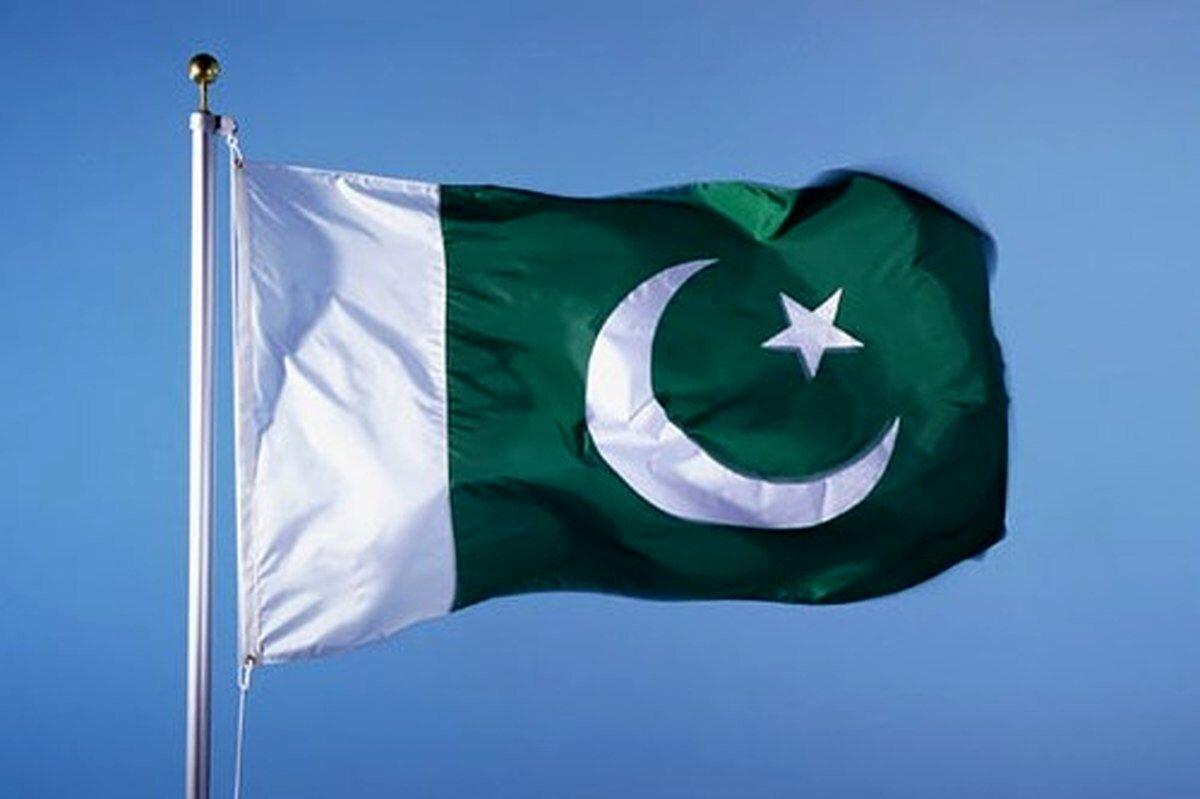
Saudi Arabia, Turkey and Pakistan signed the Mecca Joint Defence Agreement in Mecca on Aug 7, 2026, pledging that an armed attack against one would be regarded as an attack against all, as the pact is framed against regional tensions that include Iran’s influence.
“Leaders of Saudi Arabia, Turkiye and Pakistan signed the Mecca Joint Defence Agreement last Friday”
Al Jazeera’s explainer links the new military coordination to concerns over Israel’s expanding military reach and Iran’s regional influence, and it says the three countries form a sizeable bloc with nearly 1.4 million active military personnel, 3,400 aircraft, 6,000 tanks and more than 340 naval assets according to the 2026 Global Firepower Index.

The same Al Jazeera explainer says Pakistan provides the largest pool of active personnel at 660,000, followed by Turkiye at 481,000 and Saudi Arabia at 247,000, and it adds that the pact comes as the three countries navigate growing regional tensions.
In a separate account, Kurdistan 24 reports that Erdogan said the agreement was signed on Friday in Mecca, Saudi Arabia, and that it came as the region faced the repercussions of the ongoing five-month US-Iranian conflict that extended to regional actors and disrupted navigation through the Strait of Hormuz and the Red Sea.
Erdogan seeks expansion
Erdogan told Asharq Al-Awsat that his vision for the Mecca pact “is not limited to the three countries,” and he said he hoped it would expand so that “all countries of the region” could gather under its umbrella.
Kurdistan 24 reports that Erdogan also stressed the agreement should not be viewed as merely a response to escalation between the United States and Iran, arguing its primary goal was to strengthen deterrence and solidarity among participating countries and to “protect regional stability.”

Dawn reports that Erdogan said the pact emerged out of the “new circumstances” in the Middle East with regional players seeking to assume greater responsibility for their own security and stability, and it quotes him saying “Regional issues should be resolved by regional actors.”
Dawn adds that Turkey expected Egypt to join the pact “in the next stage,” while noting Egypt had not commented and that the agreement contains a NATO-style clause saying any attack on one would be seen as an attack on all.
What the pact means next
Al Jazeera’s explainer says the pact diversifies Saudi Arabia’s defence partnerships beyond the United States, adding Turkiye’s advanced military capabilities and Pakistan’s nuclear deterrent amid growing threats to vital maritime corridors such as the Strait of Hormuz and Bab al-Mandeb.
“diversifies its defence partnerships beyond the United States”
The explainer also frames the deal as opening Saudi financial markets for Turkiye and Pakistan’s defence industries, and it quotes Andreas Krieg saying the pact’s significance lies in how the three countries’ different capabilities could complement one another.
In the same Al Jazeera explainer, David Des Roches told Al Jazeera that the deal also serves Saudi arms diversification amid Western export unpredictability, since Turkiye and Pakistan can supply items like 155mm artillery shells at scale.
Looking at the political messaging around Iran, the Asian report from ThePrint says Iran’s foreign ministry “welcomed moves towards regional self-reliance—provided they confronted what Tehran considers the actual source of instability: Israel,” while also saying it was not an anti-Iran alliance.