Saudi Arabia, Turkey, and Pakistan Sign Mecca Joint Defense Agreement Against Armed Attacks
Image: Noon Post

Saudi Arabia, Turkey, and Pakistan Sign Mecca Joint Defense Agreement Against Armed Attacks

09 August, 2026.Global Politics.20 sources

The story in 15 seconds

  • Saudi Arabia, Turkey, and Pakistan signed the Mecca Joint Defense Agreement.
  • The pact treats an armed attack on any member as an attack on all.
  • Officials say it is not aimed at Iran and remains open to others.

The divide · 1 of 3

Ynetnews downplays military capability; Atlantic Council stresses strategic leverage for Riyadh

Who skipped what

How each outlet frames it

Every outlet we compared, the headline it ran, and a link to the original article.

Source Diversity
20 sources
West Asian
8
Asian
3
Israeli
3
Other
2
Western Mainstream
2
Western Tabloid
1
Western Alternative
1

West Asian

Al Jazeera
Al Jazeera

Turkiye says Mecca defence pact not aimed at Iran

08 August, 2026

Al-Jazirah Net
Al-Jazirah Net

5 Questions About the Mecca Agreement.. Does it Represent the Nucleus of an Islamic NATO?

09 August, 2026

Independent en Español

Pakistan says new defense pact with Saudi Arabia and Turkey is 'purely defensive'

09 August, 2026

The New Arab
The New Arab

How does Iran view the new Mecca Defence Agreement?

08 August, 2026

Al-Ittihad Al-Ishtiraki

"Le Monde": ‘Mecca Agreement’ — a new defense alliance redraws power balances in the Middle East

09 August, 2026

Al-Sharq lil-Akhbar
Al-Sharq lil-Akhbar

"Mecca Agreement for Collective Defense"...A Complementary Alliance that Reframes Regional Security Balances

08 August, 2026

Araby21
Araby21

"Mecca Agreement" between Saudi Arabia, Turkey, and Pakistan... a defensive alliance or the nucleus of an Islamic NATO?

08 August, 2026

Noon Post
Noon Post

Tehran in the Mecca Agreement: Between containment, doubt, and attempts to engage

09 August, 2026

Western Tabloid

Atlantic Council
Atlantic Council

Why Saudi Arabia, Pakistan, and Turkey just signed a defense pact

07 August, 2026

Other

Confilegal
Confilegal

Opinion | The Mecca Pact: An Article 5 Without the West

09 August, 2026

Kashmir Life
Kashmir Life

Can the Makkah Pact Reshape the Middle East’s Security Order?

09 August, 2026

Western Mainstream

DW
DW

Turkey Aims to Bring More Countries into Mecca Defense

08 August, 2026

La Razón
La Razón

Pakistan says the controversial defensive alliance with Turkey and Saudi Arabia is open to other countries

09 August, 2026

Asian

Firstpost
Firstpost

Saudi Arabia, Turkey and Pakistan’s new defence pact: Why India is alert

08 August, 2026

Global Times
Global Times

What message has the Mecca defense pact sent to Washington?

08 August, 2026

The Indian Express
The Indian Express

‘Islamic NATO’? What Saudi-Turkey-Pakistan defence pact means, and how Iran reacted

08 August, 2026

Israeli

i24NEWS
i24NEWS

A defense alliance resembling NATO.. which Arab country is the candidate to join the Mecca Alliance?

08 August, 2026

The Jerusalem Post
The Jerusalem Post

Saudi Arabia's defense pact with Turkey, Pakistan complicates peace with Israel

09 August, 2026

Ynetnews
Ynetnews

‘Islamic NATO’ or paper alliance? The truth behind Saudi Arabia’s new defense pact

09 August, 2026

Western Alternative

Modern Diplomacy
Modern Diplomacy

Mecca Pact: How Saudi Arabia, Türkiye and Pakistan Are Reshaping West Asia’s Security

08 August, 2026

Full story

Mecca pact signed

Saudi Arabia, Pakistan, and Turkey signed the Mecca Joint Defense Agreement on Friday, with the pact stipulating that an armed attack against any of the three would be regarded as an attack on all.

“doesn’t shut the door completely on normalization” between Riyadh and Jerusalem

The Jerusalem PostThe Jerusalem Post

Dr. Yoel Guzansky, head of the Gulf Research Field at the Institute for National Security Studies (INSS), told The Jerusalem Post that the defense pact “doesn’t shut the door completely on normalization” between Riyadh and Jerusalem.

Image from Al Jazeera
Al JazeeraAl Jazeera

Guzansky said Saudi Arabia likely joined the pact as “trust in Washington is waning in the region,” explaining that “Countries need stability. Saudis need stability.”

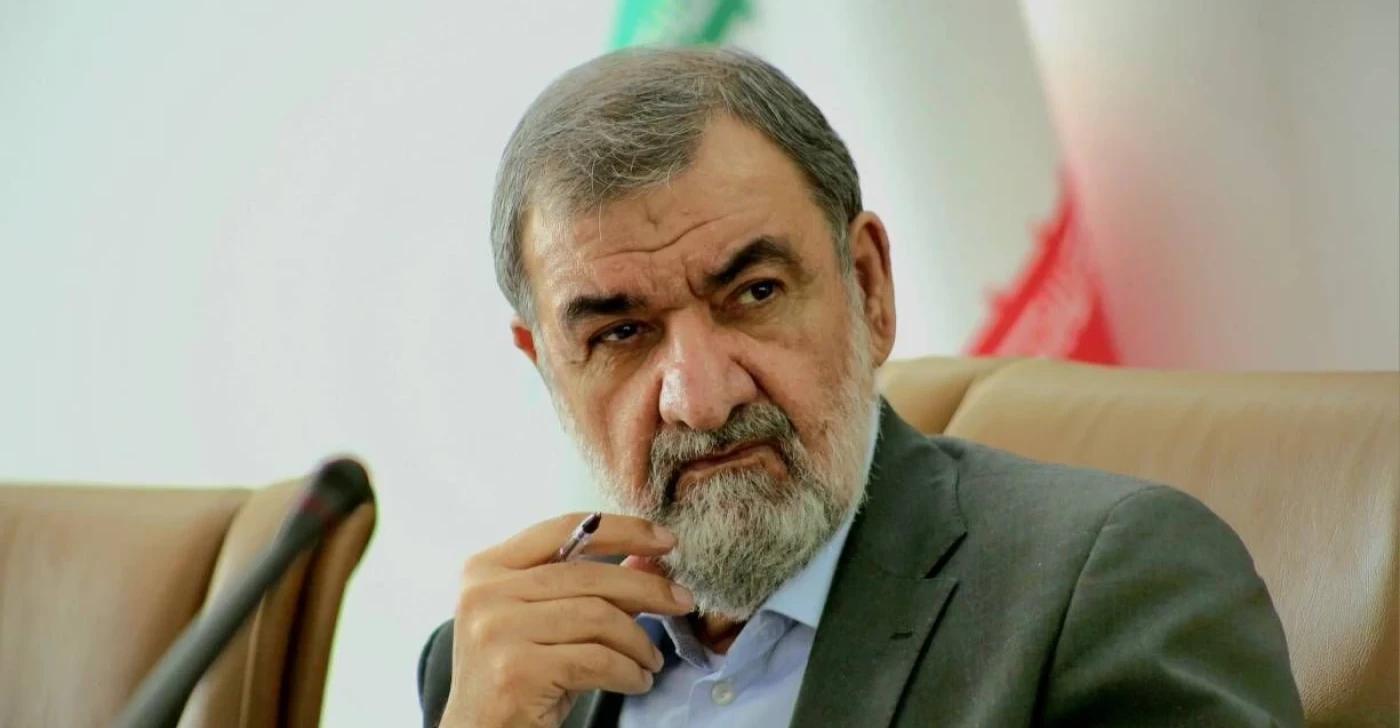
The agreement was signed in Makkah at the al-Safa palace, where Crown Prince Mohammed bin Salman, Turkish President Recep Tayyip Erdogan, and Pakistani Prime Minister Shehbaz Sharif stood side by side, according to Ynetnews.

Khawaja Asif, Pakistan’s Defense Minister, told Pakistan media that there should be “a united military front” against Israel, which he described as a “threat to the entire Muslim world.”

Threats and denials

Turkiye’s Foreign Minister Hakan Fidan insisted the trilateral pact is not directed at Iran, telling Turkey’s state-run Anadolu agency that “There is no common threat that we have put in writing.”

Fidan also described the commitment as “technically” similar to NATO’s Article 5, while saying the response would depend on circumstances and that a country under attack would have to request assistance and specify what kind of support it needed.

Image from Al-Jazirah Net
Al-Jazirah NetAl-Jazirah Net

In Israel’s framing of the pact, Guzansky said he was “worried because the Turks and Pakistanis have a really anti-Israel stance that might affect Saudi Arabia,” adding, “I’m hoping that Saudi Arabia will affect them, but it would perhaps be too naive to think so.”

The Jerusalem Post also reported that Guzansky warned the pact “doesn’t look good” for Israel, especially given Doha’s propaganda capabilities with Al Jazeera.

Pakistan’s Foreign Minister Ishaq Dar said on Sunday that the agreement is “purely defensive” and that other countries could join if they are willing to respect its principles and resolve their differences through peaceful means.

Open-ended consequences

Pakistan’s Foreign Minister Ishaq Dar said the Mecca Agreement “does not annul or replace any of the existing bilateral or multilateral agreements between these countries,” while also stating it remains open to other regional nations.

“does not annul or replace any of the existing bilateral or multilateral agreements

La RazónLa Razón

The Jerusalem Post reported that Guzansky said Saudi Arabia joined the pact to gain leverage and options as “trust in Washington is waning in the region,” framing the move as “This is hedging.”

Ynetnews argued that the pact is “not an aggressive super-axis poised for conquest,” and said the Mecca pact lacks “a joint command structure, an integrated air defense network, standard operational protocols, or shared logistics bases.”

Al Jazeera reported that Fidan said the alliance will establish political and military committees, bringing together foreign and defence ministers and military chiefs, as well as a secretariat in Saudi Arabia.

La Razón added that Abdullah Khan, a defense analyst based in Islamabad, warned against treating the agreement as an equivalent of NATO despite its collective defense clause, saying it “should not be interpreted as a pact aimed at Iran or at any other country.”
NewsCord Digest

Get every Global Politics story like this one, in one email

Daily or weekly, only the topics you follow, each with the difference our analysis found across the outlets covering it.

Set up your digest

More on Global Politics