Asia22 May, 20263 min read
Seoul Economic TV Apologizes After Lee Jae Myung Condemns Fake Anti-China Report
This article is an automated aggregation of coverage from news outlets. Our editorials offer in-depth analysis curated by the NewsCord team.
Report claimed 944 Chinese buyers bought Gangnam apartments; claim was false. Lee Jae-myung condemned fake report; Seoul Economic TV apologized publicly.

Apology After Fake Report
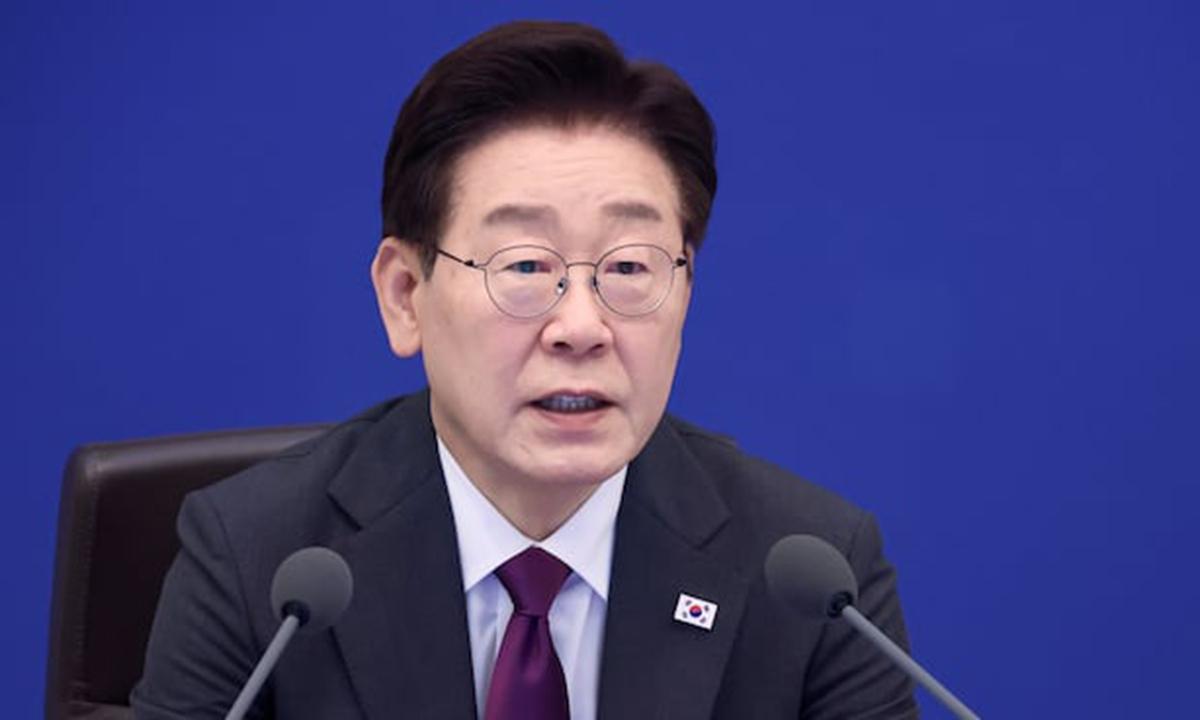
Seoul Economic TV issued a public apology in the name of all its employees after South Korean President Lee Jae Myung condemned a program as fake and anti-China, saying it was "deliberately fabricated fake news" intended to "incite anti-China sentiment." The broadcaster had previously aired a report claiming that Chinese people snapped up 944 apartments in Seoul's Gangnam District, sweeping the market inventory, before Lee wrote that official verification showed only five Chinese nationals had purchased apartment units in Gangnam between January and April this year. In its apology statement, Seoul Economic TV said the production team had placed excessive emphasis on ratings and public attention, while shortcomings in its internal review mechanism failed to filter out false content effectively.
The station said it "sincerely apologizes for the discomfort and confusion caused to many people" and removed the false report from its platforms. Lee also criticized the broadcaster during a cabinet meeting on Wednesday, calling the report an attempt to stir up anti-China sentiment and saying those responsible should be held accountable, according to Yonhap News Agency.
Numbers, Verification, and Pushback
Lee Jae-myung said in a post on social media that official verification showed only five Chinese nationals had purchased apartment units in Gangnam between January and April this year, contradicting the earlier claim of 944 apartments. The apology followed Seoul Economic TV’s earlier report that "Chinese buyers suddenly purchased 944 apartments in Seoul's Gangnam district, sweeping up housing supply in the market," which the broadcaster later removed. Chinese Ambassador to South Korea Dai Bing reposted Lee’s remarks and urged people in South Korea to reject false information and inflammatory rhetoric, stressing that "freedom of speech is not freedom to spread rumors."
Dai Bing also said on X that a minority of Korean media outlets have fabricated and spread fake news about China to attract attention or serve unspoken political purposes, adding that some outlets apologized under pressure while others continued producing false reports. In a separate account, the Chosun일보 report said the Ministry of Land, Infrastructure and Transport refuted the earlier narrative by stating that among 592 foreign buyers who applied for ownership transfer registration for collective buildings in Seoul from January to April this year, 218 were Chinese nationals and only five Chinese nationals had purchased collective buildings in Gangnam District.
Accountability and Reporting Ethics
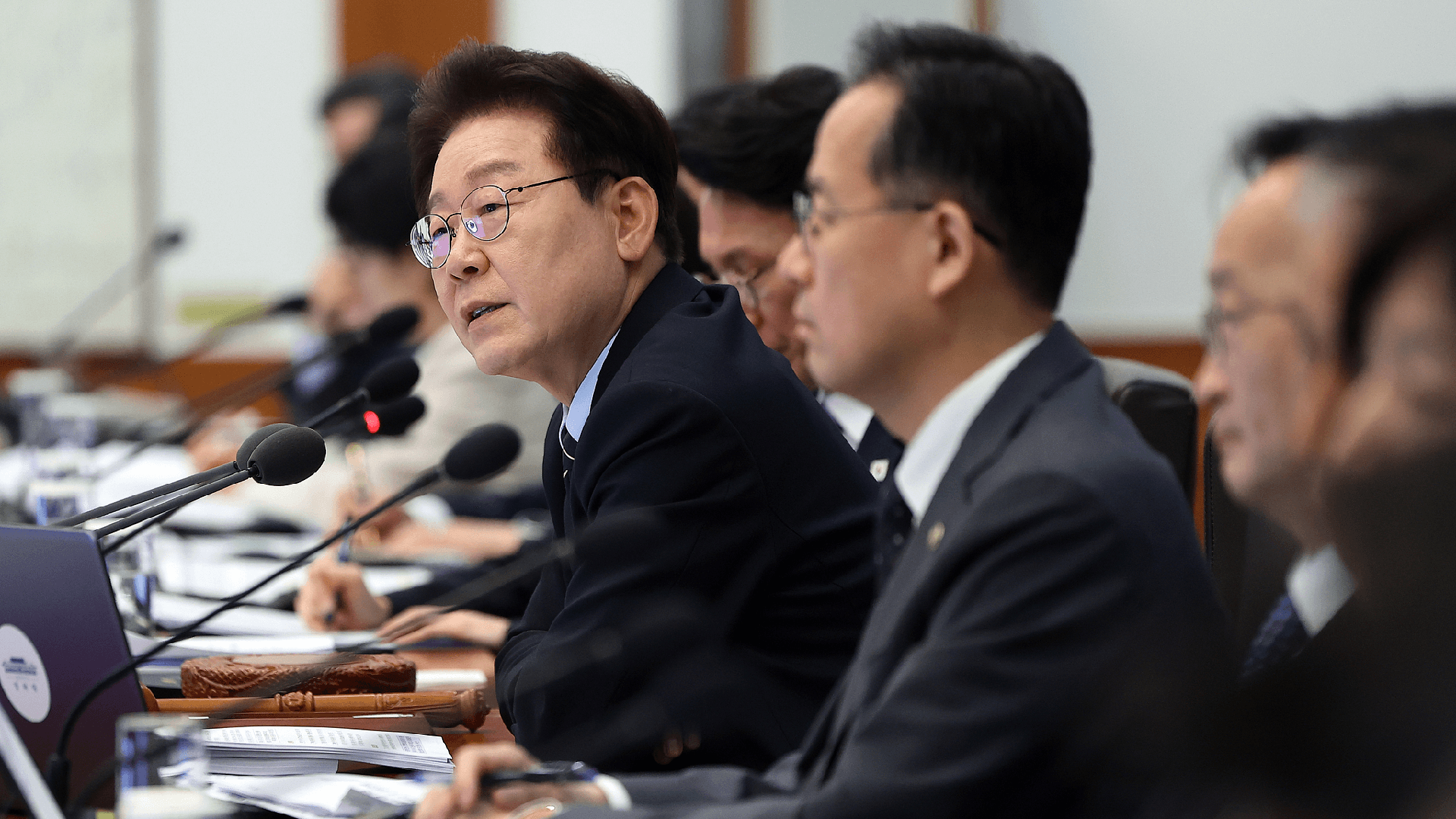
President Lee Jae Myung criticized the specific Seoul Economic TV report titled "Chinese Nationals Suddenly Buy 944 Apartments in Gangnam, Seoul. Snapping Up Multi-Homeowners' Listings," saying it was "clearly false" and calling for strict accountability.
“It has removed the false report from its platforms.”
In the same post, Lee wrote that the report was "suspected to be a deliberately fabricated fake news article intended to be used as material for anti-China agitation," and he asked how stirring up Sinophobia helps the country and its people.
The Global Times account also said Lee had ordered relevant ministries to respond firmly to similar reports on real estate policy, calling them "clear manipulation and distortion" during a State Council of South Korea meeting that also served as an Emergency Economic Review Meeting.
Chinese Ambassador Dai Bing said he expected figures from all sectors of South Korean society to discern truth from falsehood and voluntarily reject fake news, discrimination, and inflammatory public opinion to enhance friendly sentiments between the peoples of the two countries.
Seoul Economic TV’s apology acknowledged that the production team had shown poor judgment by being overly focused on views and attention, and that its internal review system had failed to adequately screen the content before publication.