USAupdated 54m ago2 min read
Archive photo · 10 March 2025Six Citizens Sue Donald Trump Over White House Media Access Bans In New York Federal Court
“a new and crucial third party has emerged: citizens who watch and read the news”
“A group of scholars, journalists and press advocates sued President Donald Trump”
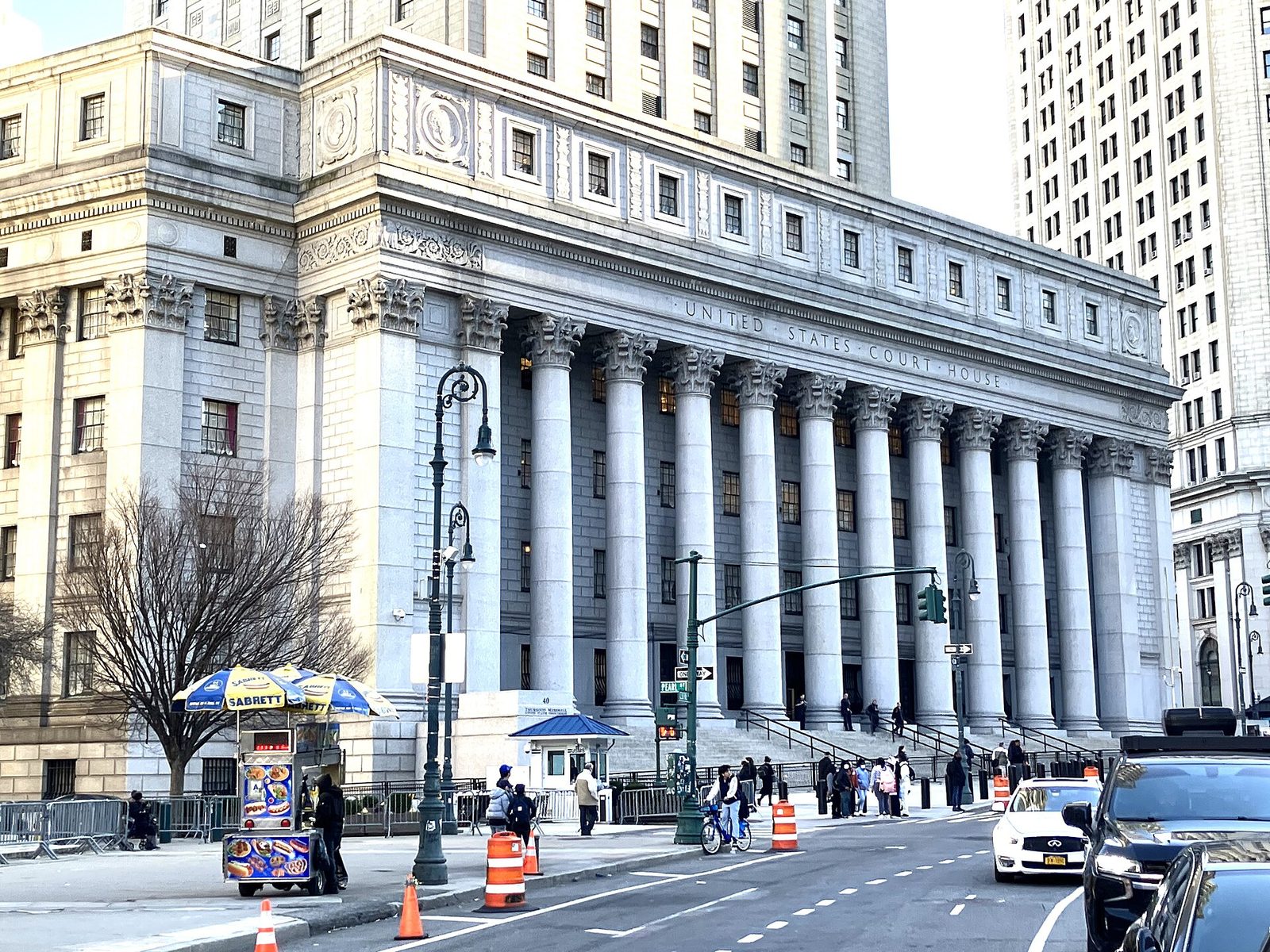
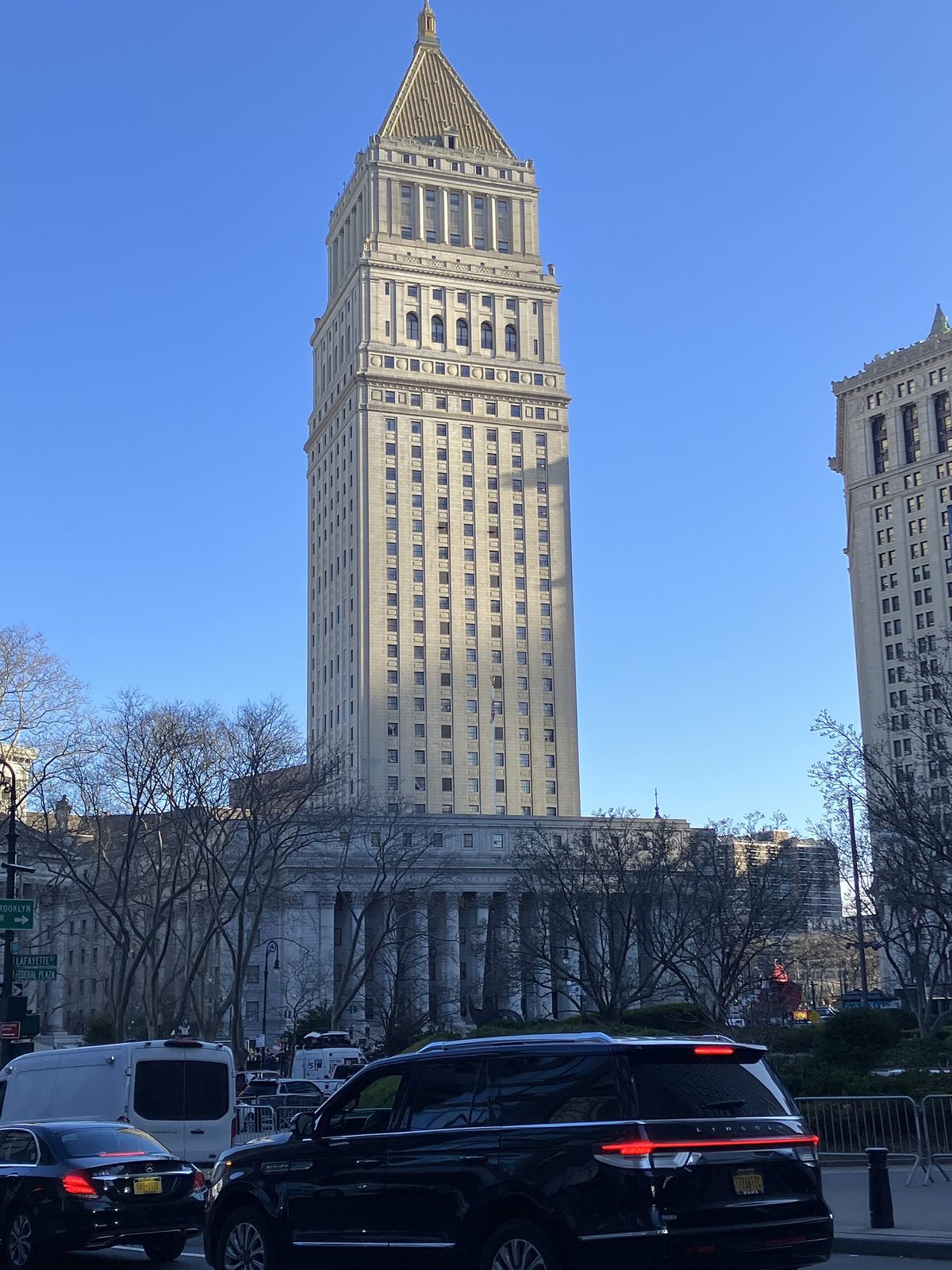
Photo: Bmzuckerman, CC BY 4.0 · Cropped for layout
This article is an automated aggregation of coverage from news outlets. Our editorials offer in-depth analysis curated by the NewsCord team.
Six private citizens sue Trump over White House press bans. Plaintiffs allege First Amendment violation and denial of information access.
Citizens sue in New York
Six private citizens sued President Donald Trump and White House chiefs Monday over restrictions on White House media access, and the lawsuit was filed in a federal court in New York. Peter Schmidt-Nowara, a high school social studies teacher in New York City, said in a statement, “I joined this lawsuit because my students deserve to know what’s happening in their government and to hear from a free and independent press.”
Katie Fallow, deputy litigation director at the Knight First Amendment Institute, said the White House “cannot decide what information Americans receive by punishing critical reporting.” The complaint asked a New York federal court to declare the White House’s selective media bans violate the First Amendment and to block the administration from continuing to enforce them, and it sought legal fees rather than financial damages.
First Amendment and wider relief
The lawsuit argued that the White House policy “deprives the public” of reporting and forces journalists who cover Donald Trump “to account for the possibility that a critical or ill-advised word about the president may result in their access being summarily restricted or revoked”.
The complaint also said the White House press corps qualifies as a “limited public forum” protected under the First Amendment, and it sought a federal judge’s declaration that the policy and practice of revoking reporters’ credentials and barring them from the press pool is unconstitutional.
The suit named co-defendants including White House Communications Director Steven Cheung, White House Chief of Staff Susan Wiles, and Secret Service Director Sean M. Curran, and it asked for an order enjoining the practice.
A White House official responded that “No person may demand access to the Oval Office,” and the official said media that peddle “misinformation and defamation are completely capable of reporting their manufactured stories from directly outside.”
Ongoing bans and court fights
The lawsuit described a pattern of bans that included Trump’s last month restriction on CNN, MS NOW, and Politico from attending news conferences at the White House, and it also referenced the White House’s efforts to revoke or restrict press access for other outlets. A federal judge later ordered access restored for journalists whose credentials had been revoked, and the BBC said reporters were allowed back into the White House complex while the standoff continued.
The BBC also said Trump’s administration continued to selectively bar journalists, and it noted that CNN threatened further legal action as its reporters continued to be denied access aboard Air Force One to cover the president. The lawsuit sought broader equitable relief, and The Hill reported that the complaint asked the courts to “adequately protect the right to receive independent White House reporting” and declare the policy “unconstitutional because it imposes restrictions on a limited public forum that are viewpoint-based and unreasonable.”