Crypto01 August, 20262 min read
Solana Foundation CISO Michael Coates Warns AI Deepfakes Make Crypto Scams More Convincing
This article is an automated aggregation of coverage from news outlets. Our editorials offer in-depth analysis curated by the NewsCord team.
Michael Coates is Solana Foundation's Chief Information Security Officer. AI-powered social engineering and deepfakes are crypto's primary new security threat.

AI Deepfakes Shift Scams
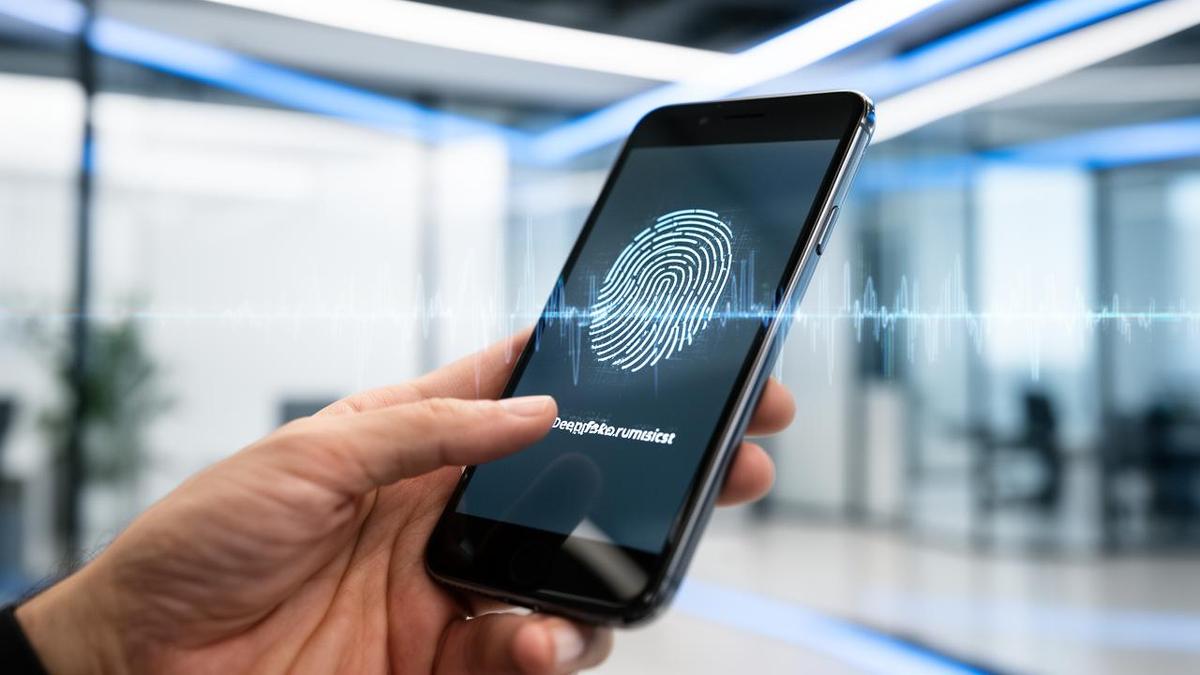
Michael Coates, the newly appointed chief information security officer at the Solana Foundation, warned that AI tools like deepfakes are helping scammers pull off more convincing crypto scams. Coates said attackers are increasingly shifting from hacking blockchains directly to tricking people through social engineering and identity fraud, including fake videos and realistic phishing attempts.
In a CoinDesk interview, Coates argued that a significant number of major security incidents in recent months originated not from smart contract vulnerabilities, but from more sophisticated breaches involving fake identities and AI-driven scams. He also emphasized that the crypto industry must prioritize building robust defenses even when vulnerabilities are exploited, highlighting the need to stay one step ahead of evolving threats.

Social Engineering, Not Protocols
Coates said the biggest security threat is rapidly shifting toward "social engineering attacks" that deceive people rather than technical vulnerabilities in smart contracts. He described how social engineering involves approaching victims to steal critical information such as private keys or seed phrases, rather than technically hacking the blockchain.
Coates warned that advances in AI and deepfakes will make social engineering attacks far more severe, and he pointed to fake phone calls that perfectly mimic the voice of someone victims know. He also said it is realistically impossible for users to perfectly distinguish every scam, concluding that "anyone can be deceived, because the fraud tactics are becoming that sophisticated".
Layered Defense and Quantum
As a solution, Coates proposed a multi-layered security framework in which multiple layers of controls activate to block harm even if someone is tricked. He said the industry must "meet users where they are" and ensure that the safest decision is made by default, rather than trying to turn users into security experts.
Looking beyond AI-enabled scams, Coates flagged quantum computing as a critical challenge and said the difficulty with quantum preparedness is that "we don't know when Q-day" will arrive. He added that the method for preparing is already known: adopting post-quantum cryptographic algorithms, and he noted that the Solana Foundation has announced its own quantum threat preparedness strategy.