Asia21 January, 20262 min read
South Korean Court Jails Former Prime Minister Han Duck-soo 23 Years for Insurrection in Failed Martial Law Self-Coup
This article is an automated aggregation of coverage from news outlets. Our editorials offer in-depth analysis curated by the NewsCord team.
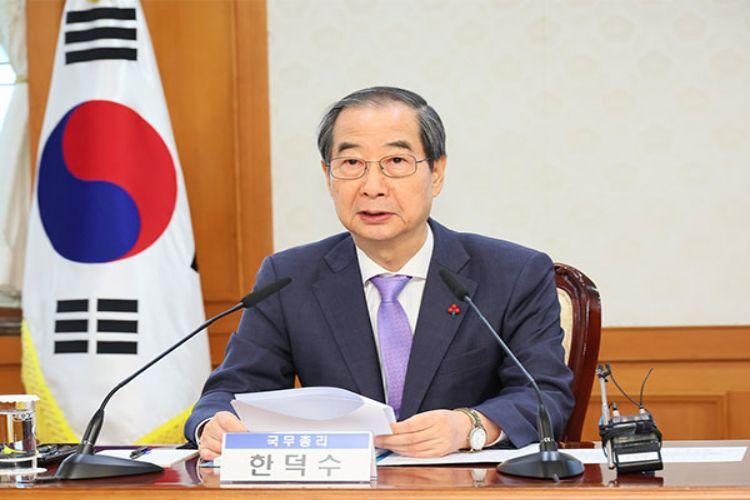
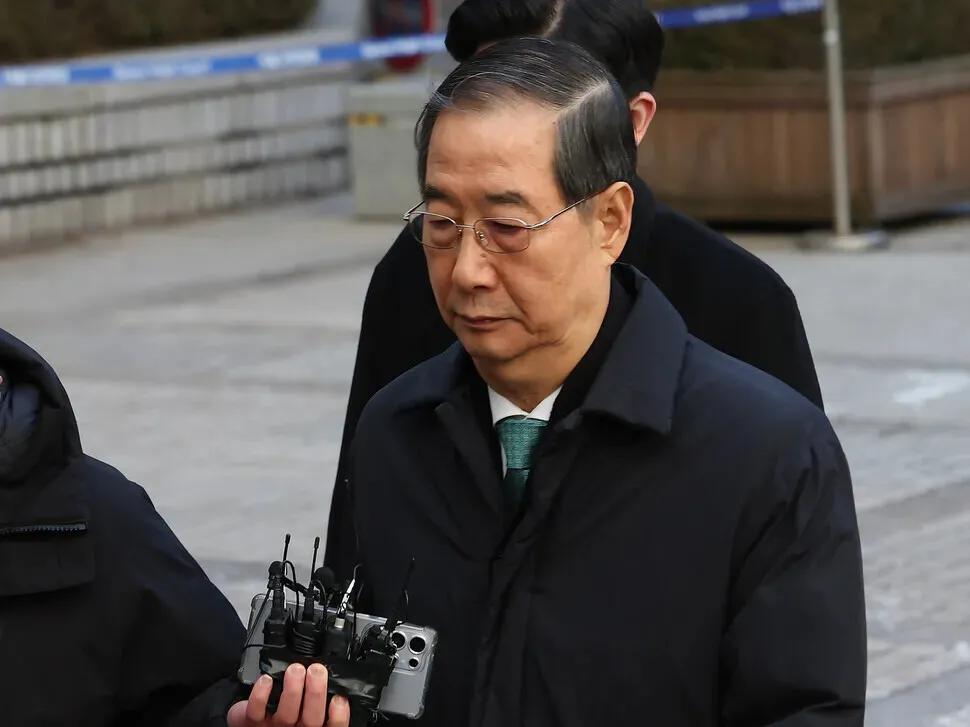
Seoul Central District Court sentenced former prime minister Han Duck-soo to 23 years' imprisonment. Court ruled Yoon Suk Yeol’s December 3, 2024 martial law declaration constituted an insurrection.
44 outlets told this the same way.
Outlets did split on Avalanche Strikes Himlung Himal Base Camp In Nepal, At Least 10 Missing →
Conviction of Han Duck-soo
A Seoul court on Jan. 21, 2026 sentenced former prime minister Han Duck-soo to 23 years in prison after finding he played a central role in the December 3, 2024 martial-law episode that judges characterized as an insurrection.
“A South Korean court has sentenced former prime minister Han Duck-soo to 23 years in prison for his role in the political turmoil caused by ex‑President Yoon Suk Yeol’s brief declaration of martial law in December 2024. ... A judge called the episode a ‘top‑down insurrection,’ saying Han—despite his democratic mandate and responsibilities—chose to ‘turn a blind eye.’”
The Seoul Central District Court ordered Han detained immediately after the verdict, marking the first lower-court conviction of a Yoon-era cabinet member and the first judicial finding that the martial-law declaration amounted to an insurrection.

The judge described the episode in stern terms, using phrases like 'top-down insurrection' and warning that Han had turned a blind eye to his democratic duties.
Several outlets cited the court's concern that Han might destroy evidence if released.
Court verdict and evidence
The court convicted Han on multiple counts. Those counts included aiding and abetting insurrection by helping manufacture the appearance of a lawful cabinet meeting that enabled the decree; falsifying or ordering destruction of a retroactive martial-law proclamation; and lying under oath. Judges cited evidence including a staged cabinet meeting, falsified documents, and perjury testimony that undercut Han's claims.
Prosecutors argued Han helped give procedural legitimacy to the decree. Some sources note the court found he had discussed steps to paralyze institutions such as the National Assembly and the National Election Commission.

Sentence, deterrence and overreach
The 23-year sentence was significantly steeper than the 15 years prosecutors had sought, a point repeatedly highlighted across reports. Judges said they imposed a harsher term partly to deter future abuses and cited the gravity of a self-coup that threatened democratic institutions. Several outlets noted it is uncommon for a court to exceed the prosecution's request, and some drew comparisons with past instances of executive overreach to justify the severity.
“The Seoul Central District Court ruled the martial law declaration amounted to an insurrection — the first judicial finding to so characterize the episode.”
Political and judicial reckoning
The verdict sits within a larger political and judicial reckoning. Former president Yoon Suk Yeol’s declaration was lifted after parliament rejected it. He was later removed from office.
Multiple Yoon-era officials face trials. Some reports say the ruling could shape outcomes in Yoon’s pending trials.

In those trials, prosecutors have sought extreme penalties, including, according to several outlets, the death penalty. The ruling also signals a broader demand for accountability over threats to democratic governance.
Legal and political consequences
Han and his camp have denied most criminal allegations while acknowledging partial perjury in testimony. Several sources report Han said he privately opposed the declaration or was in psychological shock. His lawyers have said they will appeal the sentence to higher courts.
“Han ... has maintained he privately opposed the declaration and was in psychological shock at the time.”
Judges stressed that Han, as prime minister with a constitutional duty to defend democratic procedures, failed those responsibilities. Reporters across source types highlighted that contrast and noted potential ripple effects for other defendants and for public confidence in democratic safeguards.