Asia13 January, 20263 min read
South Korean Prosecutors Seek Death Penalty for Yoon Suk Yeol Over Attempted Self-Coup
Special prosecutors requested the death penalty for Yoon Suk Yeol He allegedly led an insurrection by declaring martial law and deploying troops in December 2024

15 outlets told this the same way.
Outlets did split on Avalanche Strikes Himlung Himal Base Camp In Nepal, At Least 10 Missing →
Alleged coup and trial
Prosecutors in South Korea have asked the Seoul court to sentence former president Yoon Suk Yeol to death over his short-lived December 3, 2024 martial-law decree. They accuse him of being the "ringleader of an insurrection" and of mounting a "self-coup" that plunged the country into political chaos and led to his impeachment and removal from office. Multiple outlets report prosecutors framed the decree as an attempt to seize or retain power.
“South Korean special prosecutors have asked the Seoul Central District Court to sentence ousted President Yoon Suk Yeol to death for his failed December 2024 attempt to impose martial law.”
Al Jazeera described the move as a "self-coup" that threatened the "liberal democratic constitutional order," while BBC and okaynews reported prosecutors called Yoon the "ringleader of an insurrection." RBC-Ukraine and the-star.co.ke likewise reported prosecutors labeled the act an "attempted rebellion" and said they formally asked for the death penalty at closing arguments.
Allegations and denials
Prosecutors presented testimony and documentary evidence they say indicate violent intent. Several outlets report a military commander testified that Yoon ordered arrests of lawmakers.
A planner’s memo reportedly referred to "disposing" or "getting rid" of hundreds of people, including journalists, activists and politicians, according to BBC, okaynews and Бабель. Yoon denies wrongdoing, saying the decree was a symbolic protest or a desperate, peaceful move to expose opposition corruption or obstruction, a claim quoted by South China Morning Post and BBC.
Sentencing and moratorium
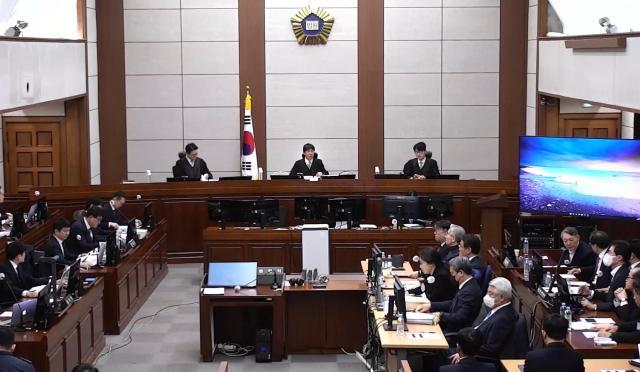
Under South Korean law, the leading-insurrection charge carries either death or life imprisonment, and prosecutors were required to request one of those sentences, urging the death penalty and arguing there are no mitigating circumstances. However, nearly every source notes the practical context: South Korea has not carried out executions since 1997, and experts and reporting across outlets say courts are likely to impose life imprisonment rather than actually execute a convicted former president. South China Morning Post, bgnes and Al Jazeera explicitly note the country's unofficial moratorium on executions and suggest the death penalty is unlikely to be carried out despite the prosecutors' request.
“Under South Korean law the leading-insurrection charge carries either death or life imprisonment, and prosecutors were required to request one of those sentences; they urged the death penalty.”
Trial developments and charges
The trial has been joined with cases against former Defence Minister Kim Yong-hyun and ex-police chief Cho Ji-ho, and prosecutors have sought heavy sentences for those figures; reporting details and timetables vary.
BBC and bgnes report prosecutors seek life for Kim and 20 years for Cho, and note parallel charges such as obstruction of justice for Yoon with separate hearings expected.
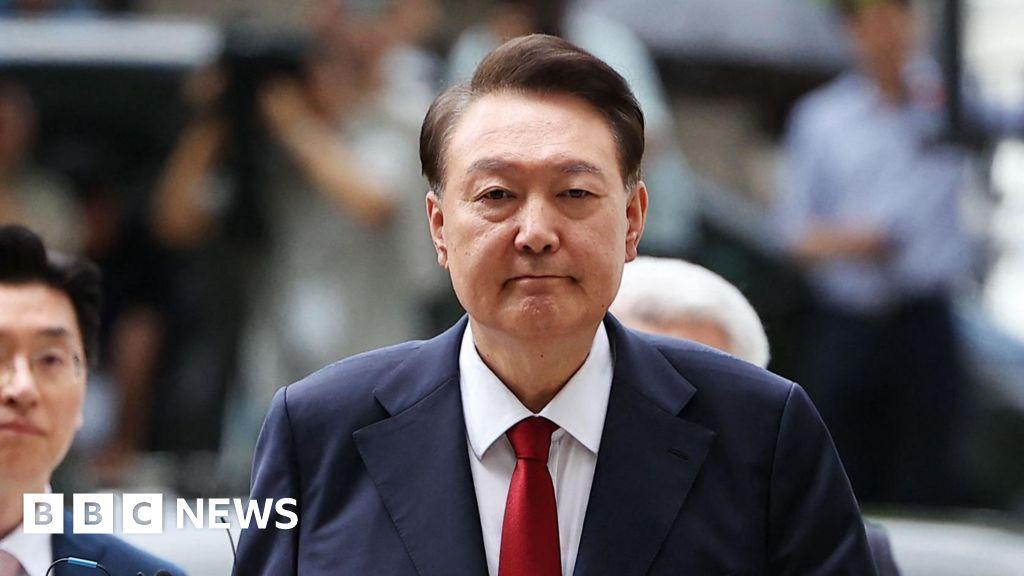
Al Jazeera and the South China Morning Post say closing arguments have concluded and a verdict is expected in February.
Бабель reports Yoon was arrested on Jan. 15, 2025 and faces additional charges, including sedition and aiding an enemy state.
Media framing differences
Coverage of the case shows clear source-type differences in emphasis and tone. West Asian reporting (Al Jazeera) frames the event as an existential threat to democratic order, describing a "self-coup". Western mainstream outlets (BBC, South China Morning Post, bgnes) emphasise the legal process, required sentencing requests, and the historical moratorium on executions.
“South Korean special prosecutors have asked the Seoul Central District Court to sentence ousted President Yoon Suk Yeol to death for his failed December 2024 attempt to impose martial law. Prosecutors, led by Cho Eun-suk’s team, accused Yoon of mounting a ‘self-coup’ that threatened the ‘liberal democratic constitutional order’.”
Regional and other outlets (okaynews, RBC-Ukraine, Бабель, the-star.co.ke) include vivid details from prosecutors' presentations, such as memos about "disposal" or "getting rid" of hundreds, and political claims including Yoon's allegations that opposition MPs sympathised with North Korea. Those variations reflect differing editorial choices about whether to foreground constitutional threat, courtroom procedure, or dramatic evidence presented by prosecutors.