Technology and Science · updated 1h ago · 3 min read
Stanford Researchers Transplant Human Cortical Organoids Into Cerebral Cortex-Lacking Mice
Stanford researchers graft human cortical organoids into mice lacking most of the cerebral cortex. The transplanted organoids survive, mature, and form functional connections with mouse neural circuits.
11 outlets, one story, no spin found.
1 of 2 outlets skipped it: ars focuses on organoid limitations vs this mouse approach..
11outlets compared
Human neurons in mice
Researchers led by Stanford University transplanted lab-grown human cortical organoids into genetically modified mice that were engineered to lack almost all of their cerebral cortex, creating xenocortical mice in which the human tissue survived, grew, and formed functional connections with the rodents’ brains and spinal cords.
“The human tissue not only survived but also grew and formed functional connections with the rodents’ brains and spinal cords.”
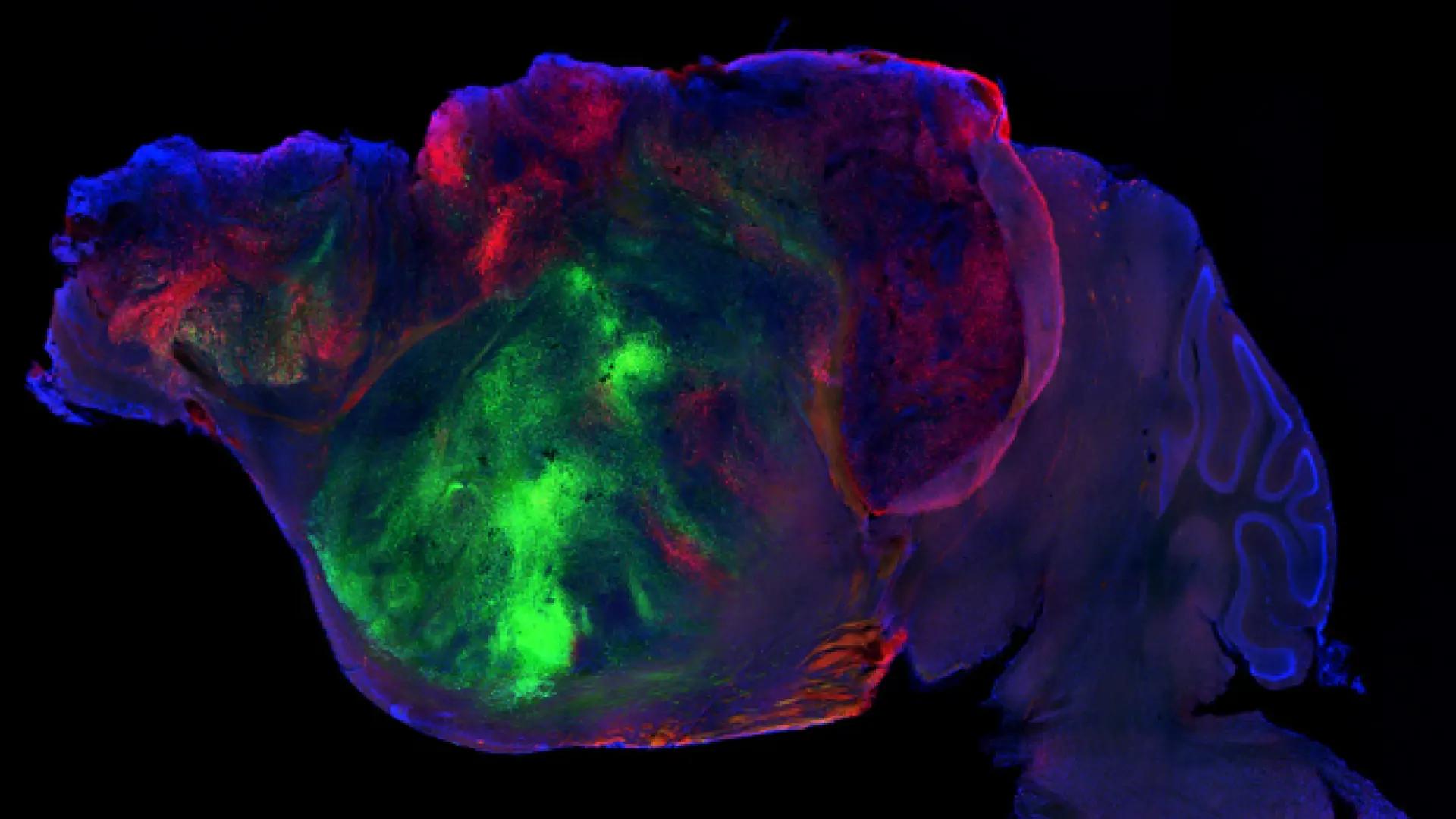
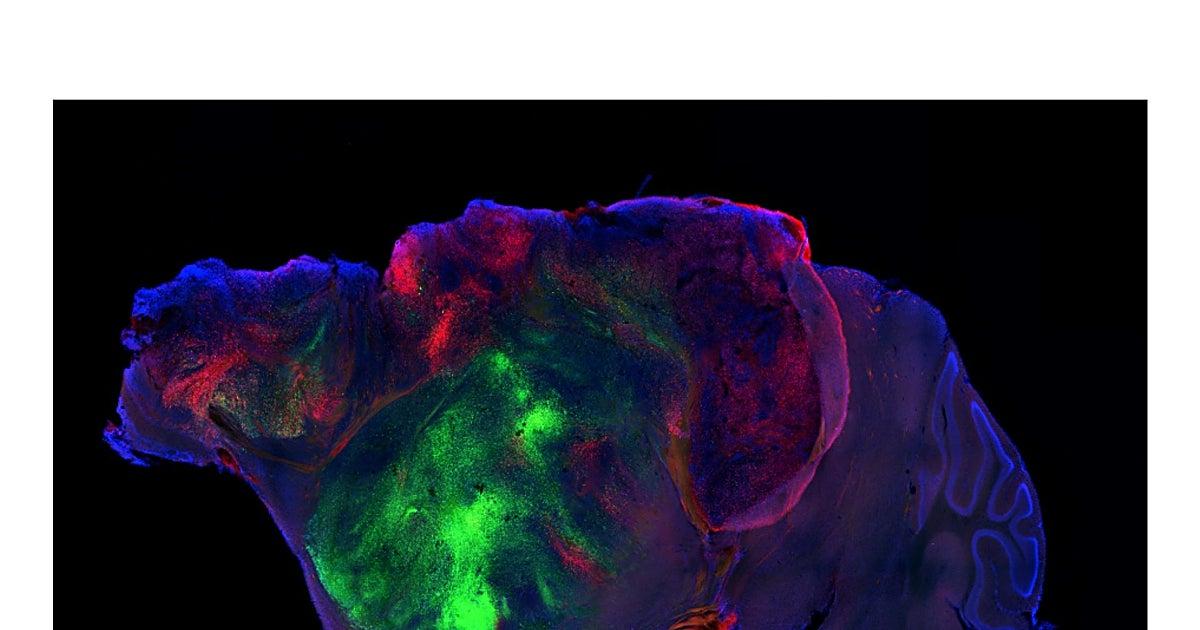
In the Nature study, the team surgically placed organoids into the enlarged, fluid-filled brain cavities of two-day-old apallial mice, and the human cells divided and grew over the following weeks and months to occupy much of the available space.
The experiment was designed to avoid the competition seen in earlier work, after Pașca said that when human cells were dropped into normally developing mice, “By the time the human cells managed to extend a few millimeters, mice cells had already formed most of the connections, and brain development closed.”
ABC reported that the researchers said the goal was not to create an animal with human abilities, while Ars Technica described the approach as replacing a large portion of the mouse brain with human brain organoid cells to study organoids in a more natural context.
WGCU added that Pașca framed the work as a way to study neurodegenerative disease with models “outside of the human body,” while also saying it would provide access to aspects of human brain function that would be “very difficult to study otherwise.”
Ethics and scientific limits
The model’s scientific promise came with cautions about what it can and cannot show, with Ars Technica emphasizing that even sophisticated brain organoids “don’t form any of the connections with specialized brain structures needed to behave “normally.”
WGCU reported that outside researchers raised ethical questions about where the technique could lead, quoting Allen Institute executive vice president Hongkui Zeng saying, “going forward, there will be some considerations, if not concerns,” including implications of deploying the technique in larger and longer-living animals.
ABC said the work was supported by an external ethical committee, and it described how the researchers used human cortical organoids derived from young patients with Timothy syndrome, a genetic disease characterized by severe autism and a higher vulnerability to epilepsy and schizophrenia.
El Nacional.cat described the xenocortical approach as not creating “Human Brains,” noting that the implanted tissues remained immature and were not organized or connected in the same way as in the human brain.
Ars Technica also underscored technical constraints that remain even with the in-animal integration, pointing out that organoids still lack a circulatory system and immune cells moving through them, which it said is especially limiting for brain studies that depend on long-range connections.
Disease modeling stakes
Multiple outlets tied the xenocortical model to neurological disease research, with ABC saying the experiment may open a new avenue in understanding currently incurable neurological diseases such as schizophrenia, epilepsy, profound autism, and cerebral palsy.
“may open a new avenue in understanding currently incurable neurological diseases such as schizophrenia, epilepsy, profound autism, and cerebral palsy.”
WGCU described how the altered mice were better at memory tasks and interacting with other mice, and it said Pașca pointed to problems walking properly after oxygen deprivation as a sign the model could be used for conditions linked to low oxygen.
Al Jazeera’s coverage of the same broader theme of ethical oversight is not present here, but El Nacional.cat and 20Minutos both emphasized hypoxia as a proof-of-concept, with El Nacional.cat stating that researchers subjected the animals to five hours of oxygen deprivation and observed damage to the implanted human cortical tissue.
20Minutos reported that the researchers said the model is “not a universal system” that will replace others like human stem-cell systems, but it would be useful for features that are difficult to reproduce in other systems.
El País added that Pasca argued the animals allow study of “features of the human brain that until now were inaccessible,” and it described the long-term aim of generating a mouse with a cerebral cortex made from the neurons of each patient.