Europeupdated 2h ago2 min read
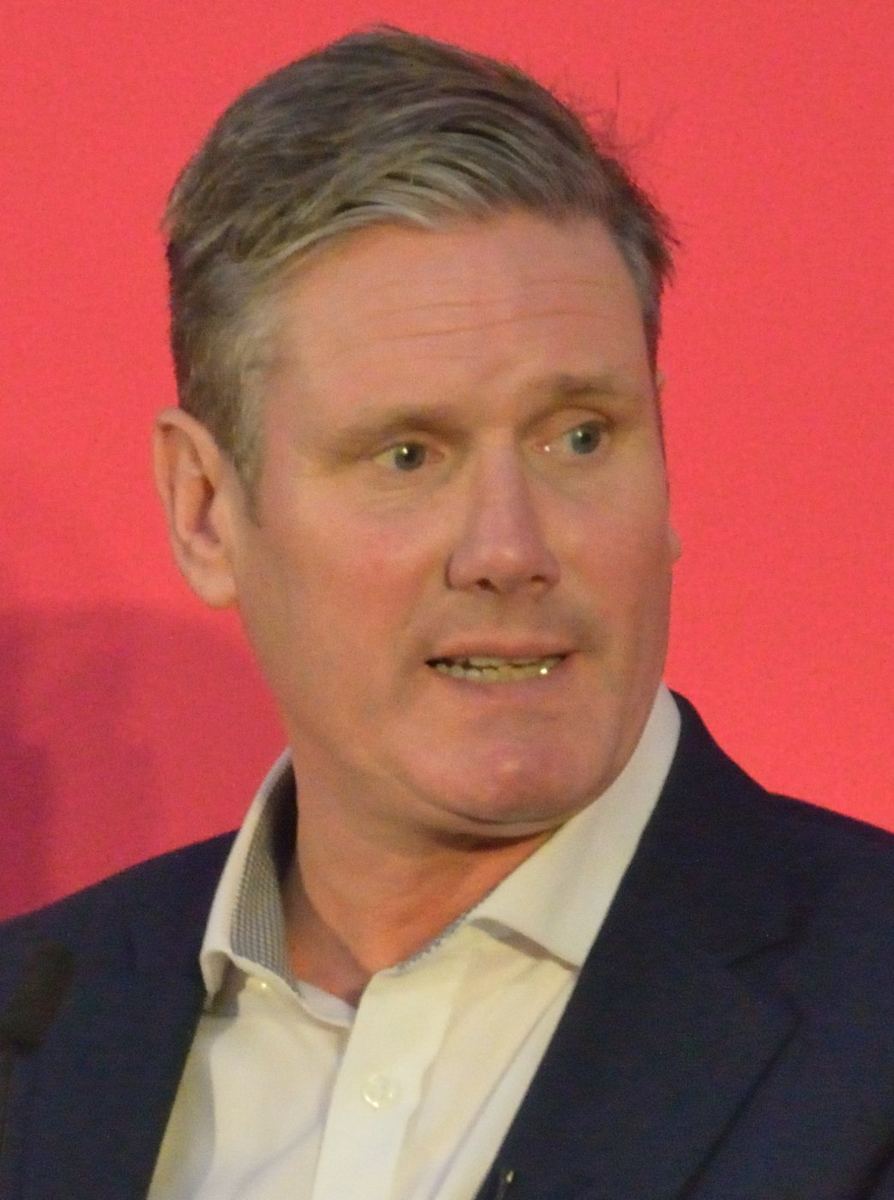
Archive photo · 1 February 2020Starmer Tells Dublin Europe Can No Longer Rely on US To Bankroll Defence
3 Western Mainstream2 Other1 Local WesternPhoto: Rwendland, CC BY-SA 4.0 · Cropped for layout
This article is an automated aggregation of coverage from news outlets. Our editorials offer in-depth analysis curated by the NewsCord team.
Europe must stop relying on US to bankroll its defence, Starmer says He calls for a common European security framework to protect against shifting transatlantic commitments
Save coverage image
6 outlets told this the same way.
Starmer’s warning in Dublin
Sir Keir Starmer told a British Irish Chamber of Commerce dinner at Dublin City Hall that Europe can no longer rely on the United States to bankroll its defence, saying the shift is "permanent, not an aberration of the Trump presidency." Starmer argued Europe needs a "common security framework as much as a common market," and he said the UK should be at the centre of that effort. Starmer warned that Europe has "twice been caught asleep," first when Russia’s attack on Ukraine exposed European weaknesses on defence and security, and again when President Trump made clear the US would no longer bankroll European security.
Starmer said the change means "things will not go back to the way they were before," while insisting the US relationship remains important because the military, security and intelligence alliance is "far too strong" to be dismissed. Starmer also said the EU cannot be "the EU alone" for Europe’s defence because Europe’s periphery is core to its defence.
Transatlantic strain and quotes
Starmer told the crowd in Dublin City Hall that his comments did not mean the US relationship is no longer important, and he said the UK-USA military, security and intelligence alliance is "far too strong for that." Starmer framed his intervention as a response to "a permanent change of affairs, not an aberration of the Trump presidency," and he said Europe must be enabled to take on far more responsibility for its own defence and security. The BBC reported that Starmer said increased defence spending was part of the picture, but he argued the challenge "goes far beyond that."
Starmer’s remarks came as the sources described a strained transatlantic relationship in Number 10, including Trump mocking him as being "no Winston Churchill" over the refusal to permit the use of UK bases for the initial US-Israel strikes on Iran. Starmer confirmed that Trump had wished him well as he prepared to leave Downing Street, saying "Yes he did, and we're going to stay in touch."
What Europe’s defence future hinges on
The Council on Foreign Relations said Europe’s defence dilemma is shaped by the United States lessening its military support, forcing Europeans to adapt the continent’s defence frameworks and architecture. The Council on Foreign Relations laid out three models for Europe’s future defence architecture, including a more European NATO, a European defense union, and a European defense coalition. The Council on Foreign Relations said a European defense coalition offers the greatest flexibility, but it warned that the lack of centralized planning and decision-making architecture could prove costly in times of crisis.
The Council on Foreign Relations said Russia would remain the main source of European insecurity in the years ahead, with or without a ceasefire in Ukraine. The Council on Foreign Relations concluded that no single model offers a complete solution and said some combination of the three is the likeliest outcome, while emphasizing that leaders should focus on defense investment, capability development, and defence industrial expansion.