Technology and Scienceupdated 7m ago2 min read
Archive photo · 30 June 2023Study Projects Ozempic and Mounjaro Could Cut Deaths and Free Farmland by 2050
3 Western Mainstream2 Western AlternativePhoto: HualinXMN, CC BY-SA 4.0 · Cropped for layout
This article is an automated aggregation of coverage from news outlets. Our editorials offer in-depth analysis curated by the NewsCord team.
Weight-loss drugs could reduce deaths and ease pressure on agricultural land by 2050. Could transform global food system and free up vast areas of agricultural land.
Save coverage image
GLP-1 and food systems
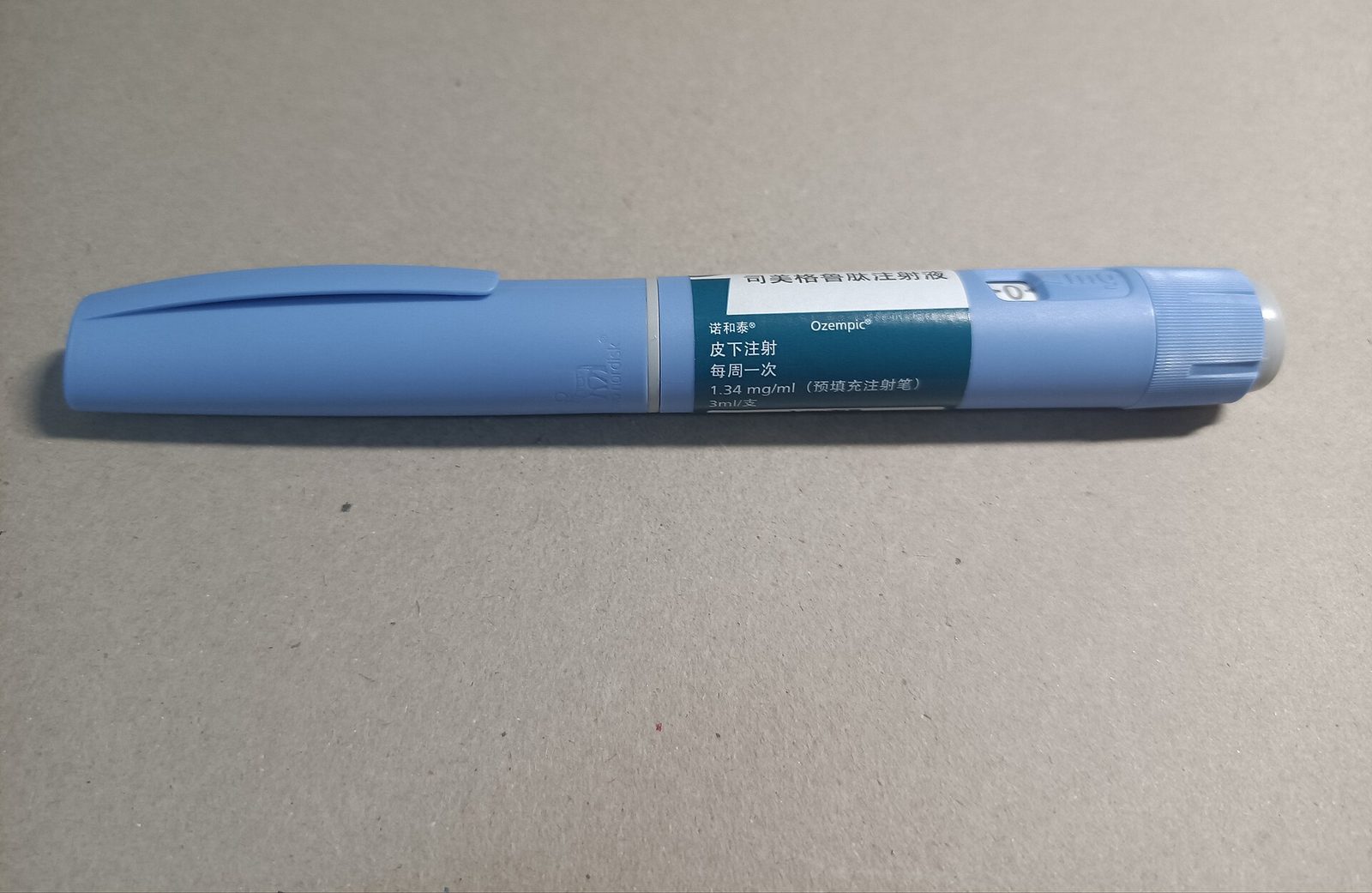
A new study led by Dr Roslyn Henry from the University of Aberdeen, and published in Nature Communications, examined how widespread uptake of GLP-1 medications such as Ozempic and Mounjaro for obesity could affect global food demand, food prices, international trade, agricultural land use and mortality together. The Nature Communications model projected that, compared with a Reference scenario, GLP-1-mediated calorie reduction alone could result in up to 6.6 million avoided deaths globally in 2050 and 32 Mha more natural land area.
The same Nature Communications analysis projected that combining GLP-1 use with shifts towards the EAT–Lancet diet could increase the estimates to 7.7 million avoided deaths and 46 Mha more natural land. The study also projected that lower food prices could increase food consumption among untreated populations, including unhealthy foods, partially offsetting these gains.
Double benefit scenarios
The University of Aberdeen research team, working with the University of Edinburgh and Scotland’s Rural College (SRUC), described its most ambitious scenarios as linking widespread GLP-1 use to up to 6.6 million fewer deaths globally in 2050 and around 32 million hectares more land outside agriculture and managed forestry. The same scenarios, when treatment was accompanied by healthier diets, increased the potential benefits to 7.7 million fewer deaths and around 46 million hectares more land, according to the study’s summary.
Dr Roslyn Henry said, "Our findings suggest that these changes in food consumption could have consequences that extend beyond the individuals receiving treatment," and she added that the results should not be interpreted as placing environmental responsibility on people living with obesity. Professor Peter Alexander said, "What we eat has consequences that extend beyond our own health," and he tied those consequences to what farmers produce, what countries trade and how much land is needed for agriculture.
Policy and access stakes
The Nature Communications article framed obesity as a non-communicable disease requiring management strategies at both societal and individual levels, and it stated that global obesity prevalence has nearly tripled since 1975. The Nature Communications article said that medications for obesity currently have limited global uptake because the drugs are not yet accessible in all countries, and it noted that the WHO issued its first recommendation supporting GLP-1 therapies for the treatment of obesity in December 2025.
The Nature Communications article also reported that uptake has already risen in high-income countries, including "approximately 12% of the US adult population" reporting using them as of November 2025 and "approximately 2.9% of adults in the UK" reporting using medication for obesity to support weight loss in 2025. The Nature Communications article warned that any food-system effects could ripple through untreated populations through changes in food demand, and it described its projections as applying a global food system model to project impacts of GLP-1 uptake to 2050 under two scenarios.