Syria · updated 1h ago · 3 min read
Syria Raises Fuel Prices 25% to 40% After Global Cost Surge, Ministry Says
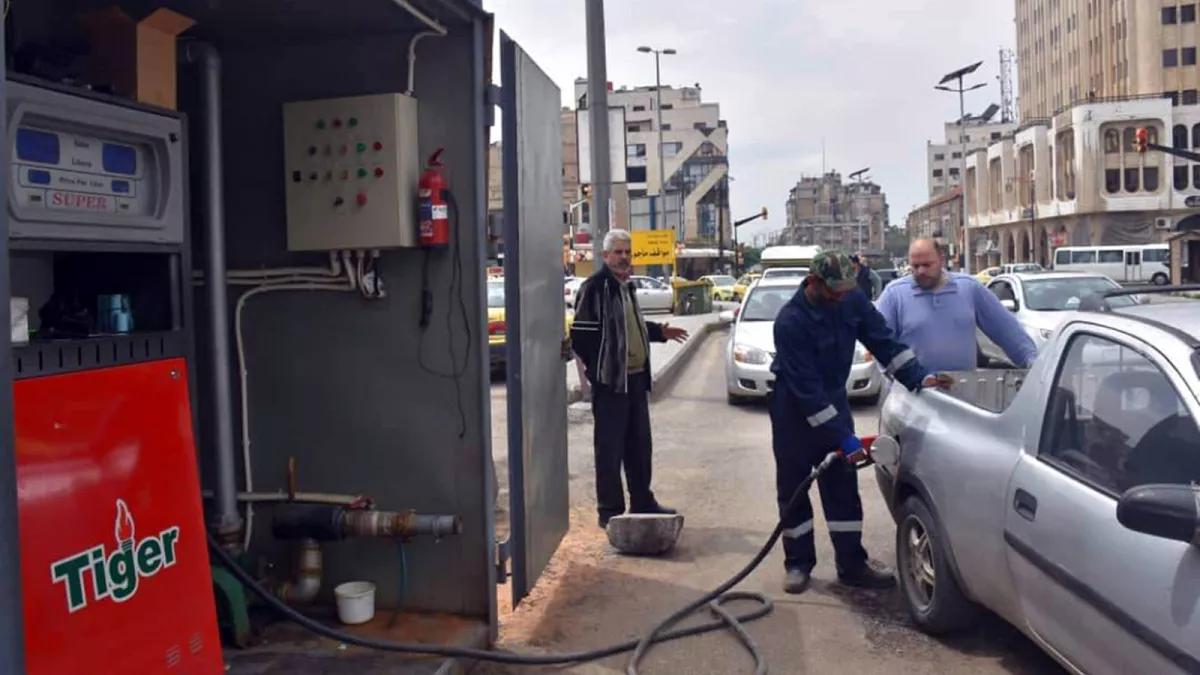
Prices for diesel up 40% to 175 lira amid global costs and Banias refinery maintenance Gasoline prices rise 25-40% across derivatives, effective midnight; temporary measure
Whether live ammunition was used against protesters.
2 of 3 outlets skipped it: protests spread with road blockages and attempted self-immolation.
16outlets compared
Same story, two versions
tap a side to read it in full
i24NEWS
“security forces affiliated with the Ministry of Interior fired live ammunition”Read the original ↗
سانا
“a major overhaul at Baniyas Refinery increase the country’s reliance on imports”Read the original ↗
i24NEWS emphasises live ammunition during protests while ANHA does not mention it. Most outlets still tie the hike to Baniyas refinery works.
Fuel prices jump
Syria’s Ministry of Oil announced that prices of petroleum derivatives would rise by between 25% and 40%, attributing the increase to an exceptional rise in the global cost of securing derivatives alongside the operating period of the Baniyas refinery, and saying the adjustment is temporary.
“prices of petroleum derivatives in the country would rise by between 25% and 40%”
The Standing Committee for Determining Prices of Petroleum Products and Mineral Resources set new prices effective from Sunday, including 95 octane gasoline at 195 Syrian pounds per liter and diesel at 175 pounds, up from 152 pounds and 125 pounds respectively as of yesterday.

SANA said the new rates took effect at 00:00 on September 13 and that the Ministry of Energy framed the adjustment as temporary and aimed at ensuring continuity of supply in the local market.
SANA also said the comprehensive maintenance of the Banias refinery on the Syrian Mediterranean coast was expected to last about two months, reducing national refining capacity and forcing a temporary increase in imports of finished products.
The Ministry of Energy estimated Syria’s daily need for oil and products at about 300,000 barrels per day versus domestic crude oil production of around 100,000 barrels per day, requiring part of demand to be met via imports.
Protests and road blockades
After the new prices came into effect, protests and road closures spread across eastern Syria, with the Syrian Ministry of Energy saying the adjustment is “temporary” and tied to an extraordinary rise in the cost of securing oil derivatives from global markets.
Annahar reported protests in Deir ez-Zor, Hasakeh, and Raqqa, including burning tires in front of the municipality building in Tal Abyad and road blockades in the 47 area, where videos showed protesters blocking the road in front of oil-truck tankers on the M4 road.

Al-Talfaz Al-Arabi said four Syrian provinces—Al-Hasakah, Raqqa, Deir Ezzor, and Aleppo—witnessed popular protests, with residents calling on the government to roll back the fuel price hikes.
Al-Talfaz Al-Arabi described protesters preventing oil tankers from passing and said a video showed protesters blocking oil tankers in the town of al-Karama in the eastern countryside of Raqqa as they were en route to the refineries in Homs and Banias.
i24NEWS reported that security forces fired live ammunition while attempting to disperse demonstrators, and it cited the Syrian Observatory for Human Rights on clashes in Raqqa, Hasakah, and Deir ez-Zor.I
Economic pressure and stakes
Economic experts warned that the decision would worsen living pressures on millions of Syrians, with Dr. Ziad Arbash saying it was the first time that prices of both gasoline and diesel had risen in substantial proportions—gasoline rose by 25% and diesel by 40%.
“gasoline rose by 25% and diesel by 40%”
Arbash told Syria Now that energy derivatives enter the transport sector and industrial and agricultural production, predicting a fundamental impact of the increase on rising living costs, inflation, and the depreciation of the lira.
ANF framed the hike as a new burden on the poor, saying diesel rose by forty percent to 175 lira and that the increases were presented as “temporary” while repercussions “do not seem temporary for households.”
SANA added that the Ministry of Energy said the adjustment aims to secure financing for new shipments and prevent cost increases from affecting fuel availability, and it noted that in 2026 the Syrian Electricity Company owed about $1.7 billion to the Syrian Petroleum Company for gas supplies and other energy resources.
Minṣat ta'akkud quoted Abdul Hamid Slat, director of the Media Department at the Ministry of Energy, saying the price adjustment came as a result of “exceptional conditions and temporary variables” in global energy markets and that prices are subject to upward and downward revisions according to changing costs and conditions.