Syria22 August, 20263 min read
Syrian Authorities Prepare for Euphrates Rise After Turkey Inflow Reaches 1,200 Cubic Meters Per Second
This article is an automated aggregation of coverage from news outlets. Our editorials offer in-depth analysis curated by the NewsCord team.
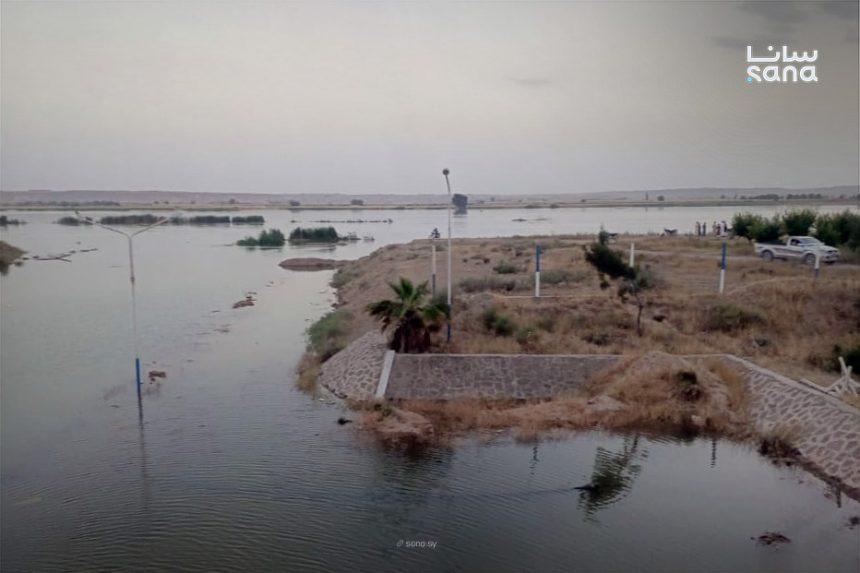
Inflow from Turkey is driving rising Euphrates water levels in northeast Syria. Syrian authorities implement precautionary measures and mobilize emergency preparedness for flood risk.
4 outlets told this the same way.
Outlets did split on Asad Al-Shaibani Meets Saddam Haftar in Benghazi Over Syrian Consulate And Missing Syrians →
Euphrates rise preparations
Syrian authorities announced operational and precautionary measures to confront an anticipated rise in the Euphrates River’s water levels and flow speed in the northeast of the country, citing continued large inflows from the Turkish side. Haitham Bakour, director of the General Organization for the Euphrates Dam, confirmed that "the flow of water coming from Turkey has risen to 1,200 cubic meters per second" and said reservoirs can absorb the increase but may not be able to absorb it entirely if it continues.
Bakour told Syria Now that partial opening had begun for one of the gates of the Kdiran Dam to "lower the water level of the reservoirs and keep a reserve capacity inside the dams" and said increasing discharge through Kdiran from 600 to 800 cubic meters per second is "limited and does not pose a threat to the course of the river." The Syrian Ministry of Energy urged residents in Raqqa and Deir ez-Zor, especially those living near the course, to "exercise caution and stay away from the river and its banks, and not to swim in it."

Readiness and monitoring
Syrian emergency response teams intensified early readiness measures focused on monitoring Euphrates level developments and discharge volumes, with Mohamed Diab, head of the Early Warning and Preparedness Unit at the Syrian Ministry of Emergency Situations and Disaster Management, describing low-lying areas adjacent to the Euphrates channel as priority zones. Diab told Syria Now that attention centered on "agricultural lands, islands, and banks" and that priority areas were determined based on the effects of the May flood and monitoring them on the ground.
Hytham Bakour, director of the General Foundation of the Euphrates Dam, said the rate of water outflows from the Qediran Dam had been raised to about 825 cubic meters per second and fixed for ten consecutive days to assess reflections on the river course within Raqqa and Deir Ezzor. SANA quoted Ahmad al-Abo, head of the machinery department in the Technical Services Directorate of the Raqqa Governorate, saying heavy engineering equipment was on full alert with a 24/7 guarding and operation system to face any developments.

May flood context
The current mobilization came about three months after a wide flood wave in May, when the river level rose due to large inflows from Turkey alongside local rains and the Euphrates Dam administration controlled the water level by opening three spillway gates for the first time since 1988. Syrian Energy Minister Mohammed al-Bashir said, "the Turkish report arrived late, as Turkey informed on May 22 of doubling the volumes released" after meteorological warnings, prompting immediate opening of the spillways with a warning to residents.
In the May floods, Emergency and Disaster Management Minister Riad Al-Saleh announced that the flooding resulted in "flooding about 5,000 dunams of land and damage to about 2,400 families" with no direct human losses due to the flood. Deir ez-Zor’s Emergency Response Committee head Faysal Abbas said that "about 60 water pumping stations went out of service due to the rising water levels," before teams moved pumps and secured water alternatives for residents.