Syria10 October, 20252 min read
Syria’s Foreign Minister Visits Lebanon to Rebuild Regime Ties After Assad’s Ouster
This article is an automated aggregation of coverage from news outlets. Our editorials offer in-depth analysis curated by the NewsCord team.
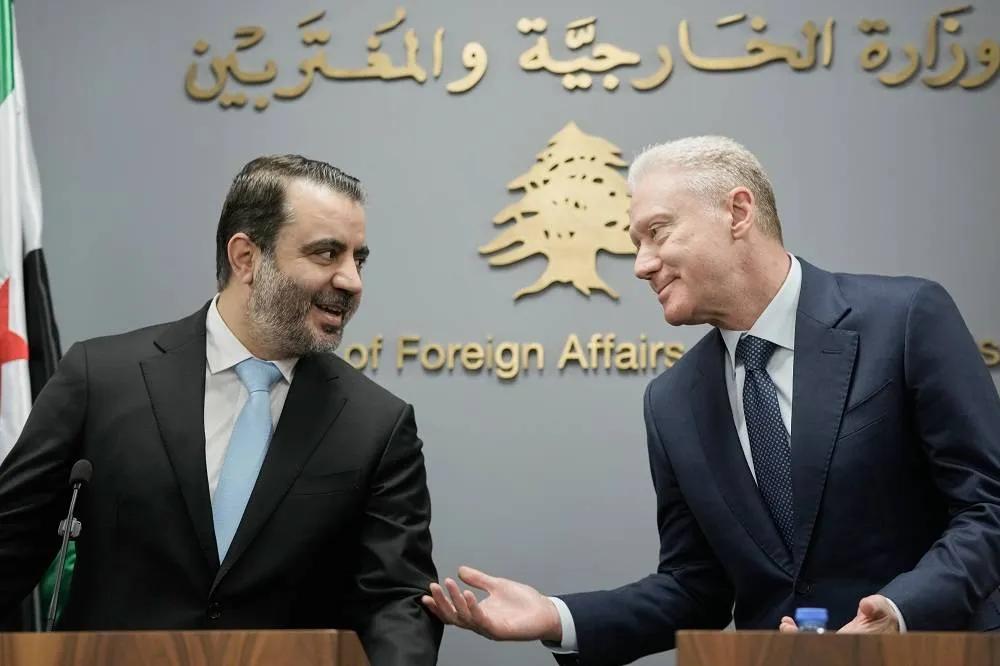
Syria’s foreign minister Asaad al-Shibani visited Beirut to restore bilateral relations. The visit marks the first high-profile Syrian diplomatic engagement with Lebanon since Assad’s ouster.

6 outlets told this the same way.
Outlets did split on Asad Al-Shaibani Meets Saddam Haftar in Benghazi Over Syrian Consulate And Missing Syrians →
Syrian-Lebanese Diplomatic Visit
Syria’s Foreign Minister Asaad al‑Shibani’s Beirut trip is described as the first major Syrian visit to Lebanon since the December 2024 ouster of Bashar al‑Assad, signaling a potential thaw after years of friction. West Asian outlet Asharq Al‑Awsat frames it as a significant move toward improving the historically tense relations. Western mainstream outlets say the visit marks the first high-profile Syrian visit and aims to rebuild ties.
“Syria's foreign minister, Asaad al-Shaibani, visited Beirut on Friday in a significant move toward improving the historically tense relations between Syria and Lebanon.”
The Independent adds that al‑Shibani publicly emphasized respect for Lebanon’s sovereignty and a desire to overcome past obstacles. The trip is presented as an effort to reaffirm close ties between the two countries. Collectively, these accounts agree on the rarity and symbolism of the visit but differ slightly in tone and emphasis on sovereignty language and the character of the thaw.

Lebanese-Syrian Security Talks
The agenda centered on detainees, security, and refugees. US News reports talks on detained Syrians in Lebanon, border security, missing Lebanese in Syria, and refugee returns. Asharq Al-Awsat quantifies detainees as around 2,000 Syrians in Lebanese prisons.
The Independent cites a smaller figure—around 800 detained without trial—and highlights the delegation’s makeup, including the justice minister, intelligence chief, and assistant interior minister. Meetings included President Joseph Aoun and Prime Minister Nawaf Salam. Asharq also lists Foreign Minister Youssef Rajji as part of the discussions.

Lebanese-Syrian Diplomatic Developments
Concrete outcomes included suspending the Lebanese‑Syrian Higher Council and shifting all dealings to formal diplomatic channels. US News adds there are plans to appoint a new Syrian ambassador and that joint committees will tackle border demarcation and energy cooperation, including a gas pipeline project with Egypt.
“Both sides agreed to suspend the largely inactive Lebanese-Syrian Higher Council and to conduct future dealings strictly through official diplomatic channels, with plans to appoint a new Syrian ambassador to Lebanon.”
Asharq Al‑Awsat supplies historical context, calling the Council a symbol of Syrian influence since 1991 that became largely inactive after Syria’s 2005 withdrawal. The Independent focuses on al‑Shibani’s pledge to overcome obstacles rather than institutional mechanics.
Regional Power Shifts and Relations
The visit unfolded amid shifting regional power balances. US News cites setbacks faced by Hezbollah in its conflict with Israel, changes in refugee return dynamics, and improved border security following a March 2025 agreement despite ongoing smuggling tensions. Asharq Al-Awsat highlights that Syria’s current leadership opposes Lebanon’s Hezbollah and recalls Lebanese resentment of Syria’s past military presence, yet still calls the visit a “potential thaw.”
The Independent echoes the context of Hezbollah’s losses and stresses al-Shibani’s message of sovereignty. Together, these perspectives suggest a recalibration of ties shaped by post-Assad realities and Lebanon’s security concerns.

Media Coverage of Visit
Coverage varied widely. Some outlets provided no substantive reporting on the visit. WFMZ contained only a photo credit prompt and no article text.
“It appears you've provided a photo credit (‘AP Photo/Hassan Ammar’) but no accompanying news article text. Could you please provide the text of the article you'd like summarized?”
TheWeek.in’s page was a placeholder without news content. In contrast, Asharq Al‑Awsat and US News offered detailed accounts of meetings, agenda items, and institutional outcomes.
The Independent highlighted sovereignty messaging and detainee concerns. This illustrates how source type shaped both depth and emphasis.