Asia01 October, 20252 min read
Taliban Restore Internet After 48-Hour Blackout to Suppress Afghan Communication
This article is an automated aggregation of coverage from news outlets. Our editorials offer in-depth analysis curated by the NewsCord team.
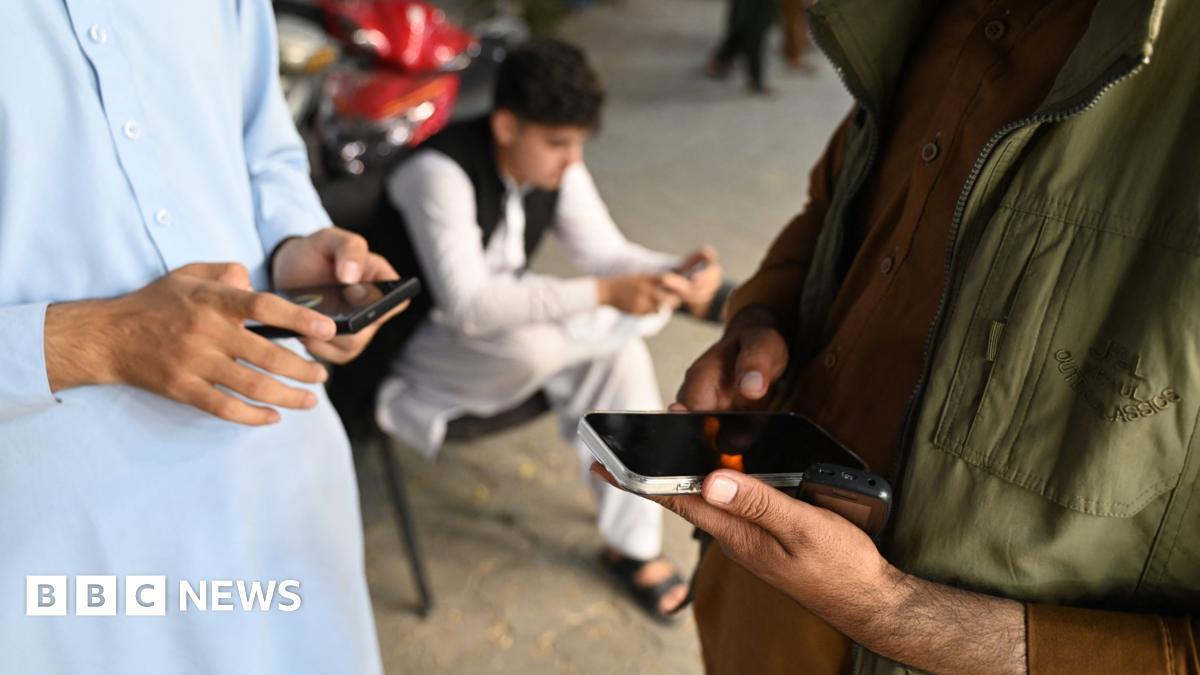
Taliban imposed a nationwide shutdown of fiber-optic and mobile internet services starting late September 2025. The blackout reduced Afghanistan’s internet connectivity to about 14% of normal levels, disrupting banking, education, and flights.
26 outlets told this the same way.
Outlets did split on Avalanche Strikes Himlung Himal Base Camp In Nepal, At Least 10 Missing →
Afghanistan Internet Blackout Impact
The Taliban government in Afghanistan recently restored internet and telecom services after a 48-hour blackout that had sparked widespread condemnation. This blackout, which began on a Sunday night, was part of the Taliban's efforts to curb what they describe as "immorality" and "vice." The shutdown severely disrupted daily life, affecting businesses, flights, emergency services, and communication with the outside world.
“Afghans celebrated the restoration of internet and telecom services after a 48-hour shutdown ordered by the Taliban government.”
The Taliban have not officially explained the shutdown, but a regional official previously cited the prevention of vices as a reason for blocking internet access. The UN warned that the blackout risked worsening Afghanistan’s humanitarian and economic crises, particularly affecting women and girls who have faced severe restrictions since the Taliban's return to power in 2021.

Afghanistan Internet Blackout Impact
The internet blackout in Afghanistan was not just a technical disruption but a significant socio-political event. It coincided with the fourth anniversary of the ban on girls’ secondary education and recent protests, suggesting it also aimed to suppress dissent. The shutdown affected a broad spectrum of people, including farmers, traders, journalists, and government officials, by blocking essential services like market information, GPS, telemedicine, and remote work.
Afghan business leaders and rights groups condemned the move as a deliberate effort to isolate the country and restrict freedom of expression. The blackout also hampered government functions and the communications of the ruling authorities, causing widespread societal disruption described as a regression to a "stone age" level of connectivity.
Internet Restoration and Restrictions in Afghanistan
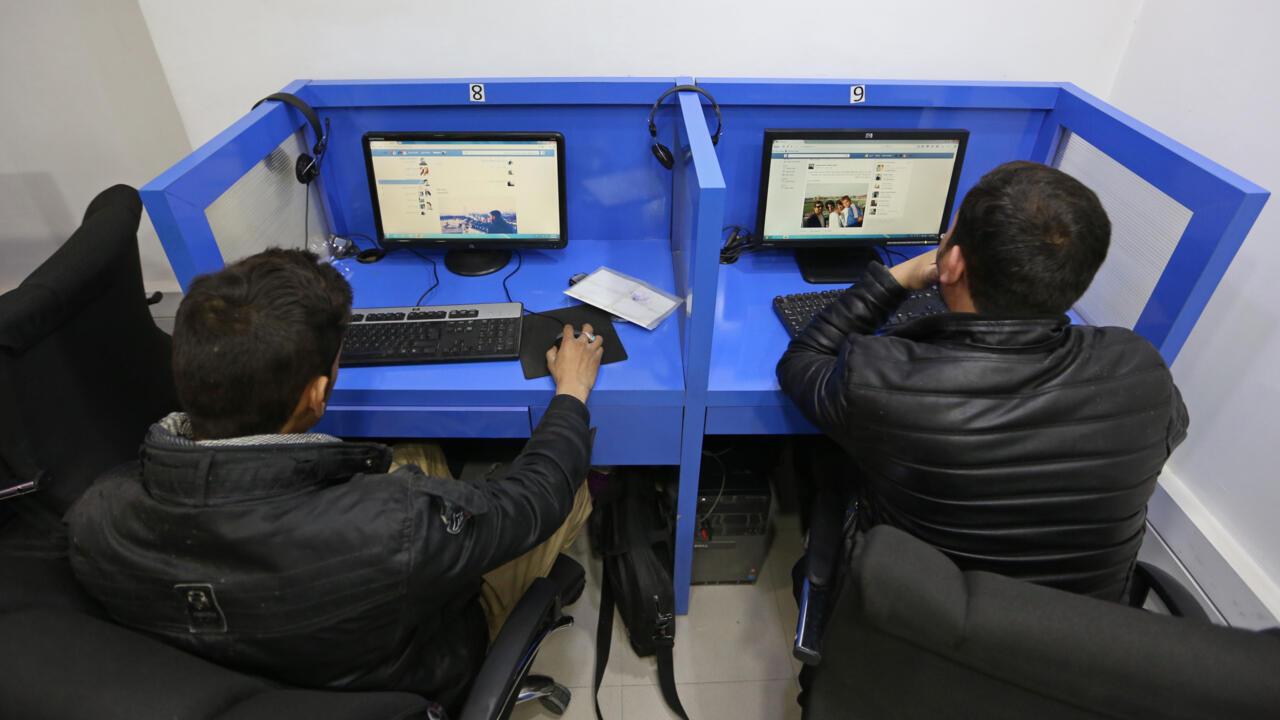
The restoration of internet services brought relief to many Afghans who had been cut off from global communications. Kabul saw increased activity and public relief, with people reconnecting with relatives and resuming daily activities. The blackout had caused significant disruptions, including halted international money transfers and closed banks and shops.
“Following the restoration, Kabul saw increased activity and public relief, with people reconnecting with relatives and resuming daily activities.”
The Taliban's actions have been seen as part of a broader pattern of imposing strict controls since regaining power in 2021, with increased restrictions on women's rights and media freedom. The UN and human rights groups have warned that such measures endanger lives by delaying aid and obstructing critical interventions.
Impact of Taliban Internet Blackout
The Taliban's internet blackout has been widely criticized as a tool for censorship, silencing women, activists, and independent media. Observers see the shutdown as potentially paving the way for a state-controlled, heavily censored intranet similar to those in Iran or China. The blackout deepens Afghanistan’s isolation and despair, cutting off education, economic opportunities, healthcare access, and freedom of expression.
This situation especially harms women and youth who had relied on the internet as a vital lifeline. The UN and human rights groups have called for the restoration of internet access, warning of its serious negative impact, particularly on women and girls.
