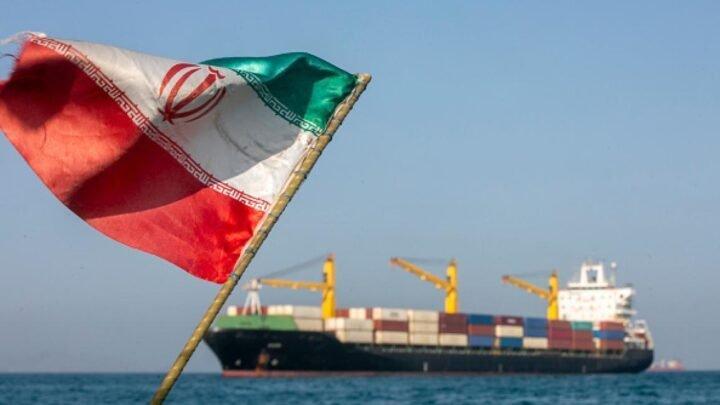
Iran · 08 August, 2026 · 3 min read
Iran Says Strait of Hormuz Reopening Depends on US Compensation, Not Oman Deal Alone
Reopening hinges on U.S. concessions and compensation, not solely on Oman deal. Iran has publicly laid out six conditions for Washington before reopening.
Whether Oman deal signals imminent full reopening.
11 of 13 outlets skipped it: US reinstated blockade redirected 53 ships.
Al Jazeera was read line by line by the Watchdog: 6.9. See the score →
17outlets compared
Same story, two versions
tap a side to read it in full
India Today
“Tehran has warned that a deal with Muscat alone will not be enough to fully reopen”Read the original ↗
Both reject a Muscat-only deal as immediate full reopening; CBS highlights denial more directly.
Oman talks, US conditions
Iran and Oman are nearing an agreement on arrangements for shipping through the Strait of Hormuz, but Tehran says a deal with Muscat alone will not be enough to fully reopen the waterway to commercial traffic. Iranian Foreign Minister Abbas Araghchi said on Saturday that Tehran and Muscat were “very close” to an agreement on a new shipping route through the Strait of Hormuz, while stressing that reopening depends on other conditions, including compensation from the US. The dispute is unfolding as diplomatic efforts intensify to restore shipping through the strait, a critical energy route disrupted since the war between Iran and the US began following US and Israeli attacks on Iran on February 28.
A US official said on Friday that Washington expected Iran and Oman to reach an agreement soon that could allow normal oil traffic through the strait to resume, with the US lifting its blockade of Iranian ports once commercial shipping is restored without impediments. Iran’s Supreme National Security Council secretary Mohammad Bagher Zolqadr said the strait will not open until the US “corrects” its behavior, framing the reopening as contingent on broader US concessions rather than only the Oman talks.

Demands and competing signals
Oman described negotiations with Iran over arrangements for shipping through the strait as “positive and constructive,” while its foreign ministry said “Oman stresses the importance of avoiding any actions that could affect these negotiations and the progress achieved.” Iran, however, has issued a list of demands for the US, with the Supreme National Security Council saying the US must never threaten Iran again, end the blockade, withdraw all military assets from the region, lift sanctions, unfreeze assets and compensate Iran for war damages. Iranian officials also linked the reopening to US actions beyond the navigation protocol, with the IRGC spokesperson Hossein Mohebbi saying the reopening was “contingent upon the United States accepting Iran's conditions and has no connection to the Iran-Oman negotiations.”
In parallel, the US Central Command said on Saturday that more than 30 ships had been allowed through for humanitarian aid since the blockade began, while it said it had turned away 53 ships, disabled two vessels and boarded two others. Vice President JD Vance told Fox News that the US and Iran were “in the middle of the game,” and he said the question was whether Iran’s system could give the US “the things that are necessary for us to be happy.”

Shipping at risk, next steps
The standoff is being tested by continued attacks on shipping, with the United Arab Emirates saying Iran had attacked a carrier affiliated with the UAE's state oil company with a missile while it was transiting the Strait of Hormuz. The UK Maritime Trade Operations agency said a vessel had caught fire after being struck by an unknown projectile, and the fire was later extinguished with no environmental impact reported, while Iranian authorities did not immediately comment on the incident. Iran’s position is that reopening hinges on US compliance with its conditions, including ending the blockade and withdrawing forces, and the Supreme National Security Council’s demands were described as including “unfreeze assets and compensate Iran for war damages.”
The US, for its part, said it would lift its blockade of Iranian ports once commercial shipping resumes without impediments, and it said its measures would be linked to Iran implementing its commitments under the agreement. As the talks with Oman move forward, Iran’s Foreign Minister Abbas Araghchi said Tehran and Muscat were “very close” to an agreement, but he cautioned that reopening the waterway would still depend on other conditions, including compensation from the US.