Asia25 October, 20252 min read
Thailand Begins Year-Long Funeral for Queen Mother Sirikit After Her Death at 93
Queen Mother Sirikit died at age 93 in a Bangkok hospital from a blood infection. She was hospitalized since 2019 due to multiple illnesses including a bloodstream infection.

61 outlets told this the same way.
Outlets did split on Avalanche Strikes Himlung Himal Base Camp In Nepal, At Least 10 Missing →
Farewell to Thailand's Queen Mother
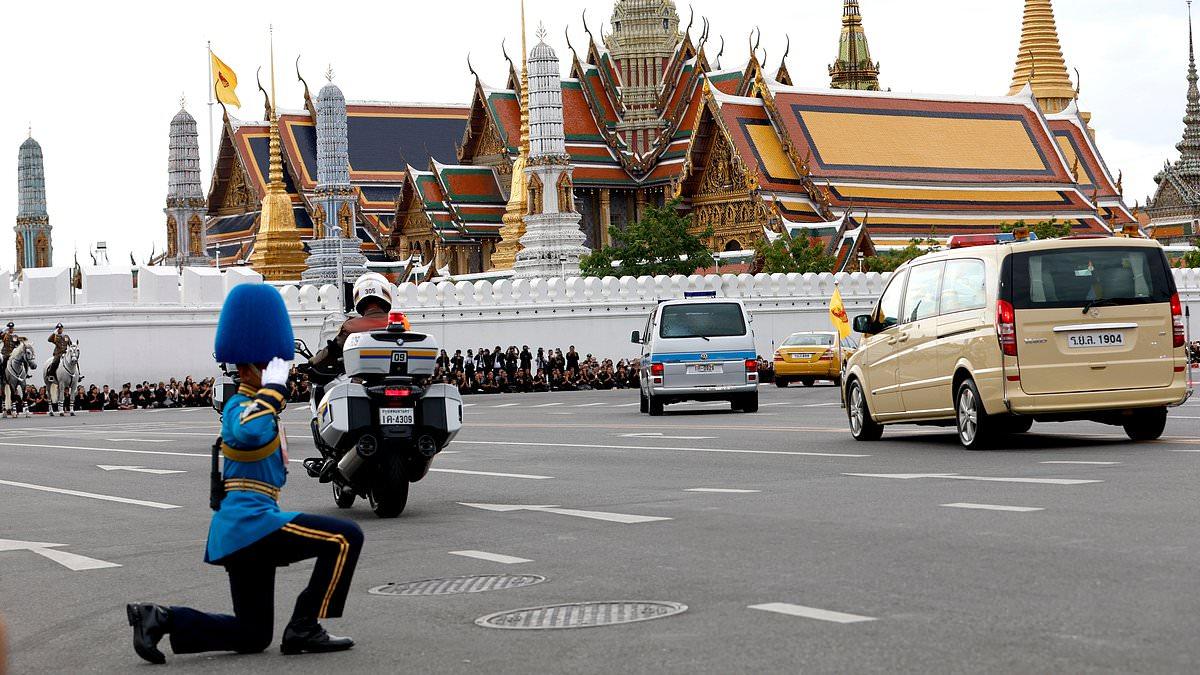
Thailand has begun a year-long farewell for Queen Mother Sirikit after her death at age 93. King Maha Vajiralongkorn ordered a royal funeral of the highest honors and mourning protocols across the country. Her body was taken in a solemn procession from Chulalongkorn Hospital to the Grand Palace, where it will lie in state.
“Following her death, King Maha Vajiralongkorn ordered a funeral with the highest honors and declared a one-year mourning period.”
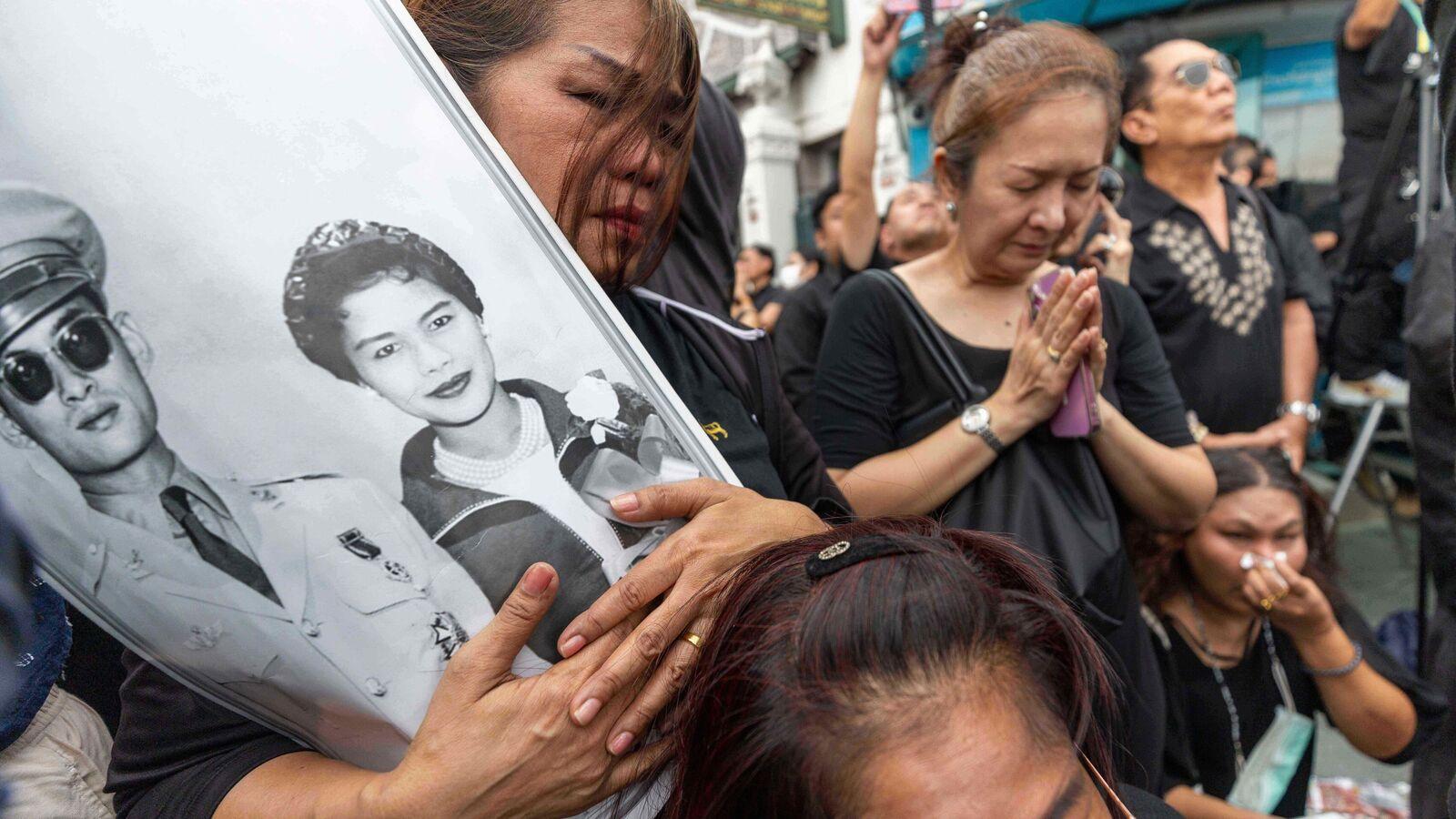
The royal family is observing a year of mourning. Authorities have directed nationwide observances including flags at public offices flying at half-mast for 30 days. Citizens are encouraged to wear dark clothing for up to 90 days.
In some accounts, government workers are to observe mourning attire for a year. These measures reflect her revered status and the deep public grief following her passing after a recent blood infection. Her health had been declining for years since a 2012 stroke and hospitalization from 2019.
Details on Royal Passing
Reports vary on the exact timing and structure of events, reflecting limited public information and evolving announcements. Some outlets date her death to October 25, others to October 24, and some to October 17, while another simply notes it was confirmed on a Friday evening.
Funeral details also differ: some accounts describe extended lying-in-state and year-long observances, while others point to a defined 15-day cycle of royal rites and a specific public viewing date. All agree her passing followed a recent blood infection amid prolonged ill health and years in hospital since 2019.
 Trendrod
Legacy of a Thai Icon
Across sources, her legacy blends elegance, cultural diplomacy, and hands-on social work. Accounts recall she met King Bhumibol in Europe and married in 1950. She became a global style icon with Pierre Balmain and helped revive Thailand’s silk industry.
“Born in 1932 into a privileged family, she met and married King Bhumibol Adulyadej, becoming a style icon... including collaborations with French couturier Pierre Balmain.”
She served briefly as regent in 1956 and championed rural development and conservation through initiatives such as the SUPPORT Foundation. Many portrayals also stress her maternal symbolism, with August 12 marked as Thailand’s Mother’s Day, reflecting her stature as a national matriarch.
Royal Influence and Media Control
Several sources highlight the tension between the monarchy’s apolitical ideal and Sirikit’s occasional interventions. Reports describe her support for royalist causes, including attending a protester’s funeral in 2008.
At the same time, they emphasize the strict media environment that protects the royal family from criticism. This duality—symbolic unity on one side and selective political signaling on the other—is a key theme in reviews of her reign and later years.

National Mourning and Diplomacy
Reactions highlight the extent of national mourning and some differing reports on regional diplomacy and future leadership. Officials called for widespread observance, including news anchors wearing black, flags at half-mast, and reduced celebrations. Prime Minister Anutin Charnvirakul modified his ASEAN plans in response to the situation.
“King Vajiralongkorn has initiated a year-long mourning period, with public signs of mourning such as news anchors wearing black.”
International condolences were received, including from India. Some media outlets discussed uncertainty over succession since King Vajiralongkorn has not named a successor. A few reports went further by linking regional diplomacy to the mourning period, showing unique or off-topic coverage not widely reflected elsewhere.