Iran12 September, 20263 min read
Iran Arrests 111 Monarchist Cells Across 26 Provinces, IRGC Says
This article is an automated aggregation of coverage from news outlets. Our editorials offer in-depth analysis curated by the NewsCord team.
Iran publicised 111 monarchist cell arrests across 26 provinces. US seeks to sow discord among Iran's domestic factions, says Basij chief.
Al Jazeera was read line by line by the Watchdog: 3.3. See the score →
Arrests, clashes, deterrence
Iranian authorities have repeatedly publicised arrests and clashes with small armed cells inside the country and skirmishes with armed groups along land borders, particularly in the lead-up to and during the war with Israel and the United States. State media said on Sunday that members of an eight-member network allegedly affiliated with “anti-revolutionary” and “pro-monarchy” groups were arrested, with the Islamic Revolutionary Guard Corps (IRGC) in the southern province of Fars accusing them of using Molotov cocktails and burning tyres during nationwide protests in January. The Intelligence Ministry announced on March 18 that Iranian authorities had arrested 111 so-called “monarchist cells” across 26 provinces, and Iranian authorities consider the January protests a “coup” orchestrated by armed agents of the US and Israel, including pro-monarchists.
The judiciary has executed dozens of prisoners since the start of the war, and numerous students, artists, businesspeople, journalists, healthcare workers and others have also been arrested over recent months for acts perceived by the authorities to be against national security. In parallel, the Al Jazeera account says Iranian leaders have expressed concern about more potential protests as public discontent rises amid deteriorating economic conditions.

Basij chief attacks US
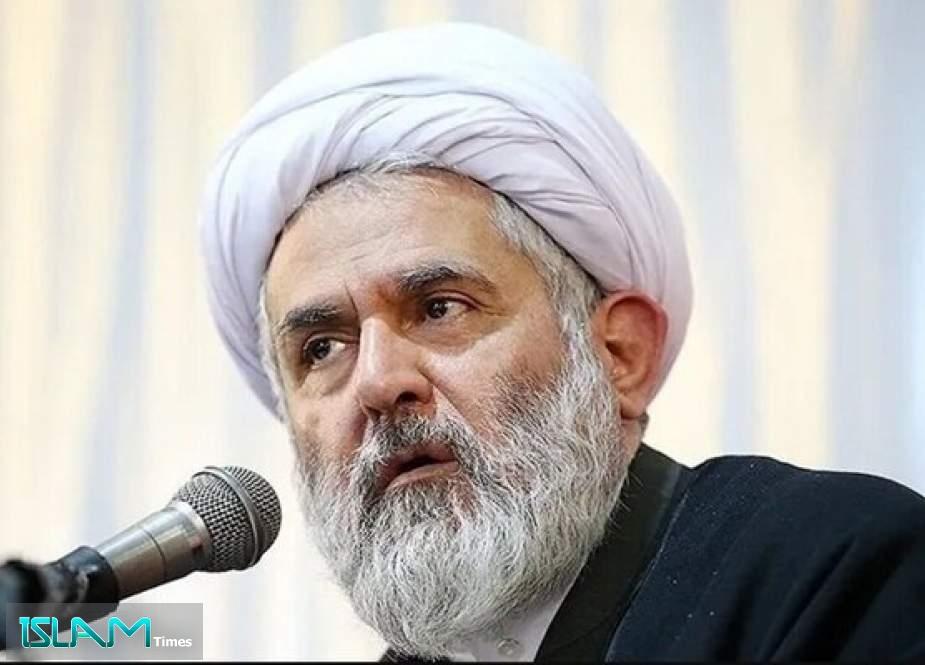
Head of the Basij Organization Hojjat al-Islam Hossein Taeb told commanders of Tehran’s Basij Force Base on Saturday that the United States is sowing seeds of discord among the internal trends and factions. Taeb said, “we must not allow them to succeed in this way,” and emphasized the need to strengthen and demonstrate the country's security prowess while pointing to the “unprecedented participation” of the nation during the recent conflict. He also underlined that “We must not negotiate with the enemy out of weakness, desperation or fear,” while adding that if the enemy calls for surrender or negotiations, Iran must engage in dialogue “from a position of strength and with the aim of securing our rights,” according to the Mehr News Agency report.
The same Mehr News Agency item frames Taeb’s remarks as a response to US policy adopted against Iranian nation, with the Basij chief lashing out at the US approach. The Islam Times page repeats the same Basij chief theme, carrying the headline “Basij Chief: US Seeking to Sow Seeds of Discord among Domestic Factions”.

Army and IRGC unity
Senior spokespersons for the Iranian Army and the Islamic Revolution Guards Corps (IRGC) highlighted what they described as unbreakable unity between the two military branches during a coordination meeting at the Army headquarters in Tehran. Army Spokesperson Brigadier General Mohammad Akrami-Nia said, “No country in the world dares fire a single shot at them, but we have stood against them, struck them, and did not allow them to fulfill their objectives,” as he hosted IRGC Spokesperson Brigadier General Hossein Mohebbi. Mohebbi praised the Iranian Army as “a powerful, popular, and fierce anti-imperialist institution,” and drew parallels between the current confrontation and the 1980-1988 Iran-Iraq War, known in Iran as the First Sacred Defense.
The PressTV account says the meeting focused on enhancing media cooperation and showcasing operational synergy between the Army and the IRGC amid the ongoing US-Israeli war of aggression, and it describes retaliatory strikes against American military installations and naval assets across West Asia. It adds that joint operations by the Army and the IRGC included ballistic missile and drone barrages targeting US regional bases, while Iranian air defense units intercepted many advanced US drones and naval forces enforced strict maritime controls in the Strait of Hormuz.