Europe11 July, 20263 min read
Thousands Mark Srebrenica Genocide’s 31st Anniversary as Ten Bosniak Victims Are Buried
This article is an automated aggregation of coverage from news outlets. Our editorials offer in-depth analysis curated by the NewsCord team.
Thousands gathered at Srebrenica to mark the 31st anniversary of the genocide. Ten victims' remains were laid to rest in a collective funeral.
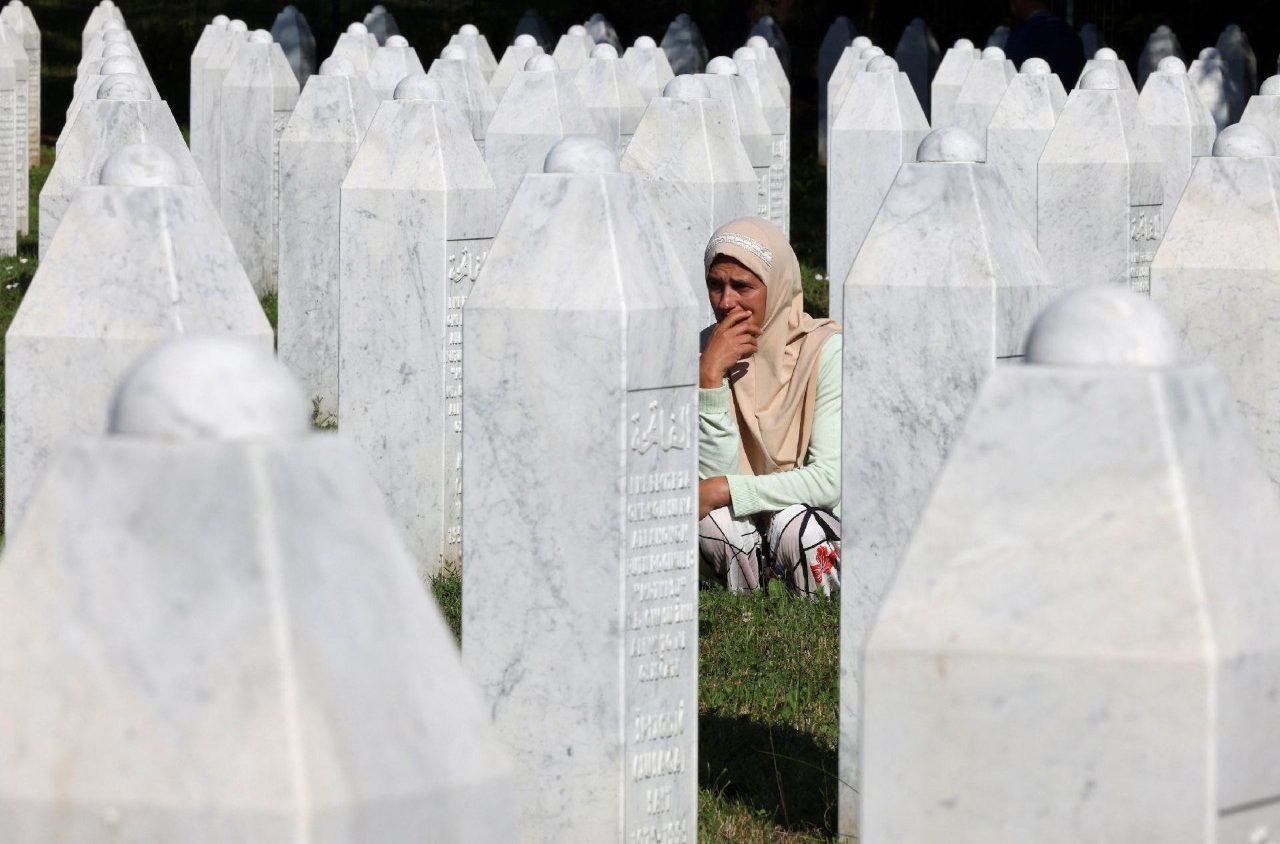
31 Years, 10 More Buried
Thousands gathered in Srebrenica on Saturday to mark the 31st anniversary of the genocide committed against Bosniaks in 1995 and to participate in the burial of the remains of ten more victims of that crime. The article says that after the fall of Srebrenica on July 11, 1995, more than eight thousand Bosniaks were killed, and that the remains of more than 900 of them are still being searched for. Within the memorial complex in Potočari, where more than 6700 people killed have been buried in previous years, the remains of ten victims exhumed from mass graves across eastern Bosnia in the period from 1997 to 2022 also lie.
The youngest victim buried on Saturday was Senad Jusić, who was 20 years old when he was killed in 1995, and the oldest was Ramo Dautović, who was 56 years old at the time he was killed. Among the participants, the current High Representative for Bosnia and Herzegovina, Louis Crishock, said that nothing can compensate families for the loss of their loved ones, but that the memory of the victims must be preserved.
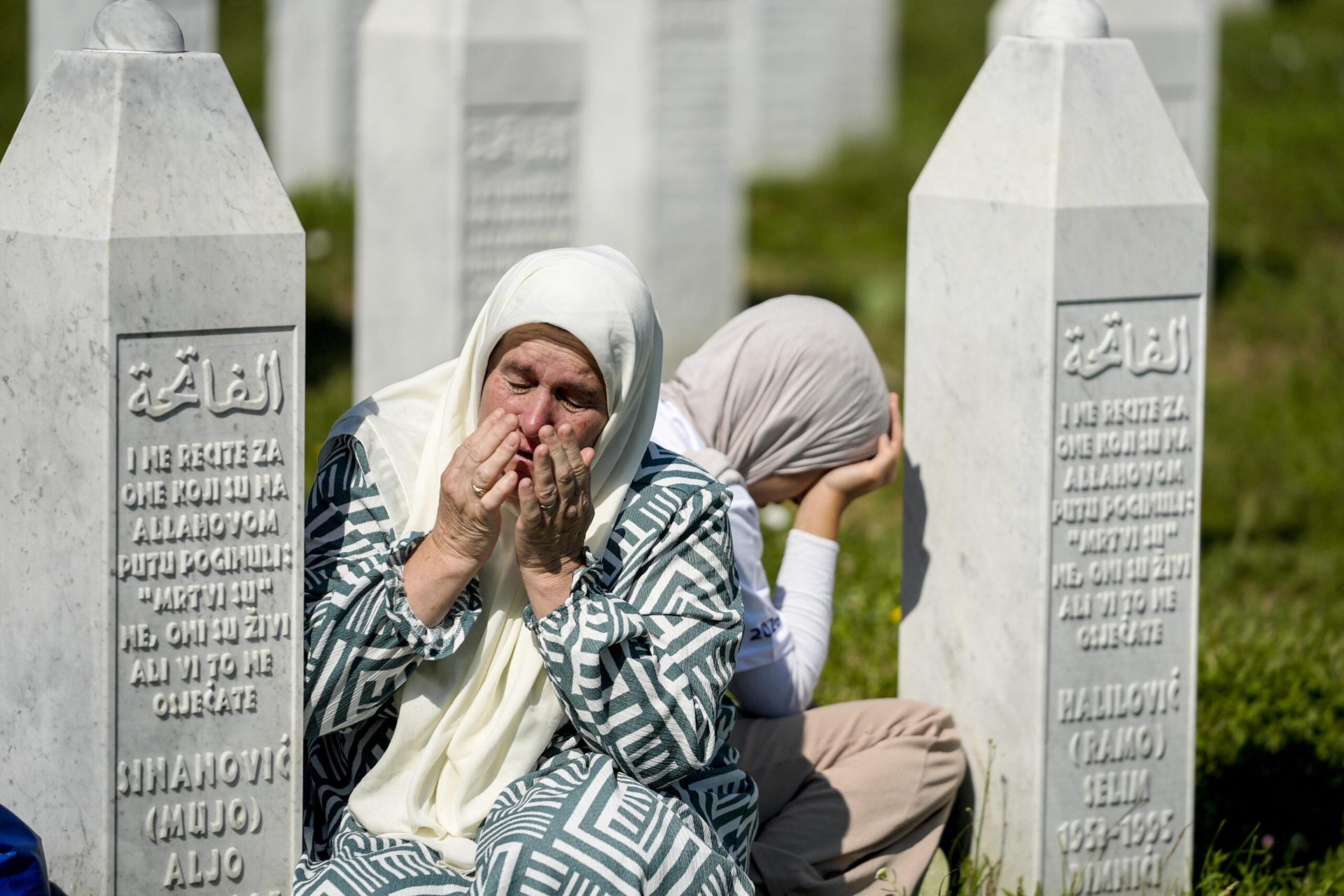
Voices, Denial, and Education
Denis Bećirović said at the commemoration that Srebrenica represents a planetary warning that dehumanization, hatred, and big-state projects must be responded to in a timely manner because the perpetrators must not be given in. He also said, "The mass executions of July 1995 were not the result of deliberate action and uncontrolled hatred," and added that the genocide was planned in detail and brutally committed. In parallel, Al Jazeera reported that Denis Becirovic said honouring those who were killed was crucial to maintaining stability, quoting him: "If we fail to preserve the truth about our past, we will have neither a present nor a future,".
The Dutch ambassador to Bosnia and Herzegovina, Henk van den Dool, told the anniversary gathering that education was key to preventing a repeat of similar atrocities, saying, "One of the common goals we share with the Srebrenica Memorial Center" is to translate the warning into meaningful action. The same Al Jazeera report said that every year on July 11 newly identified victims are buried at the Srebrenica-Potocari Memorial Center as investigators continue to search for the remains of people buried in mass graves in surrounding areas.

What’s at Stake Next
The Vatican News report said that the remains of 10 more victims were laid to rest at the Srebrenica Memorial Centre in the nearby village of Potočari on July 11, the date the killings began in 1995. It also described how, before the burial ceremony, relatives and thousands of other participants completed the annual Peace March to Potočari, following part of the route used by Bosniak men and boys who tried to escape through forests after Srebrenica fell. Just Security said investigators continue to search for the remains of people buried in mass graves in surrounding areas, and that more than 7,500 persons remain missing from the 1992–1995 war in Bosnia and Herzegovina, including around 1,000 victims of the Srebrenica Genocide.
In the same account, it said outspoken proponents of genocide denial have flourished and identified Milorad Dodik as the most prominent, describing him as a Bosnian Serb leader and influential political figure serving as prime minister and president of Republika Srpska. Al Jazeera added that Pakistani Prime Minister Shehbaz Sharif called the massacre "a crime against humanity," and that the Mayor of London, Sadiq Khan, posted on X that he was "deeply moved" during his trip to Srebrenica last week.