Full story
Spain’s eclipse draws crowds
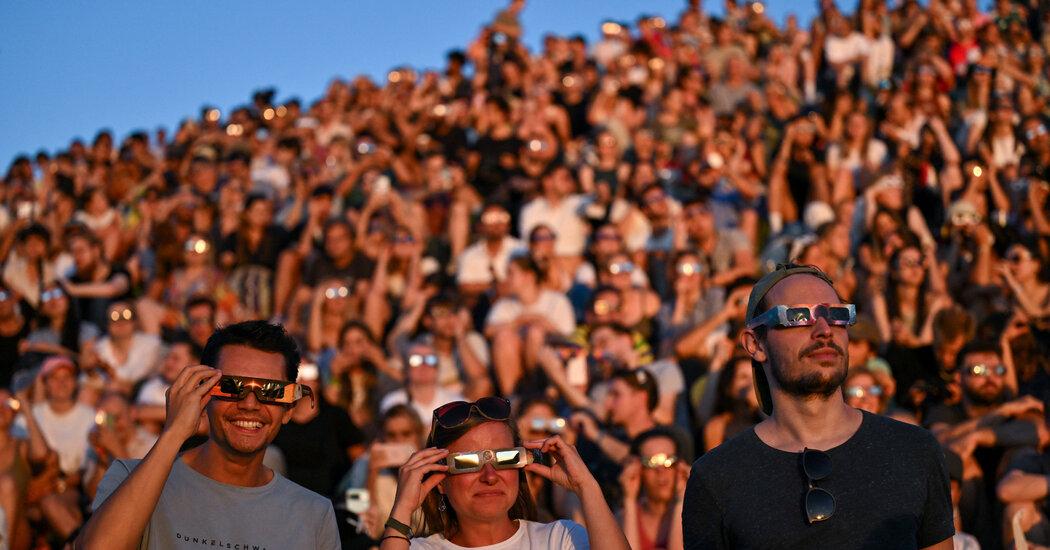
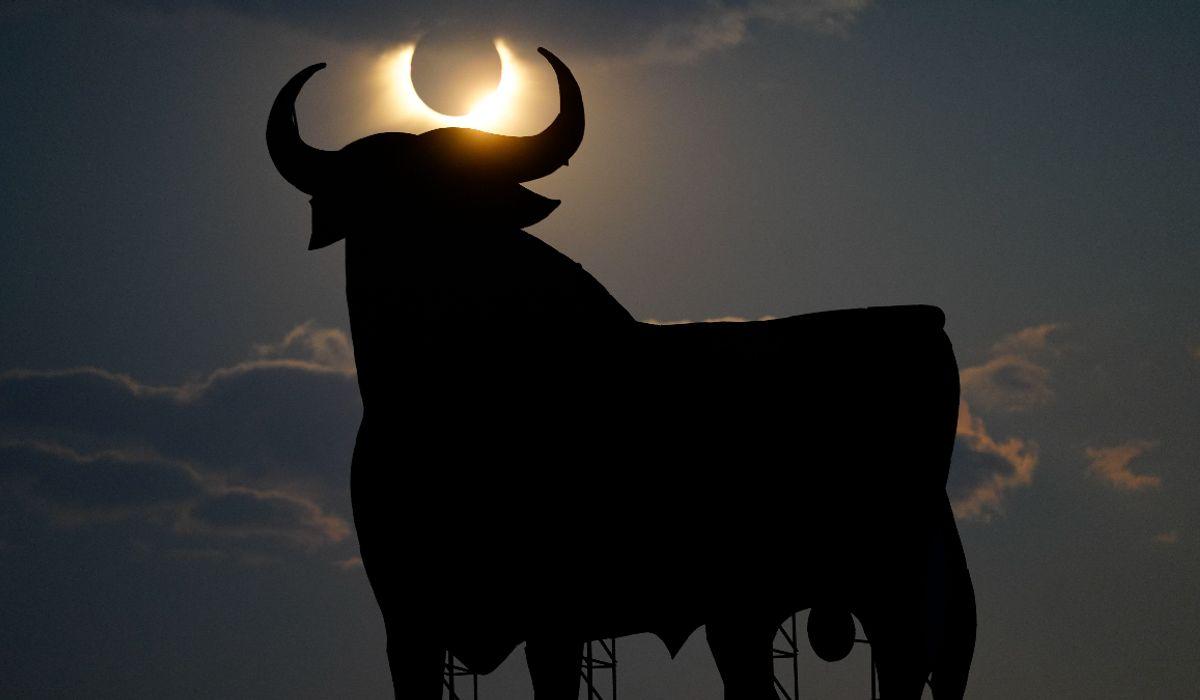
A total solar eclipse plunged parts of Spain into darkness on Wednesday, August 12, as the totality band crossed about 40% of the territory and passed through as many as 23 provincial capitals.
“The phenomenon began at 17:34 local time over the Bering Sea”
La Razón said the partial phase began around 19:30 and totality came a little after 20:26, while ABC described the moment in Arcos de las Salinas, in the province of Teruel, where about 1,000 people waited under the guidance of astronomers at the Galáctica astronomy outreach center.
In Spain’s northern Galicia, tens of thousands traveled to the Ferrol coast for a privileged vantage point, and ABC said “Silence began to take over the esplanade and the atmosphere was cut with a knife.”
Across the peninsula, the eclipse’s path reached the Balearic Islands, and ABC reported that the King stayed in Mallorca with Queen Sofia to watch the astronomical event.
The day also brought travel strain, with La Razón saying thousands gathered at main observatories and that the increase in travel caused heavy traffic and delays on several roads.
Injuries, incidents, and officials
While the eclipse drew crowds, ABC reported that a person was hospitalized after falling from the roof of a train in Tarragona while watching the eclipse, with the incident occurring in Altafulla around 20:20 on Wednesday.
ABC also said that “So far, 37 people have had to be attended by the Medical Emergency Service (SEM) for incidents related to watching the total solar eclipse.”
In statements from the Yebes Observatory in Guadalajara, Cadena SER quoted Interior Minister Fernando Grande-Marlaska saying the day “is proceeding reasonably, without major mismatches,” while noting “small incidents.”
Cadena SER added that Virginia Barcones, Director General of Civil Protection, said “We have been preparing for months a large device to minimize the risks associated with viewing this eclipse,” and emphasized that “everyone wears certified glasses, that is essential.”
Beyond the skywatching, the same day included other disruptions, with La Vanguardia noting that the eclipse limited the operating period of aerial means in the Niebla fire (Huelva) after a mandatory withdrawal of the air fleet at 19:30 hours.
Tourism planning and safety
Tourism planning around the eclipse included large-scale mobility and safety measures, with La Razón saying authorities kept special security, mobility, and emergency deployment in place with attention to very high or extreme risk of forest fires.
“it is essential to use certified eclipse glasses in perfect condition”
ElDiario.es framed the event as the first of an “Eclipse Trio” crossing Spain between 2026 and 2028, and said the total solar eclipse would cross northern Spain—from Galicia to the Balearic Islands—next Wednesday, August 12 at sunset, around 8:30 p.m. (Peninsula time).
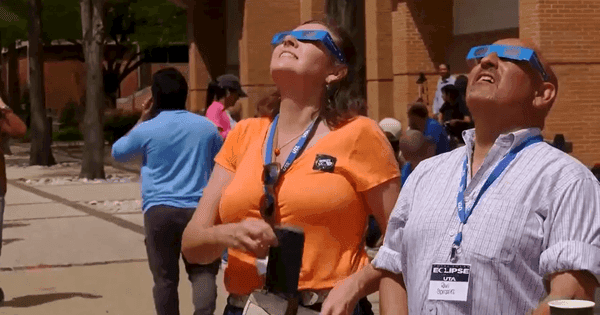
ElDiario.es also stressed that “it is essential to use certified eclipse glasses in perfect condition,” advising that glasses be kept on at all times and only safely removed during moments of totality.
Cadena SER reported that Virginia Barcones urged “We must ensure that there is no need to lament damages or fires,” while also warning that orange alerts for high temperatures and mobility required minimizing travel and not stopping on the shoulder or in dry areas.
As the eclipse ended, the focus shifted to what comes next for visitors, with La Vanguardia saying the totality phase ended shortly after 20:33 local time, and Vozpopuli adding that after the eclipse “the Perseids” would reach their maximum on the night of Wednesday, August 12 to Thursday, August 13.