
Trump Administration Plans US Agricultural Purchases From Unfrozen Iranian Assets as Iran Negotiates
Key Takeaways
- U.S. plans to use unfrozen Iranian assets to purchase U.S. agricultural goods.
- Asset release linked to MOU and talks to end the Middle East conflict.
- Iran rejects US claims about funding agriculture with unfrozen assets.
Frozen assets dispute
The United States says it has come up with a spending plan for unfrozen Iranian assets as negotiations continue to reach a final deal to end the war in the Middle East, with President Donald Trump’s administration insisting the money will be used to buy US agricultural products for Iran.
After the first round of talks in Switzerland following the signing of the US-Iran memorandum of understanding last week, Iran’s top negotiator Mohammed Bagher Ghalibaf said an agreement had been reached to release $12bn in frozen Iranian funds, while US Vice President JD Vance said the unfrozen assets would be used by Iran to buy US agricultural products.
Trump added that the money and/or sanctions relief being released would go into escrow controlled by the U.S.A. and be used for the purchase of food and medical supplies exclusively from the United States, including corn, wheat, and soybeans.
Iran has not confirmed it agreed to the US framing, and Iranian Foreign Ministry spokesman Esmaeil Baghaei said the assets “will be released and will be employed with absolute liberty by Iran in order to purchase whatever goods or commodities needed by the nation”.
Al Jazeera also reported that Iran’s ambassador in Geneva Ali Bahreini rejected the US contention, saying “Iran is the only country that decides what to do with those assets”.
Treasury oversight vs Tehran
Treasury Secretary Scott Bessent told CNBC’s “Squawk Box” that the Treasury Department will oversee Iranian funds when they are released under Trump’s interim Iran agreement, adding that “A very large percentage of it will go to buy U.S. foodstuffs and medicines.”
Bessent said the initial money would likely be released from Qatar, with Treasury officials in Doha overseeing how the funds are allocated, and he described the arrangement as “recycl[ing]” the money back into U.S. products.

Iranian officials have rejected the idea that Washington or its partners would dictate how Iran spends unfrozen assets, with Iranian Foreign Ministry spokesman Esmaeil Baqaei saying Tehran would use any released assets “in whatever way is in the country's interest.”
Radio Free Europe/Radio Liberty reported that Iran pushed back against Trump’s claims but stopped short of ruling out purchases, and it quoted Central Bank Governor Abdolnasser Hemmati saying, “Based on the signed memorandum, we have no requirement to purchase agricultural inputs from America.”
The dispute has become a central question in the deal’s mechanics, with CNBC describing uncertainty over whether Treasury will have direct legal control over the money once it is released or whether the US is describing conditions enforced through foreign banks, escrow accounts, and sanctions pressure.
Hard-line backlash and next steps
The proposal has sparked backlash from Iranian hard-liners, and Radio Free Europe/Radio Liberty said the mere mention of Iran possibly buying US agricultural products has angered them and is likely to further fuel divisions.
Raja News, affiliated with the hard-line Paydari Front political faction, published editorials arguing the food purchase mechanism violated the MOU, and it claimed the proposed US arrangement amounted to a breach of the agreement before it had even been implemented.
Radio Free Europe/Radio Liberty also reported that hard-line cleric Morteza Panahian warned that American corn, soybeans, and canola meal were genetically modified and posed a public health threat, while Foad Izadi argued that US Congressional authorization requirements meant any transaction would effectively be a deal between Qatar and the United States using Iranian money.
Separately, Al Jazeera reported that negotiations have not produced full alignment between the two sides, with Gary Hufbauer warning that “Any attempt to put spending conditions on unfrozen Iranian assets will lead to lengthy negotiations.”
Al Jazeera further described how the dispute sits inside a broader effort to end the war, with the US and Iran still disagreeing on what happens to frozen assets and with the next steps tied to the ongoing talks after the Switzerland round.
More on Iran
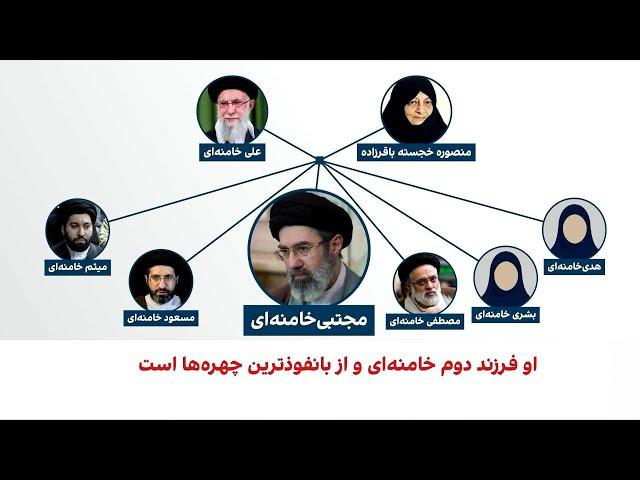
Mojtaba Khamenei Vows Revenge After Ali Khamenei’s Feb. 28 Killing
15 sources compared

Abbas Araghchi Meets Oman’s Badr Al-Busaidi In Muscat To Discuss Strait Of Hormuz Safe Passage
20 sources compared
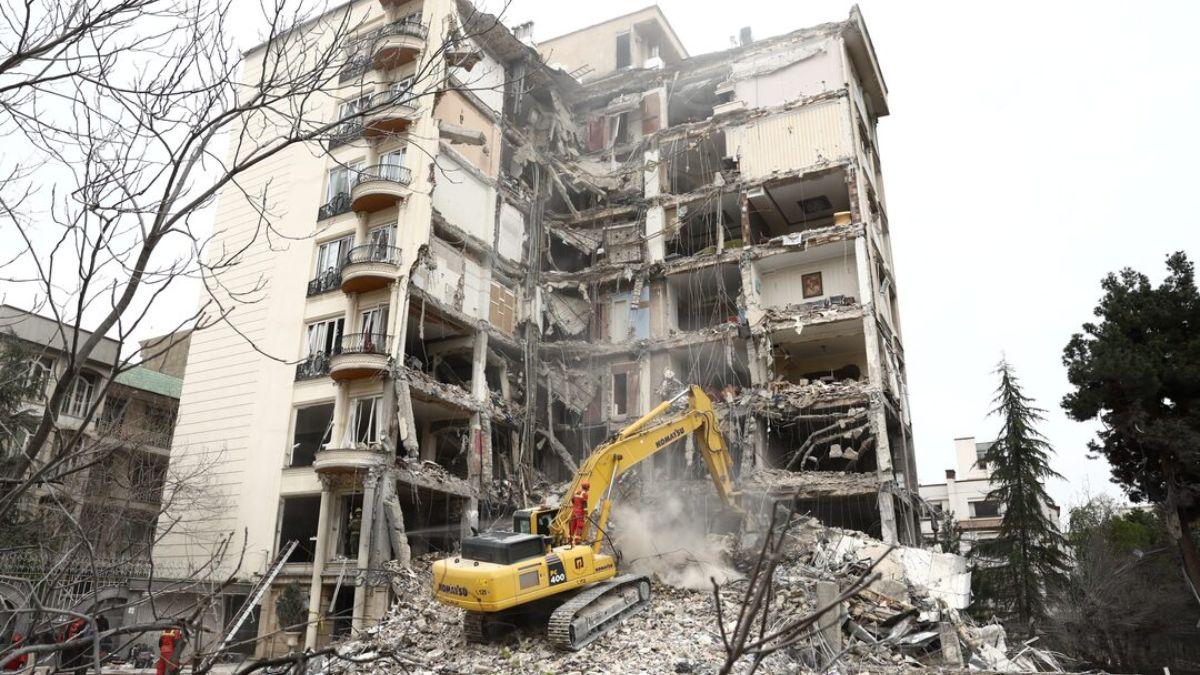
Donald Trump Threatens Iran With 1,000 Missiles If It Tries To Assassinate Him
33 sources compared
Iran Says Talks With U.S. Impossible Until Washington Retreats, Vows Revenge for Ali Khamenei Death
17 sources compared