Full story
14 points, Hormuz opens
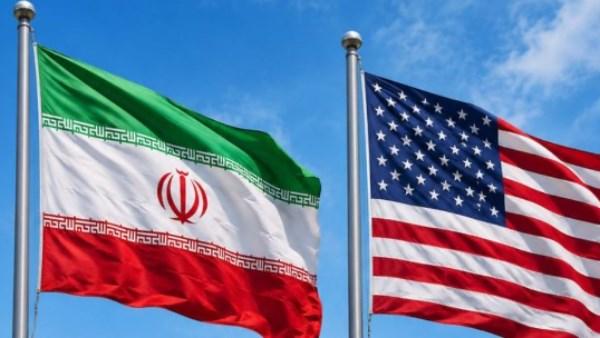
The Trump administration released the text of its 14-point agreement with Iran, saying it delivered a “major win” for the United States while making significant political and financial concessions to reopen the strait of Hormuz and prevent a “worldwide depression”.
“claiming it delivered a “major win” for the United States”
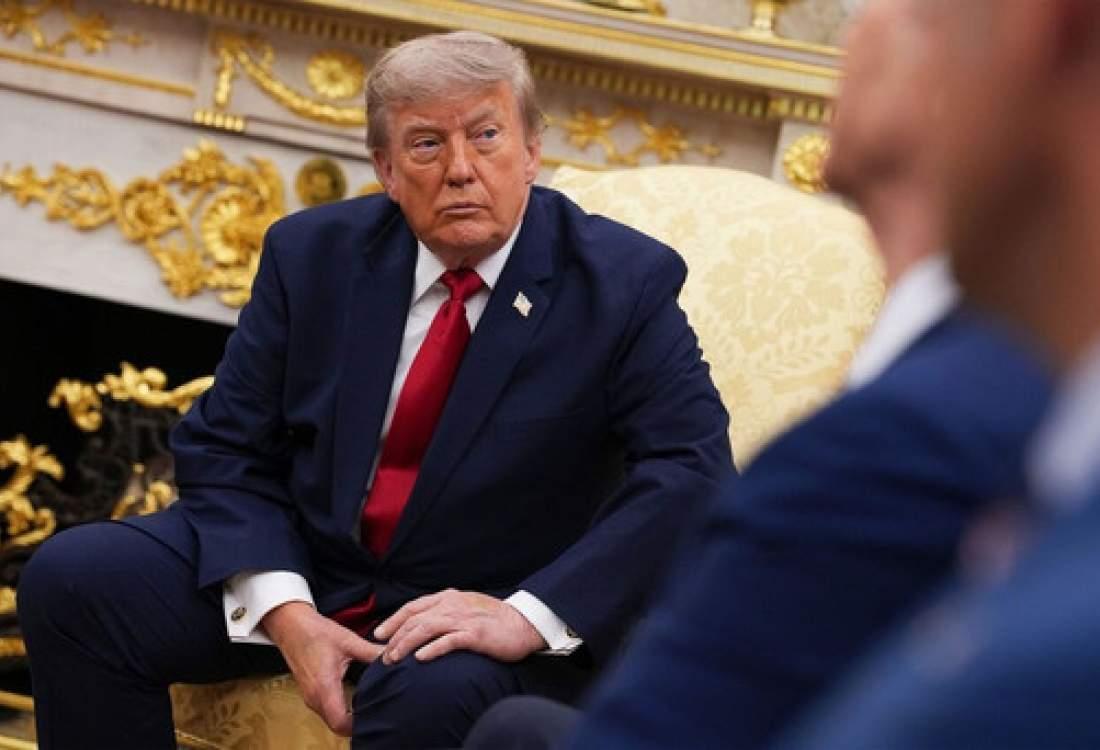
Donald Trump said the “alternative would be a worldwide depression”, arguing that if he had not struck a deal, “the strait [of Hormuz] would never have been opened”.

The agreement’s text, titled the “Islamabad Memorandum of Understanding between the United States of America and the Islamic Republic of Iran,” says the parties are signing to declare the immediate and permanent termination of military operations on all fronts, including in Lebanon, and to refrain from the threat or use of force against each other.
CNN reported that the memorandum is due to be formally signed Friday, triggering a 60-day-window to negotiate the final terms of a deal, and it said the official text was released after outcry that its text hadn’t been released publicly.
The Guardian reported that Hezbollah chief Naim Qassem hailed the agreement as a “great victory,” while the deal’s provisions include reopening the strait for 60 days with toll-free passage and expectations for addressing Iran’s nuclear program during future technical talks.
Threats, ceasefire, and leverage
Even as the deal text was released, Trump warned that the U.S. could resume military strikes if Iran did not comply, telling reporters, “If I don't like it, if they (Iran) don't behave, we'll go right back to dropping bombs right smack in the middle of their head, OK?”
The Times of Israel reported Trump called the memorandum “not final,” reiterating that “it’s not final – it’s a memorandum of understanding,” and warning Washington would resume military strikes if “they don’t behave”.

Reuters through Global Banking & Finance Review said Trump defended the interim agreement at the close of the G7 summit in France, saying it had averted a global economic catastrophe while warning he could launch fresh attacks if Tehran failed to honour its commitments.
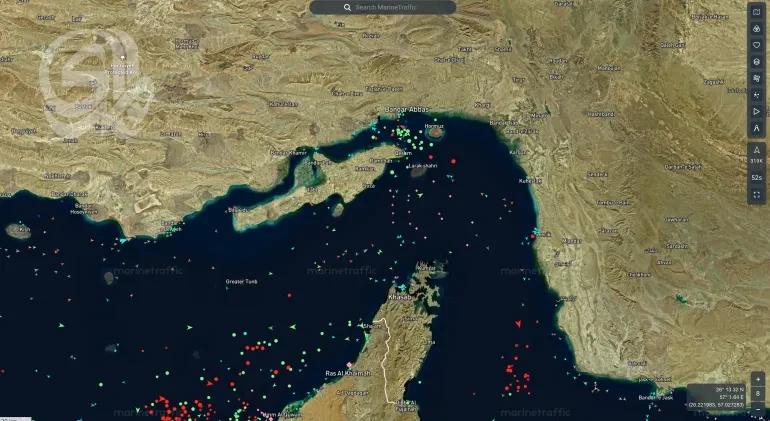
The agreement also set a framework for reopening maritime traffic, with NewsNation saying the deal would eventually fully reopen the Strait of Hormuz and that an official signing ceremony was expected to be held on Friday in Geneva.
In parallel, the G7 leaders said they supported “through an immediate robust ceasefire” Lebanese efforts to disarm Hezbollah and protect Lebanon’s territorial integrity and sovereignty, while also backing a “robust and comprehensive diplomatic follow-on agreement” to the memorandum.
Money, sanctions, and next steps
The deal’s financial incentives and sanctions relief are central to what comes next, with SMH.au reporting the U.S. will immediately waive restrictions on Iranian oil exports and ultimately lift all sanctions, while helping create a $US300 billion ($425 billion) development fund for Iran.
“immediately waive restrictions on Iranian oil exports and ultimately lift all sanctions”
The Guardian said the agreement would provide important financial incentives including the immediate lifting of a US naval blockade on Iranian ports and the issuance of waivers for Iranian crude oil to be shipped abroad, alongside plans to develop a $300bn (£224bn) reconstruction fund for Iran funded by regional partners in the Gulf.
CNN reported that the memorandum due to be signed Friday would trigger a 60-day-window to negotiate the final terms of a deal, and it said the text includes provisions for reopening the Strait of Hormuz, easing certain financial restrictions on Iran, and expectations for addressing Iran’s nuclear program during future technical talks.
In the G7 declaration, leaders said they support passage through the Strait of Hormuz without “restrictions or tolls” and said a multinational, independent, and defensive initiative led by France and the UK can play an important role to facilitate resumption of maritime traffic by protecting merchant vessels and supporting verification that all mines are removed.
NewsNation added that Iranian President Masoud Pezeshkian said the signed MOU is a draft and that a final agreement has yet to be reached, while U.S. officials said benefits to Iran would come based on willingness to work with Washington on its nuclear program and not fund what a U.S. official described as “radicalism” in the region.