Full story
Missiles, jets, and strikes
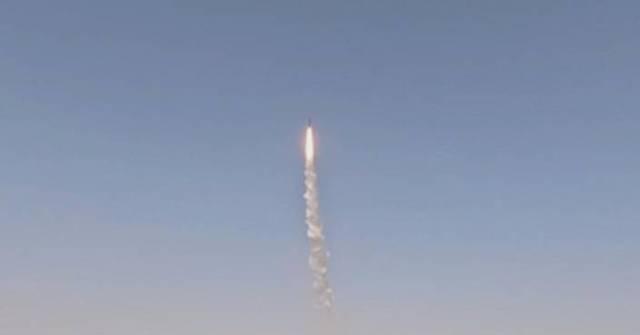
Iran’s Revolutionary Guard said it targeted Al-Azraq Air Base in Jordan’s eastern desert with ballistic missiles, destroying three US F-35 fighter jets and heavily damaging three others, according to Iranian media.
“destroying three F-35 fighter jets and heavily damaging three others”
The US military said it launched a “heavy wave” of airstrikes in Iran Thursday against military command centers and missile facilities, describing the action as retaliation for an “attempted surprise attack” with ballistic missiles on Tuesday against U.S. forces in the Middle East.

Jordan’s military said it shot down five Iranian missiles targeting its territory early Thursday, while the US said the missiles were intercepted.
In parallel, the US and Saudi Arabia struck Iraq on Wednesday targeting “Iran-aligned terrorists” that the Islamic Revolutionary Guard Corps (IRGC) directed to attack US forces and Saudi energy infrastructure, according to CENTCOM.
The exchange came as the US Senate rejected a largely symbolic effort to limit Donald Trump’s authority to wage war in Iran, with the war powers resolution failing in a 49-50 vote on Thursday.
Threats and political friction
Iran threatened to “punish” the United States after a “heavy wave of strikes” against Tehran, with the Revolutionary Guard saying it “will punish the aggressor today” and that Gulf nations helping Washington would “receive a harsh response,” according to Iranian state media.
President Trump told reporters at the White House that the U.S. will “beat the f‑‑‑ing s‑‑‑ out of” Iran and said it is the U.S. military’s “turn” to strike, as the conflict expanded with attacks and counterattacks across the region.
In Washington, the US Senate vote rejecting the war powers resolution was 49-50, with the Pennsylvania senator John Fetterman voting with Republicans to sink the measure, and Mitch McConnell absent as he continues to recover from a fall in June.
Senate Democratic leader Chuck Schumer urged colleagues to back the resolution, saying “This reckless war is driving up monthly bills and making everyday life harder for working families,” and adding “Under the constitution, we have the power to end the war today – let’s use it!”
The Hill reported that Iran’s threat extended to Gulf nations helping Washington and that the U.S. and Saudi Arabia responded to the Tuesday missile attack with strikes on Iran-backed militias in Iraq.
Casualties, costs, and next moves
The conflict has already killed at least 18 US service members and wounded more than 450, according to Pentagon figures cited by The Guardian, while the Senate debate unfolded amid questions from Democratic lawmakers over a lack of transparency.
“At least 18 US service members have so far been killed”
The Guardian also reported that the Pentagon told Congress it needs roughly $80bn more to sustain the war effort, on top of the more than $37bn already spent, as the war stretched beyond the “four to five weeks” Trump predicted when he co-launched the war with Israel against Iran on 28 February.
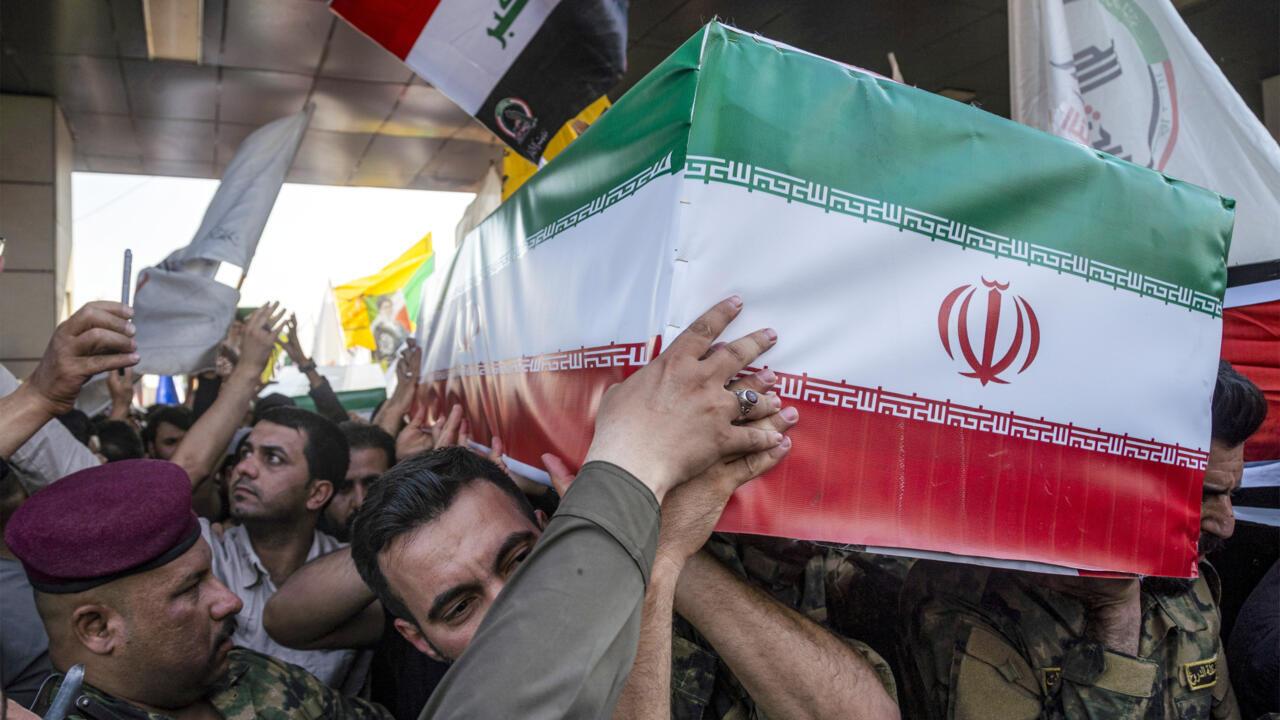
In Iraq, the Iran-backed Popular Mobilization Forces said the US-Saudi attacks killed at least 20 fighters and wounded 32, while Stars and Stripes reported that the Popular Mobilization Forces said 20 of its members were killed and 32 wounded.
In the wider region, NPR said Iran’s attacks targeted the Muwaffaq Salti Air Base in the eastern desert and that Jordan’s base is a U.S. air hub and the frequent target of attacks, including one that killed three U.S. service members in mid July.
As fighting continued, the US military said it paused attacks to allow negotiations to reopen the Strait of Hormuz, while Iran said “If the [US] attacks stop, Iran will also halt its operations,” according to The Jerusalem Post’s account of a Reuters report.