Full story
Sanctions as “Economic War”
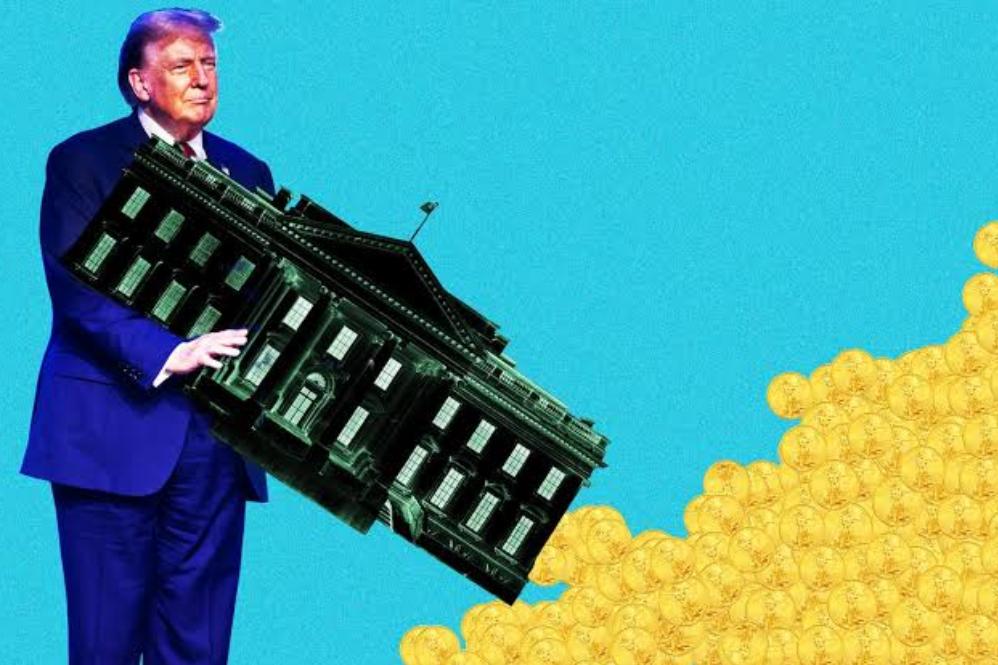
The Trump administration announced a new “economic war” on Iran, with the US saying it is targeting all of Iran’s sources of revenue, including oil, as Treasury Secretary Scott Bessent described it as an “unprecedented” campaign.
“President Trump said Monday that Iran was "collapsing"”
CBS News said President Trump told reporters Monday that Iran was “collapsing” before the US unveiled nearly six-month war to heap economic pressure on Iran’s rulers, and CBS also reported that Bessent vowed the effort would amount to “the single greatest financial offensive ever marshaled against an adversary.”

CBS News also said talks between Iran and Oman on future management of the Strait of Hormuz were set to continue Tuesday, while Iran’s president said Sunday he believes a June memorandum of understanding remains the best path to end the war.
The same CBS report said Tehran has imposed an effective blockade of the strait since the United States and Israel struck Iran in late February, and wants to charge tolls for passage.
In parallel, Al Jazeera reported that Bessent warned of severe consequences for countries who continue to trade with Tehran as the plan targets Iran’s revenue streams.
Strait of Hormuz Pressure
As the economic pressure campaign unfolds, CBS News reported that an oil tanker was struck and disabled by a projectile in the Strait of Hormuz off the coast of Oman, with the UK Maritime Trade Operations saying the crew was safe.
CBS News added that the incident occurred 9 nautical miles northeast of Ash Shishah in Oman, and said Tehran has imposed an effective blockade of the strait since the United States and Israel struck Iran in late February.

CBS News also said the US military redirected 71 commercial ships in its blockade against Iran, and that Central Command reported over 40 ships supporting humanitarian aid were allowed to pass through the blockade.
In a separate account, Clarin reported that Iran’s new security chief Mohsen Rezaei warned Gulf states not to join Trump’s economic war, saying Tehran would try to prevent "even a single drop of oil" from leaving the region.
Clarin also quoted Rezaei warning: "Any country that becomes an accomplice in imposing economic restrictions against us will be regarded by us as an enemy," as Iran promised retaliation if countries aid the US pressure campaign.
Reactions and Wider Stakes
Iran’s response to the sanctions push included a prediction of resistance, with CBS News reporting that Iran’s Economy Minister Ali Madanizadeh told state television that the Islamic Republic had a “two-year plan” to counter Washington and predicted “another defeat” for the U.S.
“Iran predicts "another defeat" for U.S. with new sanctions”
CBS News also reported that Netanyahu said Monday that Iran tried to assassinate one of his sons, adding that he told Israel’s Channel 14: "Something incredible happened: Iran targeted one of my sons."
In the financial arena, Bangkok Post said investors were awaiting details of the US plan to impose massive economic pressure on Iran to end the Middle East war, and it quoted Ipek Ozkardeskaya saying “Trade tensions are back in the headlines this morning” as oil flows were disrupted.
Bangkok Post further reported that Brent was trading above US$90 a barrel after jumping more than seven percent last week, and it listed key market moves at around 1335 GMT including Brent North Sea Crude down 1.2% at $91.59 per barrel.
France 24 framed the US move as a campaign of secondary sanctions aimed at forcing third countries to choose between doing business with Iran or maintaining access to the U.S. financial system, describing the initiative as the “Economic Pariah Operation” launched on August 24.