USAupdated 1h ago3 min read
MapTrump Administration Suspends Joint Military Operations With Ecuador Over Charlie Death Probe
9 Other2 Asian2 Latin American2 Western MainstreamMap: © OpenStreetMap contributors, ODbL · Cropped for layout
This article is an automated aggregation of coverage from news outlets. Our editorials offer in-depth analysis curated by the NewsCord team.
United States suspended joint military operations with Ecuador. Investigation into September 23 operation that killed alias Charlie; possible human rights abuses.
Save coverage image
Operations paused after Sept. 23
The Trump administration suspended joint military operations with Ecuador while it investigated an operation carried out on September 23, after concerns about alleged human rights abuses, a senior official and people familiar with the matter told The Atlantic and The New York Times.
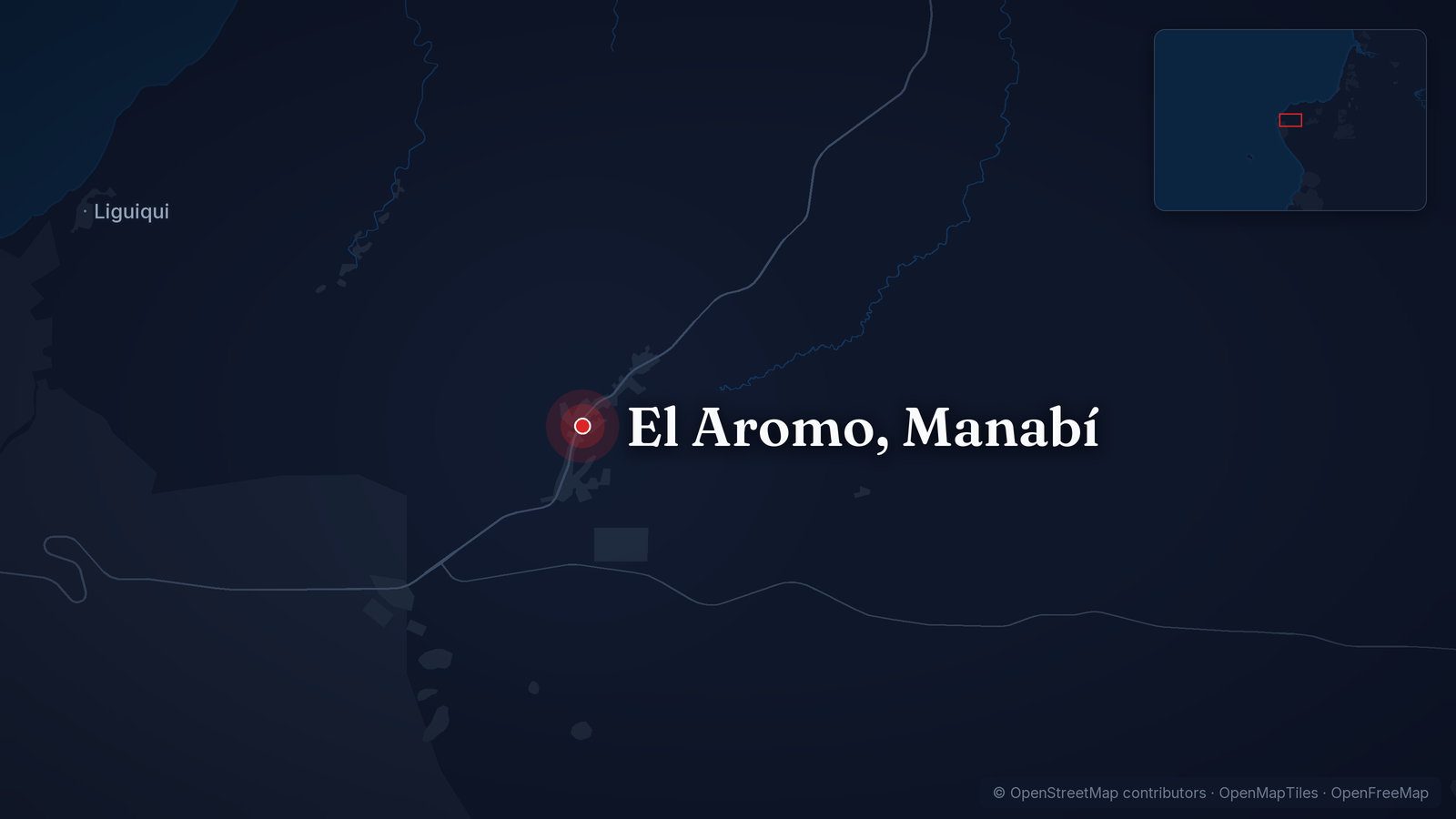
The investigation focused on the death of Carlos Germán Muñoz Jara, alias Charlie, and two other men during a military intervention in El Aromo, Manabí province, where Ecuadorian authorities identified Muñoz Jara as a high-ranking target with alleged links to Los Choneros and a dissident Colombian armed group of the FARC called Frente Oliver Sinisterra.
The Department of Defense said in a statement sent to The Times that American soldiers would not have participated and that the country takes “the allegations of misconduct by our partners” seriously.
The reports also said the suspension followed a meeting in Quito between Pentagon chief Pete Hegseth and Ecuadorian President Daniel Noboa in which both governments highlighted strengthening bilateral security cooperation and fighting transnational criminal organizations.
Gian Carlo Loffredo posted on X that “The Armed Forces of Ecuador, in cooperation with the U.S. Southern Command, within the framework of the internal armed conflict, have killed one of the military targets of highest value on Ecuadorian soil.”
Custody dispute and denials
The Atlantic and The New York Times reported that Washington was investigating whether alias Charlie and other suspects were killed while in Ecuadorian custody and whether U.S. military personnel participated.
The Department of Defense denied U.S. forces participated and said it takes “seriously the allegations of misconduct by our partners,” while The Atlantic reported that officials were still trying to determine whether the United States provided intelligence or other support.
Daniel Noboa countered the U.S. denial by writing on X that “Our Armed Forces, in cooperation with the Southern Command, carried out an operation in which the military target alias Charlie, a logistics and financial operator of international drug trafficking networks, was killed,” and he also reacted to the operation carried out two months earlier.
John Reimberg told Radio Centro de Quito that Ecuador and the United States maintain joint work to combat criminal structures, and he said, “We will continue working. We have a work plan with them,” while not expressly confirming or denying the alleged pause.
The New York Times also reported that the joint operations were already halted by mid-October, and Reuters said the Pentagon did not immediately respond to a request for comments.
Broader cooperation under strain
The reported suspension came as U.S. lawmakers pressed for scrutiny of Ecuador operations, with 13 Democratic lawmakers urging Secretary of State Marco Rubio to suspend U.S. military aid to Ecuador in November. Seven Democratic senators also demanded Pentagon answers about an earlier military intervention in Sucumbíos province that destroyed a dairy farm, where workers told The New York Times they were tied up and beaten by Ecuadorian soldiers. Human Rights Watch and Amnesty International documented allegations of human rights violations tied to the partnership, and Human Rights Watch’s Juanita Goebertus said that “intercepting fuel traffic at sea can be an important step to stop criminal groups, but that does not authorize security forces to arrest people without evidence, destroy their vessels, or abuse them.”
The reports said joint military operations began in March 2026 after Daniel Noboa authorized them on Ecuadorian soil, and the pause created uncertainty about the continuity of a main component of Noboa’s international security policy. The Department of Defense reiterated its commitment to work with sovereign partners, including Ecuador, to confront narco-terrorist networks, while the New York Times reported that Noboa did not sign an agreement to continue joint operations during Pete Hegseth’s visit.