Iranupdated 55m ago3 min read
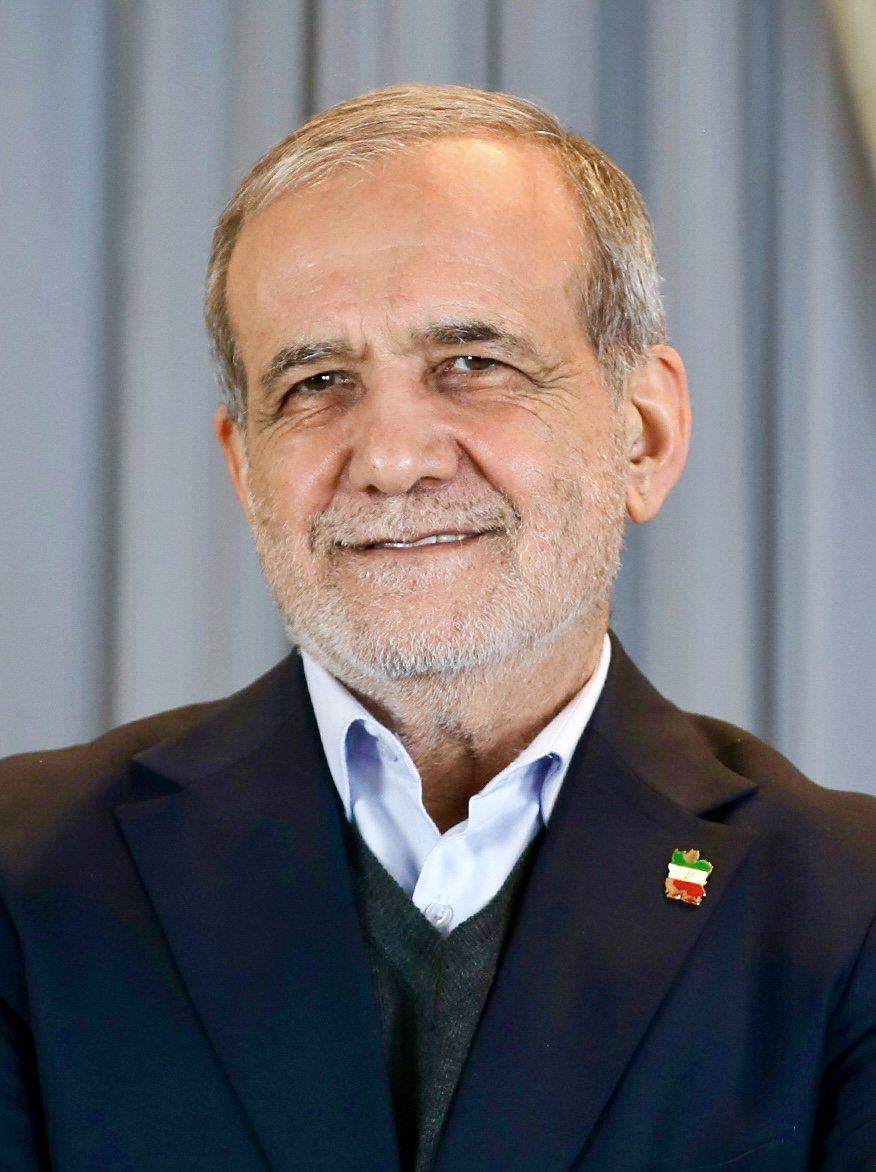
Archive photo · 27 December 2025Iran’s Pezeshkian Urges Electricity Conservation as Rolling Power Cuts Begin
4 Other3 West Asian2 Western Mainstream1 IsraeliPhoto: Khamenei.ir, CC BY 4.0 · Cropped for layout
This article is an automated aggregation of coverage from news outlets. Our editorials offer in-depth analysis curated by the NewsCord team.
Pezeshkian urged millions to conserve electricity amid worsening energy crisis. He appeared in a blue jacket at a dimly lit office.
Save coverage image
Al Jazeera was read line by line by the Watchdog: 3.0. See the score →
Power cuts and gas shortfall
Iran’s President Masoud Pezeshkian asked millions of Iranians to conserve electricity as authorities imposed rolling power cuts from Sunday, expected to last for about two hours every day. Iran’s national electricity company Tavanir head Mohammad Allahdad told state TV that "the electricity sector will be forced to impose distribution restrictions from Sunday," while Pezeshkian told ISNA news agency that "the attack on the country’s gas infrastructure has aggravated the situation and we should therefore expect difficulties this winter". Iran’s government spokeswoman Fatemeh Mohajerani warned last week that Iran’s gas shortfall could reach 430 million cubic metres a day this winter, compared with about 300 million in previous years.
Iran’s managing director Saeed Tavakoli said four processing plants had been damaged during the first phase of the conflict early this year, which initially reduced capacity by 230 million cubic metres, of which about 100 million had so far been restored. Al Jazeera reported that about 86 percent of the country’s electricity is usually generated from natural gas supplies, with oil-fired plants generating roughly 7 percent and hydropower accounting for about 5 percent.
Hormuz blockade hardening
Iran’s commander-in-chief of the Iranian Army, Major General Amir Hatami, ordered the Navy to tighten the blockade of the Strait of Hormuz until the United States meets the seven conditions demanded by Tehran, and he said, "Until the seven conditions of the Islamic Republic of Iran are met, not only will the Strait of Hormuz not be opened, but it should be closed more each day." The Iranian Foreign Ministry spokesperson Esmaeil Baghaei described the blockade as a "criminal act" and said, "Undoubtedly we will not tolerate this situation and we will use all means to counter the American aggression," while Trump warned that Iranian ships attempting to break it would go "to the bottom of the sea." Iran’s Foreign Ministry said Tehran would use "all means" to confront the blockade, and it also condemned the naval blockade as a "military aggression" in response to Trump’s threat.
UKMTO confirmed on Sunday at least one incident with a tanker in the Gulf of Oman, and the report said military forces had participated in the meeting. Iran’s Foreign Minister Abbas Araghchi said the Strait of Hormuz could reopen within two hours once the other party fulfilled its commitments, and Baghaei said the comment was meant to emphasize Iran’s willingness to act quickly.
Sanctions, cash squeeze, and risk
Kpler warned in October that Iran’s crude and condensate revenues could dry up by mid-December if the US naval blockade holds, and the report said Chinese buyers typically pay one to two months after delivery. The US Treasury sanctioned 22 entities and eight individuals under Operation Economic Outcast, targeting exchange houses, financial intermediaries and overseas companies it accused of helping Iran move money despite sanctions. The Financial Crimes Enforcement Network identified about $14.7 billion in financial activity potentially linked to Iranian shadow banking between January 2025 and August 2026, and FinCEN cautioned that its findings draw on reports from US financial institutions that do not themselves establish illegality.
Iran’s Central Bank Governor Abdolnasser Hemmati dismissed the measures in an interview with Tasnim, arguing that Washington had exhausted its options if it was targeting the exchange center. The Jerusalem Post quoted Donald Trump saying "Not one Iranian ship has gotten through the blockade since we established it," while Trump also called the US naval blockade "the greatest naval blockade in history".