Iranupdated 26m ago3 min read
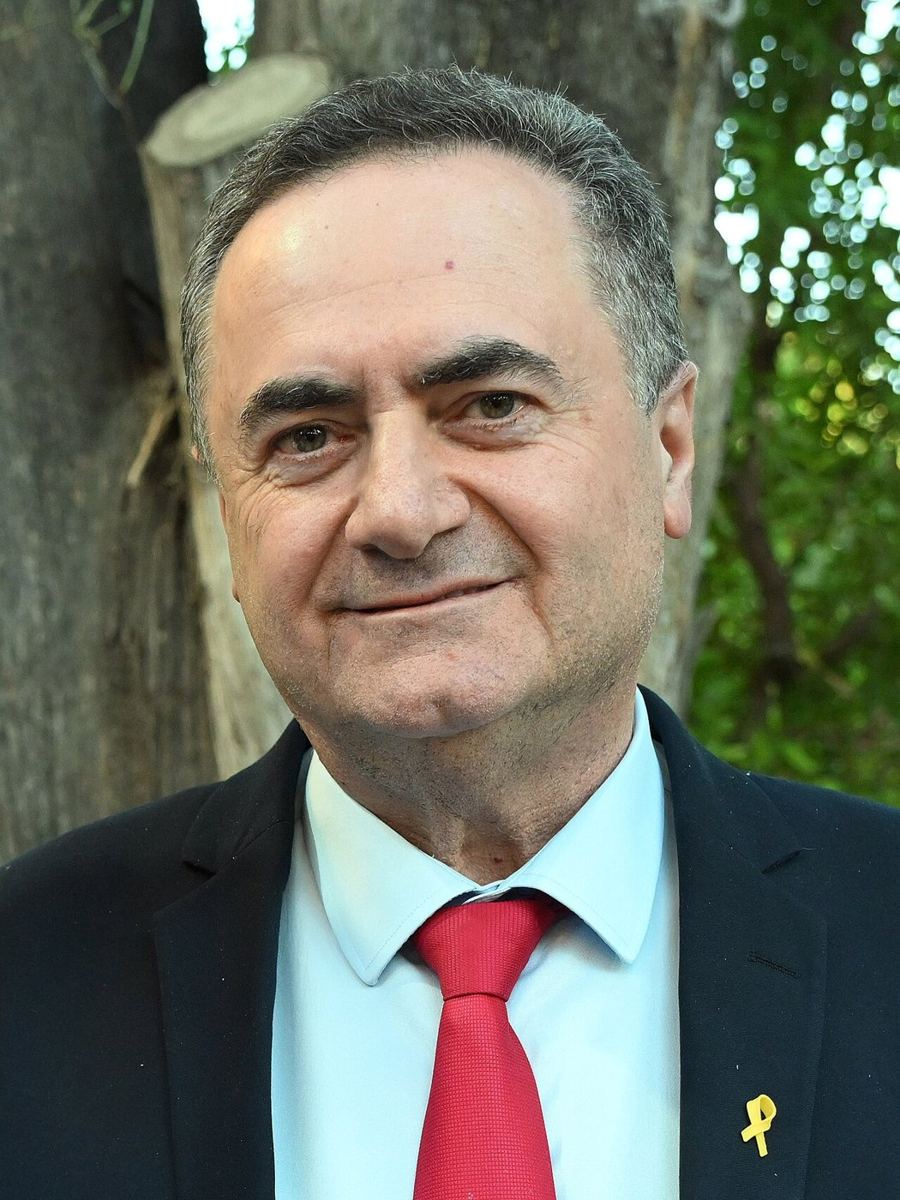
Archive photo · 3 July 2024Israel Katz Says IDF Must Block Iran’s Chemical Weapons Development Before Any Attack
5 Israeli5 West Asian5 Western Mainstream7 Other source typesPhoto: U.S. Embassy Jerusalem, CC BY 2.0 · Cropped for layout
This article is an automated aggregation of coverage from news outlets. Our editorials offer in-depth analysis curated by the NewsCord team.
Iran is developing chemical weapons and Israel vows to prevent Tehran. IDF must block Iran, preferably with US participation, before an attack.
Save coverage image
Fox News was read line by line by the Watchdog: 7.3. See the score →
Katz warns of chemical threat
Israeli Defense Minister Israel Katz said on Tuesday that the Israel Defense Forces must block Iran before the regime can attack Israel with chemical weapons, adding that Tehran does not presently possess the capability to attack Israel with those weapons. Katz told Israeli journalists that "Iran is in the process of developing chemical weapons," and he said the state of Israel "will not allow them to reach that capability." Katz also said the timing of any potential action would largely depend on when the Trump administration is prepared and willing to join such an operation, while he declined to specify the exact stage of development of the incipient threat.
“The state of Israel will not allow them to reach that capability.”
Katz said Iran seeks to develop a chemical weapons threat to restore its deterrence after suffering "losses" in the two previous rounds of the war, and he linked the concern to Israel and the United States preparing for a possible attack on Tehran. Katz reacted with annoyance to Avigdor Liberman’s comments after a briefing with IDF Chief of Staff, Lieutenant General Eyal Zamir, who said there was no basis for attacking Iran before the formation of a new government.
Preemption debate inside Israel
Katz said that if it becomes clear to Israel that the Iranians intend to attack Israel, Israel could ask the army to carry out a preemptive strike to thwart the threat, and he warned that if the Iranians attack first, that would be a failure.
Avigdor Liberman, president of the Foreign Affairs and Defense Committee of the Knesset, accused Prime Minister Benjamin Netanyahu of trying to precipitate an attack on Iran to influence the configuration of the next government.
Liberman argued that the Iranian chemical program poses a serious danger but does not justify immediate and independent military action without U.S. participation, and he warned that if the cabinet ordered a unilateral attack for political or personal reasons, such a decision should be considered manifestly illegal.
Katz harshly rejected Liberman’s remarks, calling them a shameful provocation and baseless that weakens the country’s strategic stance.
Iranian Foreign Minister Abbas Araghchi rejected the allegations, writing on X, "Enough propaganda reminiscent of the Iraq War, especially that which bears clear Israeli fingerprints. No one believes it."
Monitoring, readiness, and next steps
Katz said he has been monitoring the threat for months and decided to speak about it after information about it leaked to the media, while he said he has intelligence that Iran began developing chemical weapons after the Israel-U.S. joint military operation launched on February 28. Katz said Israeli security sources emphasize that the intelligence services of both countries have maintained constant monitoring of the suspected complexes on Iranian soil for several months, and he said operational plans are ready for a joint attack. Katz said Israel’s undisputed preference is to act in concert with the United States Central Command, commonly known by the acronym CENTCOM, and he said the opportune moment to strike would be closely linked to the readiness and willingness of the Donald Trump administration.
“‘Nobody is buying it,’ Araghchi wrote on X.”
The sources also described an internal disagreement about urgency, with Chief of Staff Eyal Zamir saying he does not see an urgent need to launch a new attack and with Avigdor Liberman saying there is no justification to attack Iran before forming a new government. The reporting placed the statements amid negotiations to form a government in Israel after late-October elections produced no firm majority, with Gadi Eisenkot receiving from President Isaac Herzog the mandate to form a government and with Netanyahu saying those who downplay immediate, serious, and grave threats do so for political reasons.