Full story
Disarmament vs Withdrawal
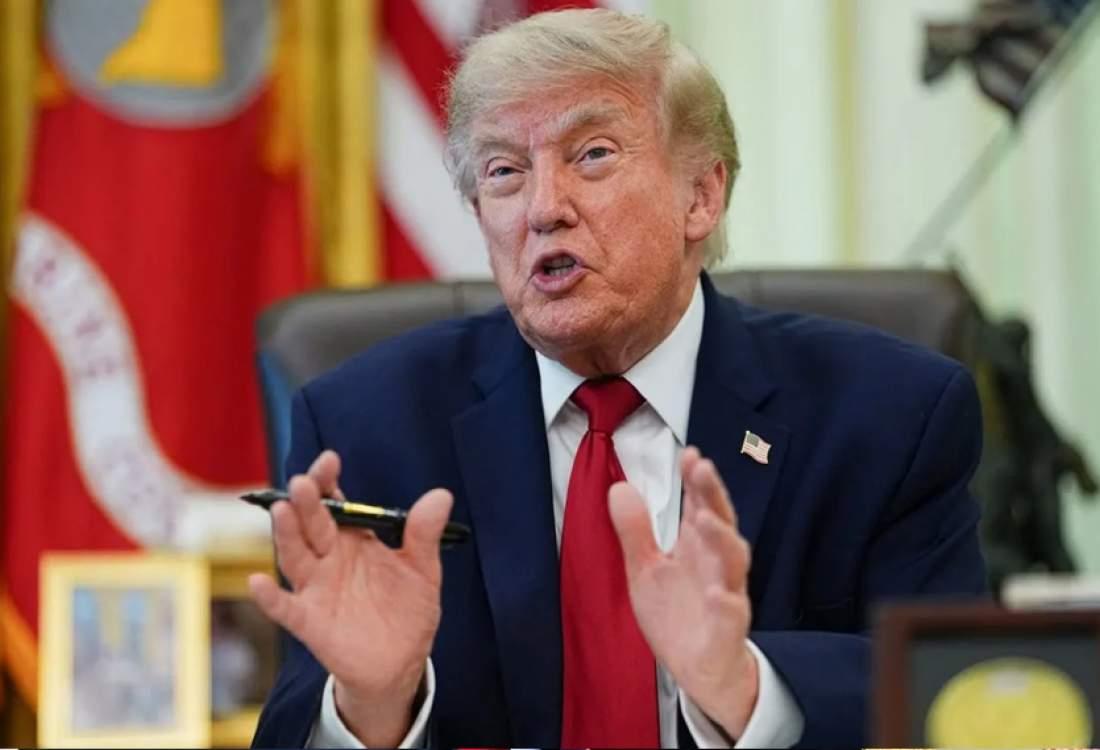
Donald Trump announced that the Peace Council had reached an agreement for the “complete disarmament of Hamas and all other armed groups in Gaza,” with Israeli forces to withdraw from Gaza “as disarmament is completed.”
“the Peace Council (created for the reconstruction of Gaza) has reached a historic agreement”
Hamas officials confirmed that an agreement had been found “concerning the weapons issue” and “a gradual withdrawal” of Israeli forces from Gaza, and they said they count on mediators and the Peace Council to guarantee compliance.
A senior Hamas official, Ghazi Hamad, said Hamas would not take steps toward disarmament before Israeli forces withdraw from the Gaza Strip, linking disarmament to Israel’s withdrawal and the territory’s reconstruction.
Hamad also said Israel would have no role in the disarmament process, which would instead be carried out by a Palestinian national committee, while Trump credited Egypt, Qatar and Türkiye for brokering the deal.
The BBC reported that an Israeli senior official said troops will not pull back in Gaza without the “genuine disarmament” of Hamas, framing the sequencing as a condition for withdrawal.
Israeli Hard-Line Pushback
Israeli politicians and the Israeli press met the disarmament-and-withdrawal terms with a “frosty reception,” and the BBC said Israel’s government had yet to officially comment while an unnamed senior Israeli official pointed to “the genuine disarmament of Hamas.”
Itamar Ben-Gvir denounced the draft as “unacceptable,” writing that “A commitment to stop the assassinations of [Hamas’s] murderers is tantamount to agreeing to Hamas organising for the next massacre,” and he added that “The assassinations in Gaza must continue, the encouragement of emigration must happen. Israel must win.”

The BBC reported that Hamas said handing over heavy weapons was contingent on Israel ending “all forms of aggression” and withdrawing its forces from Gaza, while Trump insisted Israel was “very happy” with the proposed agreement.
In a separate AFP account, Ghazi Hamad said Hamas made “concessions for the good of our people in the Gaza Strip, in order to save them from death and displacement,” and he said “Israel will not intervene in the disarmament issue.”
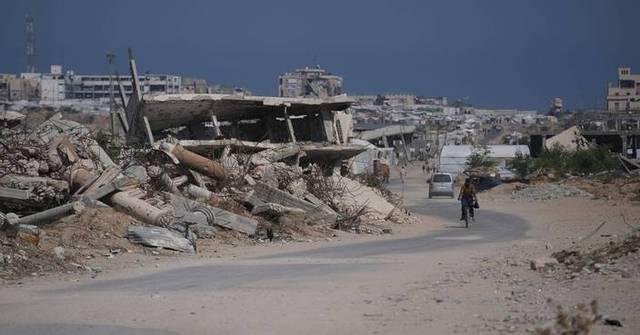
The BBC also quoted Tala, an 18-year-old living in a tent after her home was destroyed, saying “every time people hear about a possible ceasefire, we hope that it will finally end,” but warning that broken promises “creates more fear.”
Roadmap, Verification, and Risk
The agreement’s implementation is tied to a phased ceasefire framework and a new governance and security architecture, with the Peace Council roadmap describing disarmament, gradual Israeli withdrawal, and the deployment of an international stabilisation force.
“the only entity authorized to possess, store, or control weapons in Gaza”
The BBC said the Board of Peace published a roadmap reaffirming phased disarmament, a gradual Israeli withdrawal, and “the deployment of an international stabilisation force,” while Trump said the weapons would be handed over to the Board of Peace.
Al Jazeera reported that Hamas said the weapons must be handed over to the National Committee for the Administration of Gaza (NCAG), which would be “the only entity authorized to possess, store, or control weapons in Gaza,” but Egyptian and Palestinian media said the NCAG cannot access the Gaza Strip.
In a separate AFP account, the agreement’s sequencing was described as a “difficult and tough” negotiation, with Hamad saying Hamas would not implement disarmament measures unless Israel first fulfills its obligations under the agreement.
The stakes are immediate and political as well as operational, with the BBC reporting that UK Foreign Secretary Ed Miliband said the focus must be on implementing the full 20-point peace plan, including “withdrawal of the IDF from Gaza and respect for the ceasefire by all parties,” while Israel’s ambassador to the UN, Danny Danon, told CNN that Israel is “looking forward to implementing” the deal but must “verify what they [Hamas] are doing, not what they are saying.”