Ukraine War23 October, 20252 min read
Trump Cancels Summit with Putin Citing Stalled Negotiations and Lack of Progress
President Trump canceled the planned summit with Putin due to stalled negotiations and lack of progress. Russia launched a large-scale drone and missile attack on multiple Ukrainian cities, killing at least six civilians.

20 outlets told this the same way.
Outlets did split on Russian Attack Kills At Least 33 On Two Buses In Kramatorsk →
Trump-Putin Summit Cancellation
Donald Trump canceled a planned summit with Vladimir Putin, citing stalled diplomatic negotiations and lack of progress. He also mentioned that the meeting “didn’t feel right,” making it pointless. Some outlets quoted him calling it a “wasted meeting.”
“US President Donald Trump canceled a planned summit with Vladimir Putin, labeling it a ‘wasted meeting,’ while the Kremlin rejected ceasefire proposals from Trump and European leaders.”
Other reports suggest the cancellation was due to timing and preparation, noting that both sides did not want to rush. There are no immediate plans to reschedule the summit.

Mainstream analysis links the cancellation, alongside intensifying Russian attacks, to dim prospects for a negotiated end to the war. Meanwhile, the Kremlin publicly signals interest in a future summit and blames outside actors for complications.
Ceasefire and Negotiation Disputes
Accounts differ on the ceasefire and negotiation context surrounding the canceled summit. Several sources report that Trump and European leaders urged Russia to accept a ceasefire along current front lines, but the Kremlin refused. Moscow remains unwilling to negotiate according to these reports.
Other sources describe Russia's demand that Ukraine cede the southeastern Donbas region, which conflicts with Trump's suggestion to maintain current lines. Ukrainian officials and local media state that Putin refuses to compromise despite Kyiv's offer of a ceasefire and direct talks. Meanwhile, U.S. officials indicate there are no immediate plans for talks with Moscow.
Recent Conflict and Strikes
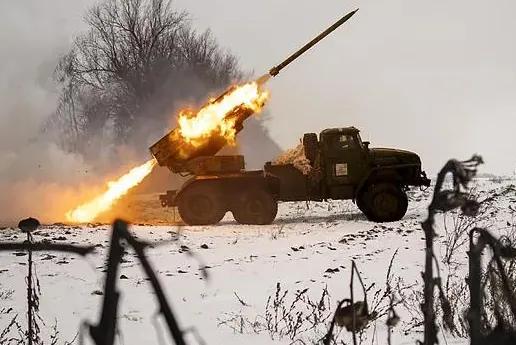
The backdrop is escalating warfare. Reports vary on casualties from Russian strikes: some note at least six people killed, including children and a family in Kyiv, while others say seven, including two children. Outlets detail attacks on energy infrastructure, residential buildings, and a kindergarten, producing widespread power and water outages.
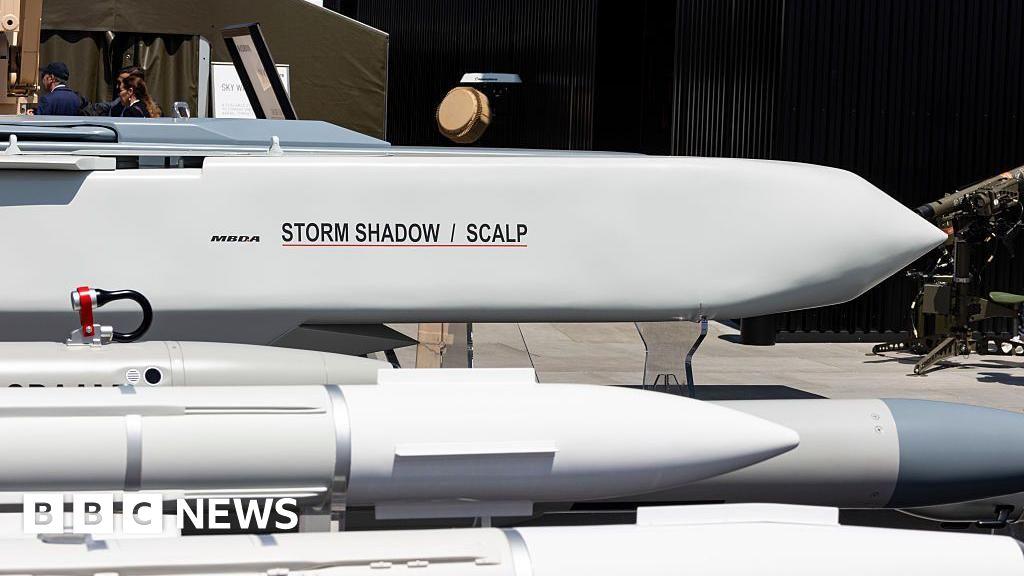
“Ukraine recently used British Storm Shadow missiles to strike a Russian chemical plant involved in munitions production... Overnight Russian attacks on Kyiv region killed at least six civilians.”
In parallel, Ukraine struck Russian military-industrial targets, including a chemical or weapons plant near Bryansk, using UK-supplied Storm Shadow missiles. These moves are presented as efforts to degrade Russia’s war-making capacity.
Divergent Views on Meeting Cancellation
Political narratives around the scrapped meeting are sharply divergent. El País reports that Trump said he and Putin “hate each other.” The same source quotes Peskov as wanting a summit in Hungary but needing more preparation.
Peskov also accuses Kyiv and European powers of trying to sabotage the meeting. Other outlets emphasize the process over politics. Newsradio 1040 states that both sides wanted more preparation and confirms there are no plans to reschedule.
Some coverage portrays Trump as continuing peace efforts. However, major U.S. outlets argue the cancellation highlights the low likelihood of a negotiated settlement.
Ukraine's Defense and Diplomacy Updates
Diplomacy and rearmament are progressing simultaneously. EA WorldView reports that Ukraine is urging its partners for defense agreements and long-term security guarantees. Norway has committed an additional $150 million to support Ukraine's winter energy needs.
“Norway... has pledged an extra $150 million in energy support for the winter. Ukrainian leadership emphasized the importance of sanctions, enhanced military capabilities, and coordinated diplomacy to pressure Russia and advance peace efforts.”
WHEC and Sky News emphasize Kyiv’s strengthening defense relationships, including Storm Shadow missile strikes and potential purchases of Gripen fighter jets. NATO remains alert as Russia conducts nuclear exercises. CBC reports that Ukraine is seeking Patriot air defense systems while President Zelenskyy has offered drones in exchange for Tomahawk missiles.
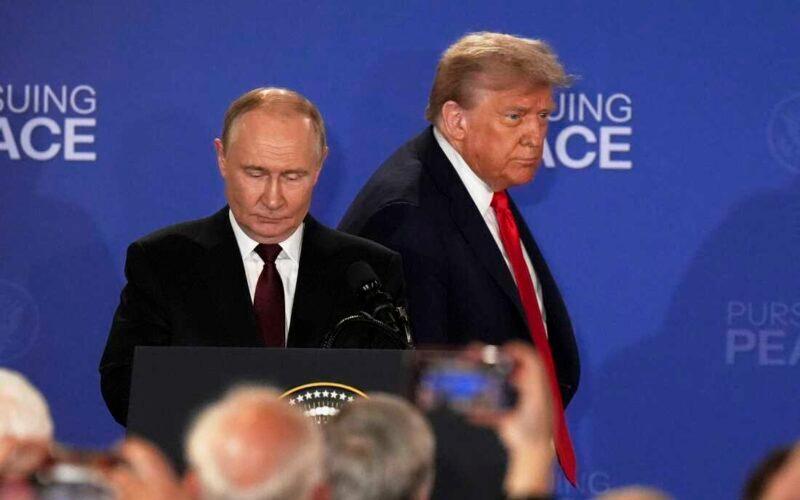
Newsweek recalls a previous summit between Trump and Putin that failed to achieve progress and criticizes Trump’s inconsistent policies. This history reinforces why officials currently indicate there are no immediate plans for new negotiations.