South America01 November, 20253 min read
Trump Escalates Venezuela Standoff Ignoring Regional Opposition to U.S. Military Threats
This article is an automated aggregation of coverage from news outlets. Our editorials offer in-depth analysis curated by the NewsCord team.
Tulsi Gabbard declared the end of US regime change policy under Trump at Manama Dialogue. Trump escalated military threats against Venezuela despite regional opposition and fragmented responses.

7 outlets told this the same way.
Outlets did split on Brazil Police Kill Suspect After 13 Kindergarteners Held Hostage In Curitiba →
US-Venezuela Political Tensions
U.S.–Venezuela tensions intensified under Donald Trump as Washington expanded military activities near South America and Caracas accused the U.S. of covert efforts to topple Nicolás Maduro. Evrim Ağacı reports that in October Maduro accused Washington of “plotting a coup disguised as an anti-drug campaign” while a Caribbean “military buildup… officially aimed at counter-narcotics” deepened regional suspicions. Associated Press reports Trump’s actions included deploying warships and authorizing CIA operations against Venezuela, raising concerns about a possible invasion.
“In October, Maduro accused the U.S. of plotting a coup disguised as an anti-drug campaign near Venezuela’s coast, amid reports that the U.S. tried to recruit Maduro’s pilot for a kidnapping plot.”
The Japan Times adds that as Trump increased pressure on Venezuela, Latin American governments remained divided and unable to coordinate a unified response, with Maduro’s appeals for solidarity largely ignored. The Times of India’s broad digest notes ongoing political analysis of U.S. foreign policy, placing the Venezuela standoff within a wider news cycle.
Regional Views on U.S. Intervention
Regionally, reactions are split between opposition to U.S. intervention and support for it as a path back to democracy. Evrim Ağacı says the escalation “exposed divisions,” noting Maduro’s call for Latin American solidarity against U.S. intervention even as many in the region view U.S. military action as a potential way to restore democracy. The Japan Times similarly reports governments remain divided and cites a poll showing many now see U.S. military intervention as the best way to restore democracy in Venezuela, while observing that Maduro’s appeals were largely ignored.
AP underscores the climate of fear by noting deployments and CIA operations raising invasion concerns, situating pro- and anti-intervention sentiment against the backdrop of tangible U.S. military pressure. The Times of India situates the debate within a wider slate of global headlines, noting ongoing political analysis of U.S. foreign policy.
US Politics and Venezuela Coverage
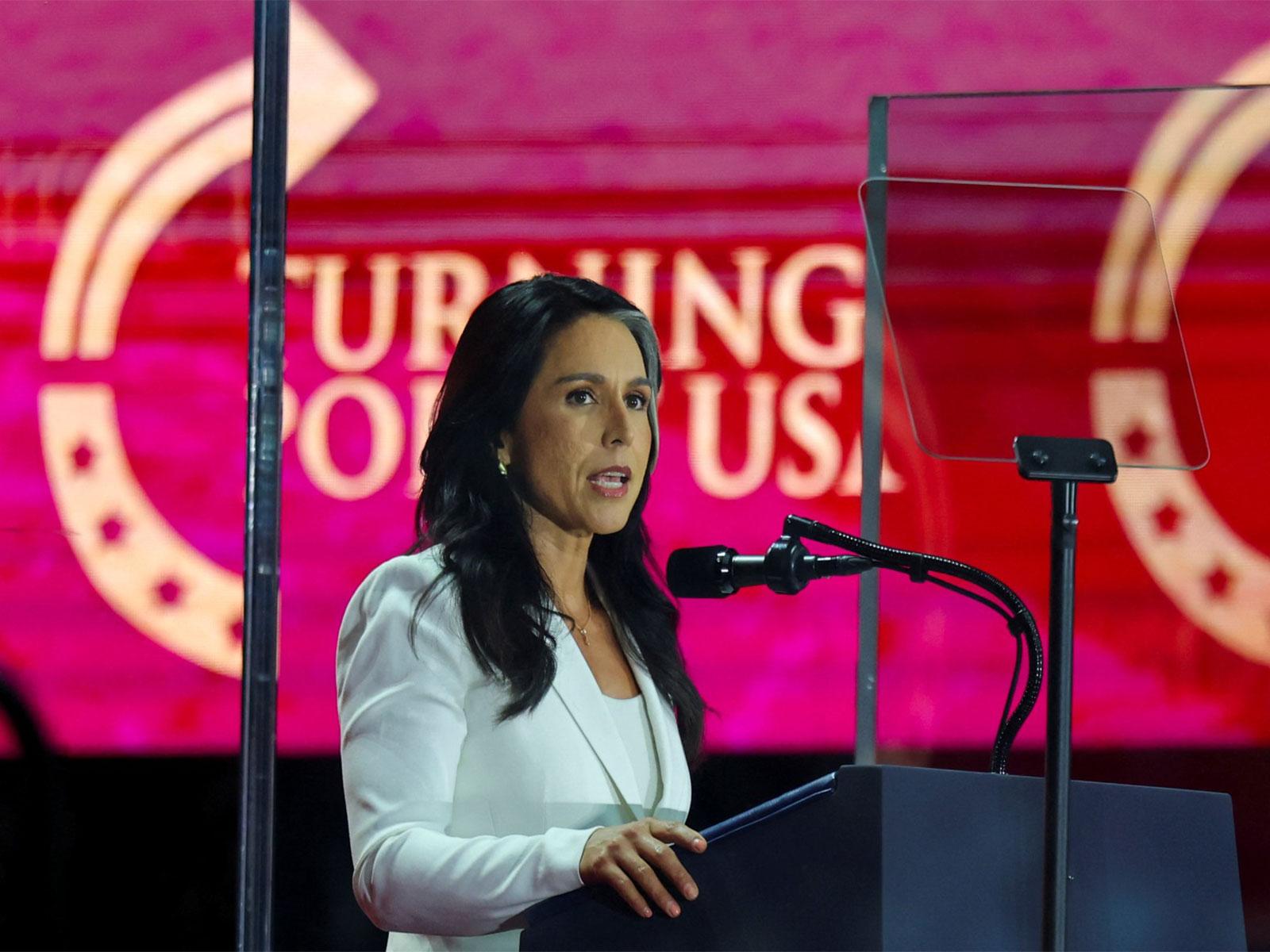
U.S. domestic politics and policy framing further complicate the standoff. Evrim Ağacı highlights critics who point to a prolonged shutdown threatening millions with loss of food assistance even as Washington pours significant spending on military operations near Venezuela. AP notes that amid a U.S. government shutdown, Tulsi Gabbard highlighted the complexity of these issues and reported her statement that the U.S. has ended its prior regime change or nation building policy under Trump.
“Meanwhile, critics highlight the contrast between the U.S. government’s domestic struggles—such as a prolonged shutdown threatening millions with loss of food assistance—and its significant spending on military operations near Venezuela.”
The focus has shifted toward economic prosperity and stability despite AP’s own account of warships and CIA operations that raised invasion concerns. The Japan Times underscores the need for quality journalism amid widespread misinformation. The Times of India flags broad political analysis of U.S. foreign policy, showing how meta-coverage and domestic framing color perceptions of the Venezuela escalations.
Global Views on Venezuela Crisis
Broader geopolitical coverage shapes how the Venezuela standoff is perceived. AP places Venezuela alongside other flashpoints, mentioning Middle East challenges such as a fragile Gaza ceasefire and concerns over Iran’s nuclear program. AP also highlights press freedom issues, including Bahrain revoking an AP journalist’s visa, while detailing Trump-era actions near Venezuela.
The Japan Times focuses on Latin America’s coordination failures and shifts in public opinion, emphasizing the importance of credible reporting. In contrast, The Times of India offers a multi-topic digest that notes political analysis of US foreign policy but lacks detailed coverage of Venezuela.
Evrim Ağacı provides a region-specific account of coup accusations and a counter-narcotics military buildup in the Caribbean, which has increased suspicions. Together, these perspectives illustrate an escalatory U.S. stance facing a fragmented region and a contested information environment.