Iran15 July, 20263 min read
Trump Meets Ali Al-Zaidi as Pete Hegseth Warns Iraq to Disarm Iran-Aligned Militias
This article is an automated aggregation of coverage from news outlets. Our editorials offer in-depth analysis curated by the NewsCord team.
U.S.-Iran escalation continues, with officials signaling potentially more aggressive force against Tehran. Strait of Hormuz remains threatened, disrupting shipping and heightening energy-security concerns.
Al Jazeera was read line by line by the Watchdog: 3.6. See the score →
Iraq caught between Washington and Tehran
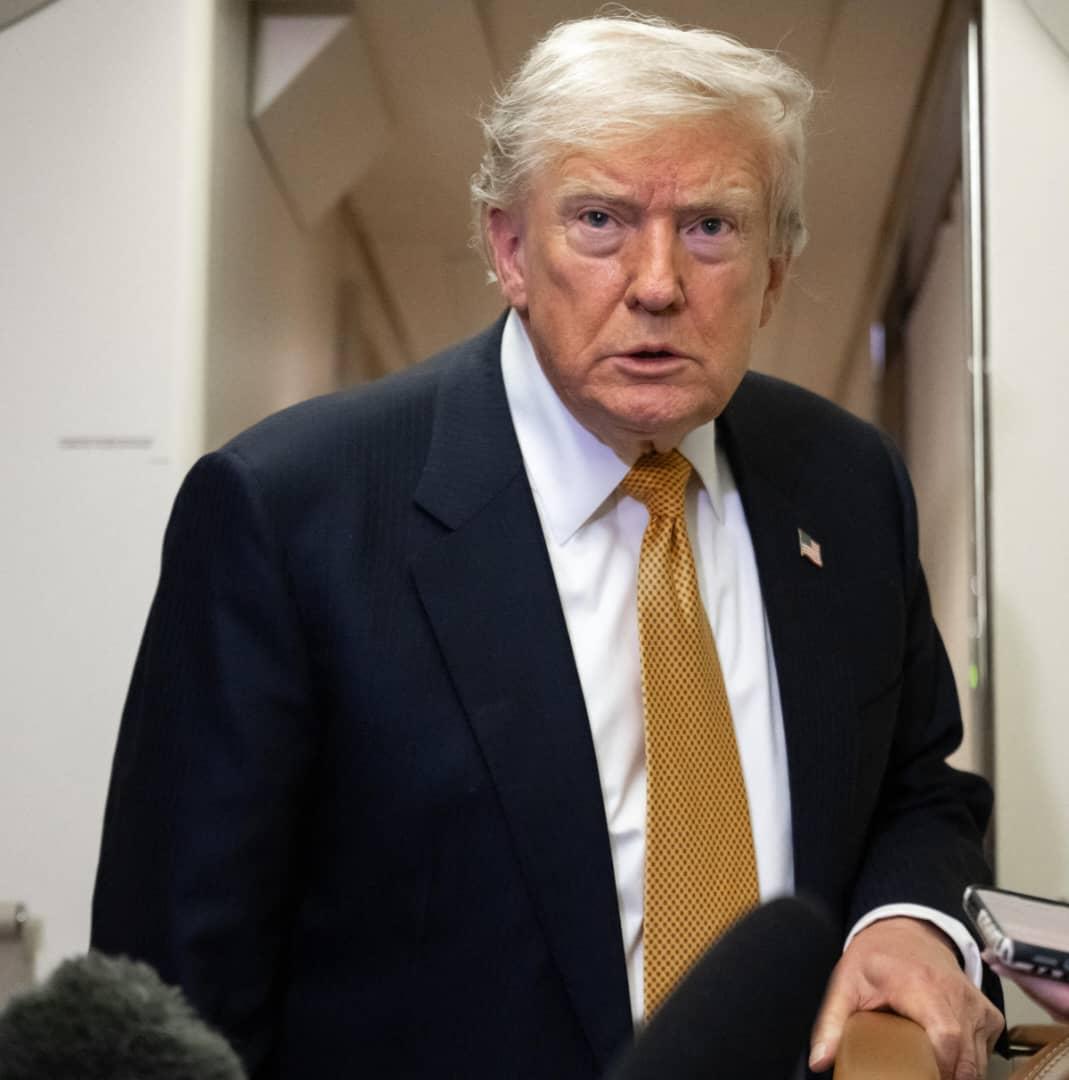
At the White House on Tuesday, U.S. President Donald Trump met Iraq’s visiting prime minister, the 40-year-old Ali al-Zaidi, and described him as “young”, “handsome” and as someone he wanted to work with.
Later that day, U.S. Secretary of Defense Pete Hegseth warned Iraq to disarm Iran-aligned armed groups in the country as the war between the US and Iran intensifies again.

Trump and al-Zaidi pledged to deepen economic ties and boost Iraq’s oil output, while a well-informed source told Al Jazeera that meetings of Iraqi officials with U.S. administration officials and the International Monetary Fund (IMF) have also been planned.
Al Jazeera reported that both al-Zaidi and Trump said remaining U.S. forces in Iraq, believed to number fewer than 2,000, would completely withdraw from Iraq by September 30, the same date al-Zaidi pledged that armed factions active across Iraq would disarm.
In the same sequence of pressures, Hegseth met al-Zaidi and posted on X that Iraq “must assert its sovereignty and disarm the Iran-aligned militias” that he blamed for frequent attacks on U.S. forces.
Militias signal readiness for war
As Iraq weighs Washington’s demands, Kataib Hezbollah, described by Al Jazeera as part of Iran’s “axis of resistance,” said it was ready to join the war against the U.S. if needed. Al Jazeera quoted Kataib Hezbollah official Abu Mujahid al-Assaf saying, “If a war is launched against the Islamic Republic of Iran, the participation of the resistance forces will be immediate and certain.” The same Al Jazeera report framed the stakes for Baghdad as a balancing act between the United States and Iran that it cannot afford to jeopardise, with Inna Rudolf telling Al Jazeera that “Baghdad is courting Washington, but it will not tolerate its territory being used as a launching pad for attacks against Iran.”
Al Jazeera also described how Iran-aligned paramilitaries and political networks remain influential inside Iraqi state institutions and parliament, creating what Rudolf called a dual-track relationship. Against that backdrop, the report noted that for the funeral of former Iranian Supreme Leader Ayatollah Ali Khamenei, an official reception was held at Najaf International Airport in Iraq, followed by public processions in Najaf and Karbala.
Hormuz escalation and economic pressure
While Iraq’s diplomacy faces U.S. pressure, the Strait of Hormuz has become a central flashpoint in the broader U.S.-Iran escalation described by Middle East Eye.
Middle East Eye said the 14-point document signed on 17 June included Article 5 on shipping traffic, with Iran interpreting it as giving it the right to direct traffic, while the U.S. understood it as meaning Iran was obliged to reopen the strait fully and unconditionally.
The outlet reported that when the U.S. began directing ships to a southern corridor along Oman's coast, Iran issued warnings and ultimately fired on vessels, and it added that the U.S. struck Iran for a third consecutive night, killing at least three people.
Middle East Eye also reported that Trump reinstated a blockade of Iranian shipping in the Gulf and that “Conflict is almost certain to persist.”
In a separate economic framing, TF1 Info said Washington has been imposing a blockade on ships coming from or bound for Iranian ports since Monday and quoted U.S. Defense Secretary Pete Hegseth warning on Thursday, April 16 that the U.S. would maintain its blockade of Iranian ports “for as long as it takes,” while Tehran still blocks the Strait of Hormuz.