Full story
Trump pauses Iran strikes
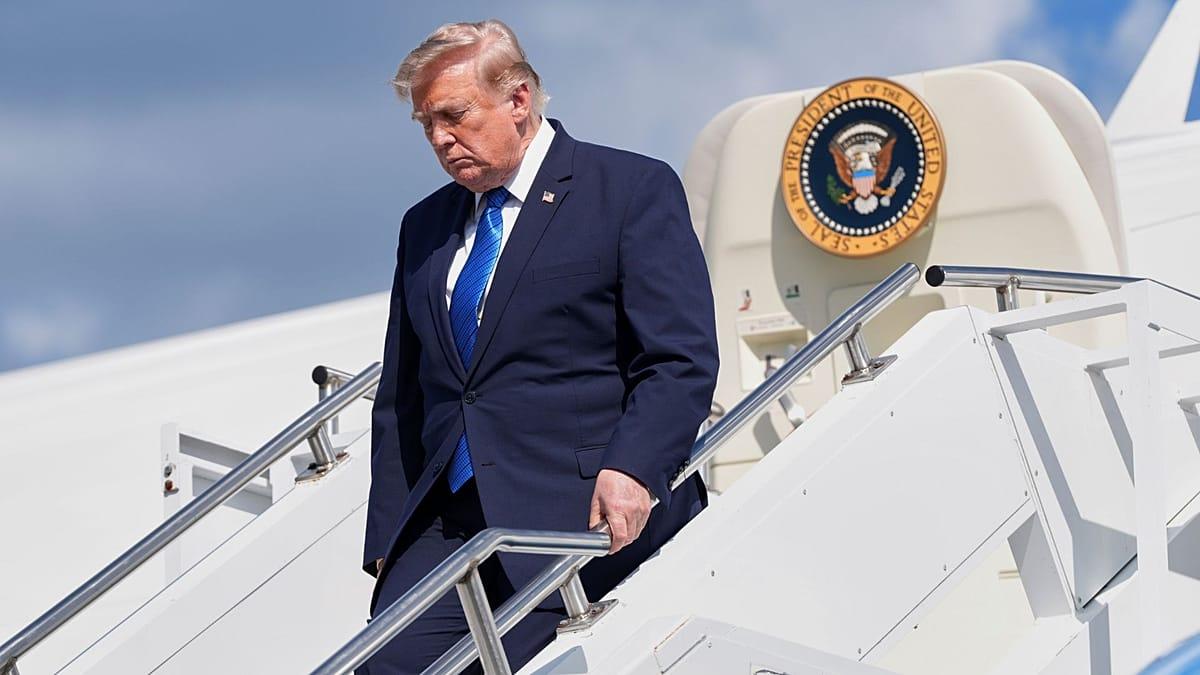
U.S. President Donald Trump said he will order American forces to hold off on new strikes against Iran after “parameters” were reached for a deal to end the 5-month old war, with the emerging framework tied to reopening the Strait of Hormuz.
“Trump says he will order American forces to hold off on new strikes against Iran”
In a Saturday evening social media post, Trump said the proposal “would include the Immediate, Complete, and Total OPENING OF THE HORMUZ STRAIT, and an end to Iran’s nuclear threat,” and he added, “to cancel the attack, subject to being able to rapidly make a DEAL.”

Iran’s Foreign Ministry spokesperson Esmail Baghaei said on Sunday that the Strait of Hormuz “will in no way return to the status it was before February 28th,” the day the war started, and he said Iran is discussing shipping through the strait with Oman.
A regional official involved in mediation efforts told the Associated Press that the proposal calls for reopening the Strait of Hormuz and halting attacks across the region, including by Iranian-backed militias in Iraq on the Arab Gulf countries and Jordan, while the U.S. would end its naval blockade on Iran and allow Tehran to export its oil as stated in the tentative ceasefire deal.
Competing claims on talks
Iranian state media and officials disputed the premise of Trump’s pause, with News18 reporting that Iran said “there is no agreement regarding the reopening of the Strait of Hormuz” and dismissing Trump’s claims as false.
News18 also quoted an Iranian defense minister saying, “The U.S. is not in a position to attack us militarily,” framing the threats as “more psychological cover for failure than operational strategy.”
At the same time, the BBC reported that Abbas Araqchi said negotiations between Iran and the Sultanate of Oman regarding the Strait of Hormuz have entered their final stages, and it quoted Iran’s Foreign Ministry spokesman Ismail Baghaei saying, “Under no circumstances will the Strait of Hormuz return to its previous state.”
The BBC further said mediators are seeking to revive the Islamabad Memorandum of Understanding signed in Islamabad, which paused the Iran-U.S. war for a period in June, and it quoted Hassan Qashqavi saying, “there are ongoing efforts, especially by the mediators, to revive the Islamabad agreement consisting of 14 points.”
Oil, shipping, and politics
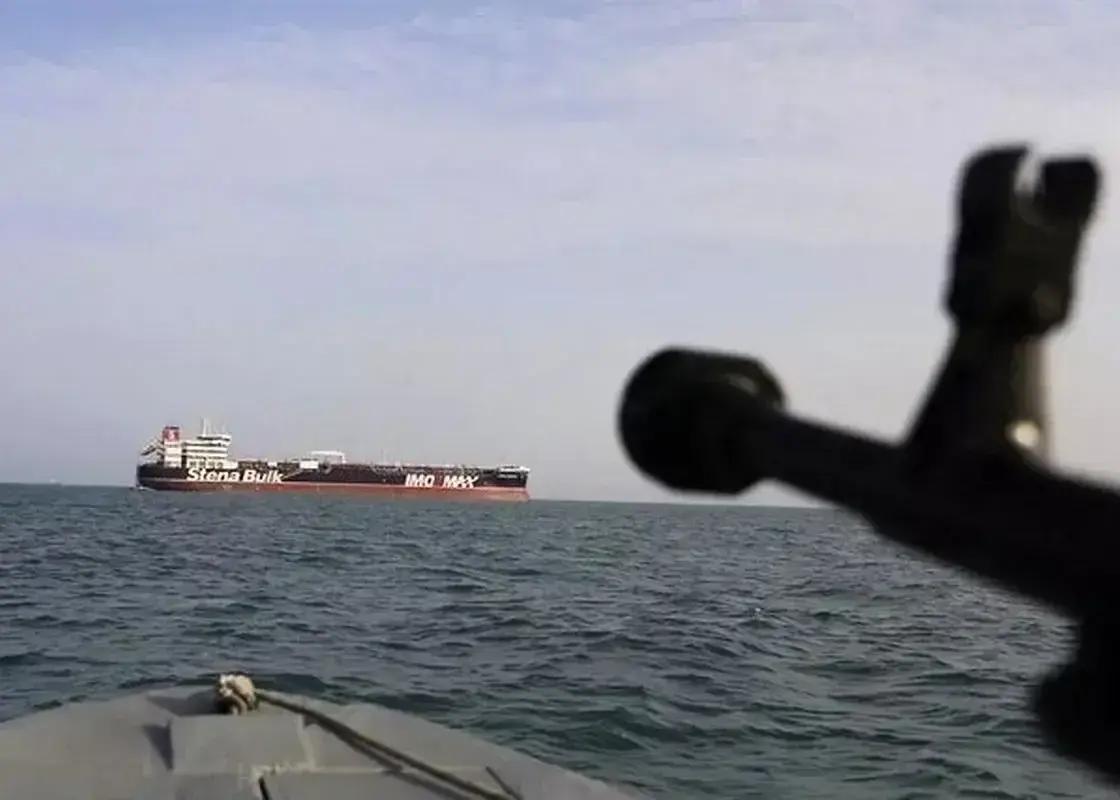
The dispute over Hormuz reopening is unfolding alongside U.S. and regional military and economic pressures, with CENTCOM saying it had redirected 35 merchant ships, disabled two others, and boarded two during its blockade of Iranian ports.
“As of Aug. 2, CENTCOM had redirected 35 commercial vessels, disabled two, and boarded two”
CNN reported that the collapse of the initial US-Iran ceasefire last month has been followed by greater disruptions to global shipping in the strait and elsewhere in the region, and it said Americans are facing high gas prices as a result.
CNN also said OPEC+ agreed to increase oil production in September in light of the disruptions to the energy market, and it reported the group will raise daily output by another 188,000 barrels a day.
In parallel, the BBC said Trump announced the pause on a new attack on Iran after what he described as a “request” from Tehran and other Middle East countries for time to reach an agreement that would lead to the immediate, complete, and comprehensive reopening of the Strait of Hormuz and the end of the Iranian nuclear threat, while Iran’s Mehr News Agency denied that Tehran asked Washington to refrain from attacking it.