South America09 October, 20252 min read
Trump Orders US Military to Kill 21 on Venezuelan Boats Without Congressional Approval
This article is an automated aggregation of coverage from news outlets. Our editorials offer in-depth analysis curated by the NewsCord team.
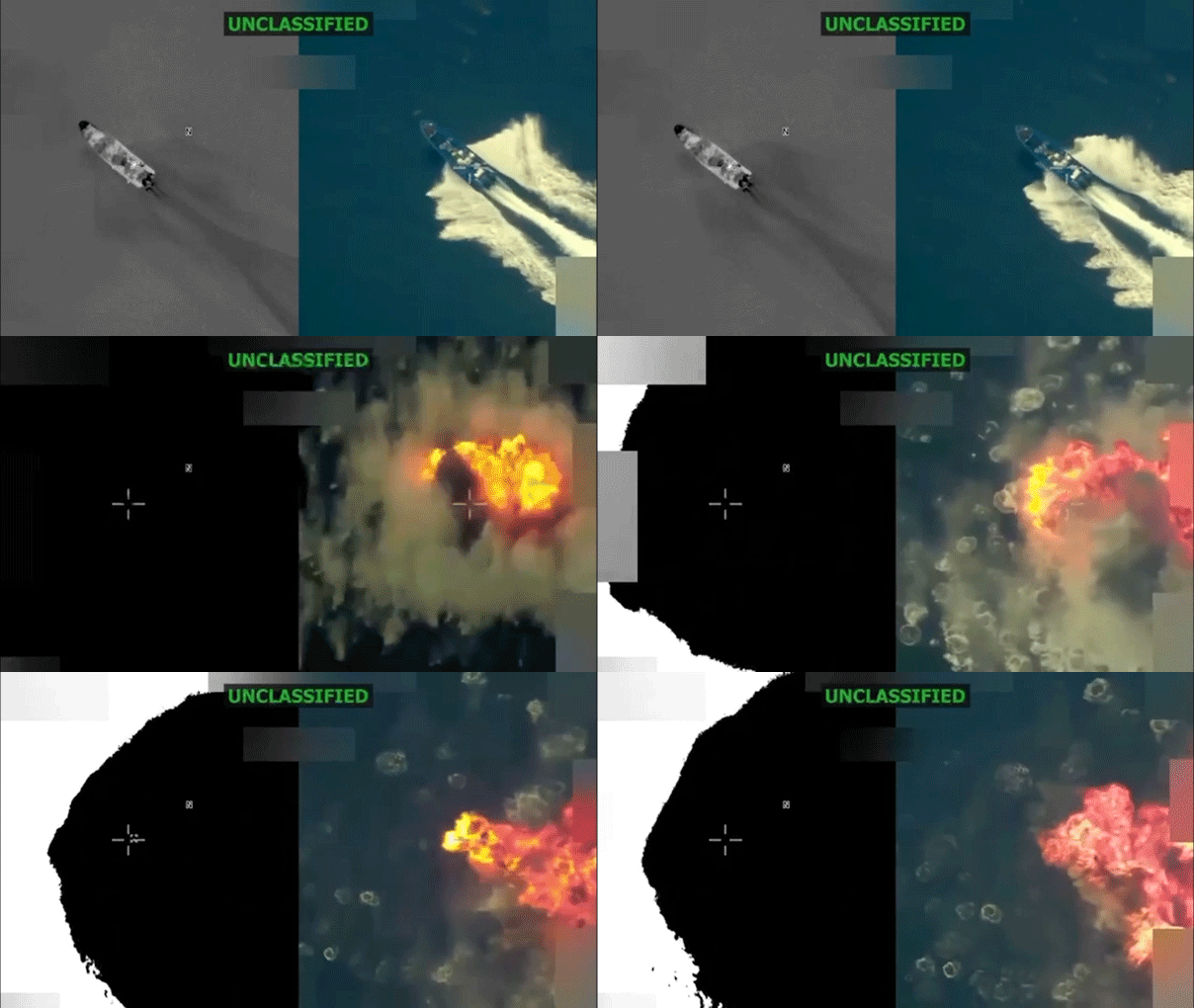
U.S. military killed at least 21 people in strikes on boats off Venezuela's coast. Senate failed to pass resolution limiting Trump's authority to conduct military strikes.
5 outlets told this the same way.
Outlets did split on Brazil Police Kill Suspect After 13 Kindergarteners Held Hostage In Curitiba →
U.S. Military Strikes in Caribbean
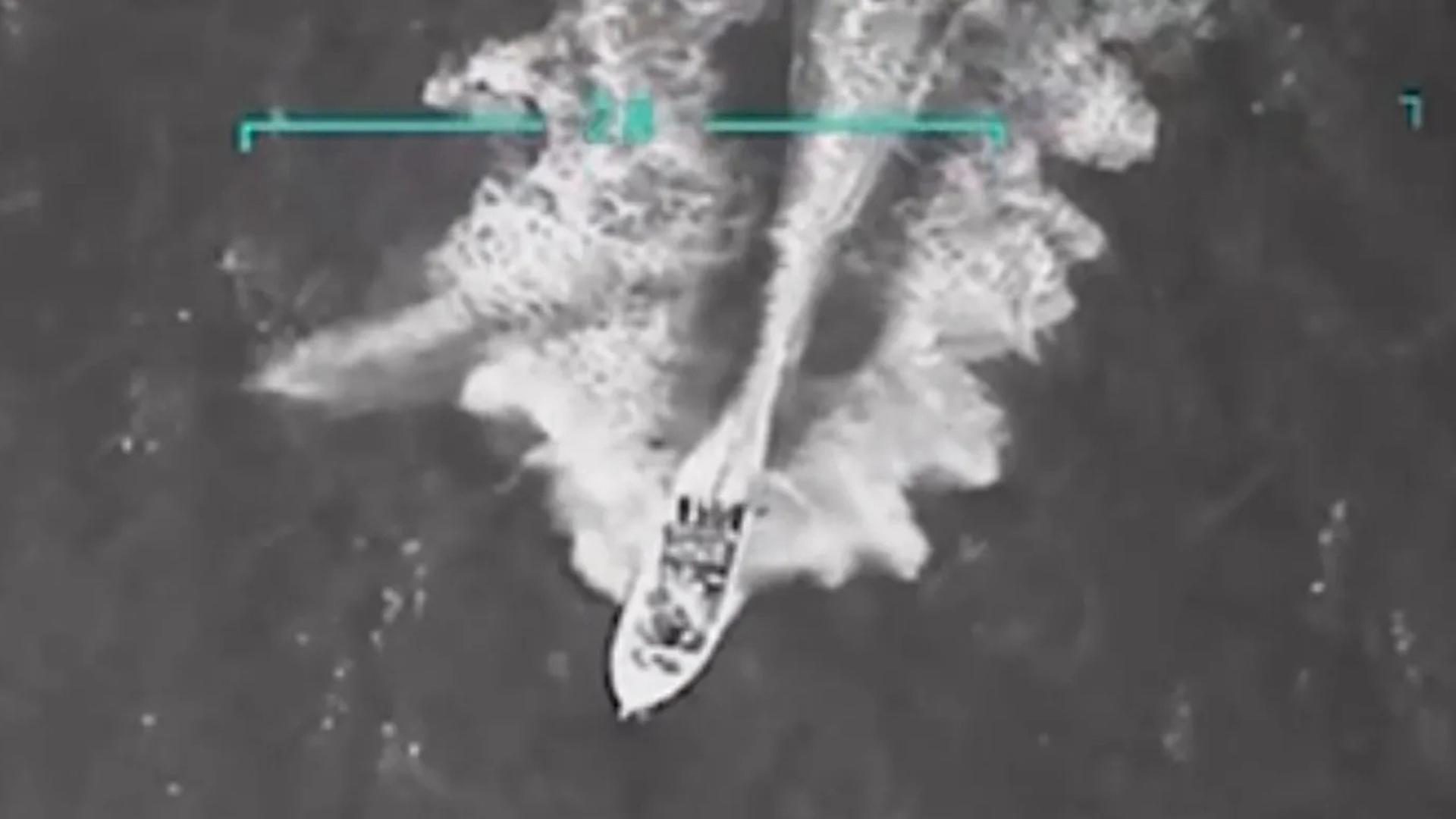
The story centers on U.S. military strikes against suspected drug-trafficking boats off Venezuela. These actions are part of a broader Caribbean escalation under President Donald Trump. Al Jazeera reports that these strikes have killed at least 21 people.
“Trump has escalated military actions against drug cartels in the Caribbean and Latin America, including strikes on suspected drug-trafficking boats that have killed at least 21 people.”
Mid-day notes that on October 11, 2025, the UN Security Council held an emergency meeting after the U.S. conducted deadly military strikes on four boats allegedly carrying drugs from Venezuela. Latin Times situates the campaign in the Caribbean and off Venezuela, stating the Trump administration has intensified strikes on small trafficking boats off Venezuela.
Officials present the missions as major anti-smuggling efforts. Together, the sources depict a lethal operation focused on Venezuelan waters that triggered swift UN scrutiny.
US Military Authority Debate
A central dispute is authority over military action against drug cartels. Al Jazeera reports that Senate Republicans rejected a bill aimed at limiting President Donald Trump's authority to use military force against drug cartels without Congressional approval. Democrats are seeking to end unauthorized hostilities in this context.
The administration classifies the campaign as a non-international armed conflict and labels some targets as unlawful combatants. Mid-day reports that the U.S. justification for the campaign is self-defense against violent drug cartels. Latin Times highlights the White House's stance, with Trump stating readiness to use all American power to prevent drugs from entering the country.
Geopolitical Tensions in Venezuela
Motives and geopolitical stakes are sharply contested. Latin Times reports experts and former diplomats argue the strikes are less about stopping drug smuggling and more about applying political pressure on Venezuelan President Nicolás Maduro, whom Washington does not recognize as legitimate. The report also references efforts to disrupt the Cartel de los Soles.
“Experts and former diplomats suggest these actions are less about stopping drug smuggling and more about applying political pressure on Venezuelan President Nicolás Maduro, whom the U.S. does not recognize as legitimate.”
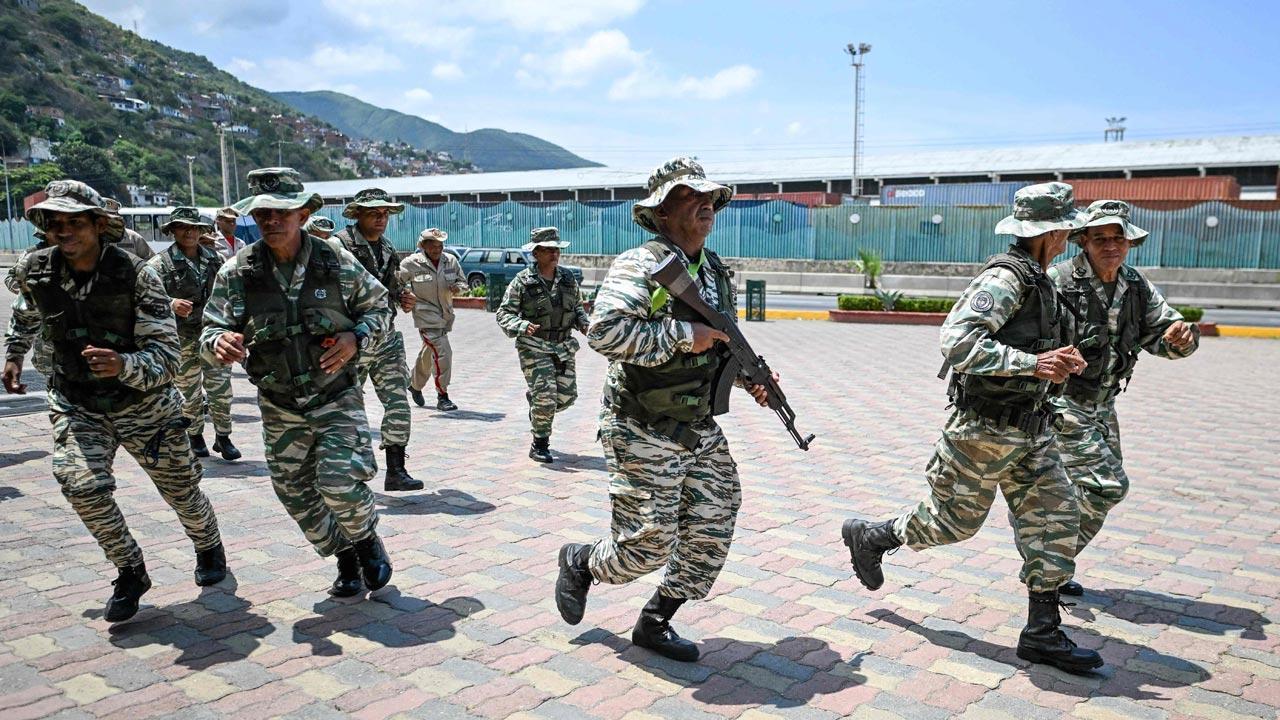
Mid-day highlights the U.S. labeling Maduro a narcoterrorist and Venezuela’s condemnation of aggressive acts aimed at overthrowing Maduro. It also notes backing from Russia and China to protect Venezuela’s sovereignty. Al Jazeera underscores broader risks, warning that unchecked unilateral strikes could risk regional destabilization and entangle U.S. forces in prolonged conflict.
U.S. Drug Strike Impact Debate
Effectiveness and targeting of U.S. drug strikes are also disputed. Latin Times notes fentanyl—the leading driver of U.S. overdose deaths—is primarily produced in Mexico using Asian precursor chemicals. However, Washington concentrated firepower targeting drug trafficking in the Caribbean, particularly focusing on Venezuela, with warships and troops.
Experts say these strikes have limited impact because networks can quickly adapt. Mid-day adds that council members urged de-escalation and respect for international law. Al Jazeera stresses that the strikes have killed at least 21 people and warns of regional destabilization and potential entanglement for U.S. forces.
