Full story
Blockade, strikes, and tolls
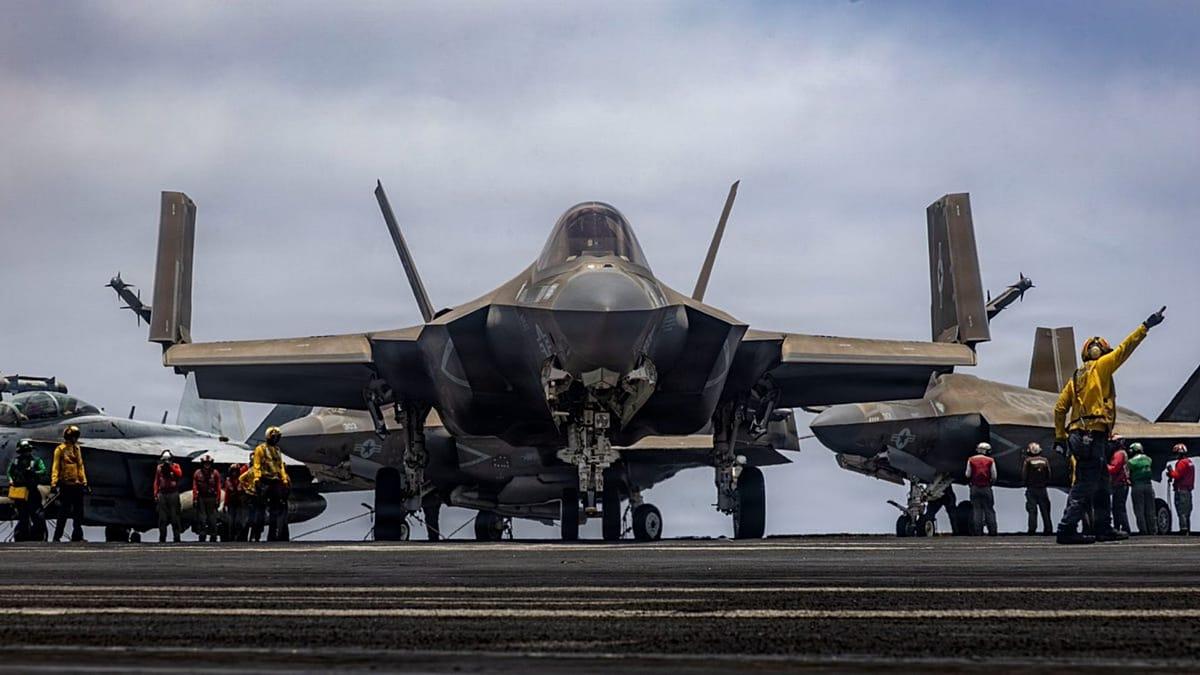
U.S. Central Command said it would resume blockading maritime traffic entering and exiting Iranian ports on July 14 at 4 p.m. ET, as President Donald Trump announced the U.S. would reinstate the naval blockade and charge a 20% fee on cargo shipped through the Strait of Hormuz.
“Iran says won’t allow US to 'interfere' in Hormuz management Rejecting U”
Iran pushed back through its military, with the Khatam al-Anbiya Central Headquarters saying it “does not and will not allow” the U.S. to “interfere” in the management of the Strait of Hormuz.

The escalation came alongside U.S. strikes, with ABC News reporting that U.S. armed forces would conduct a third consecutive night of strikes on Iran on Monday and that oil prices climbed steadily all day amid the rhetoric.
AP News said the U.S. began another round of strikes Monday and that the U.S. military began another round of strikes targeting Iran after Trump ordered the new blockade, escalating a struggle for control over the waterway.
In parallel, CBS News reported that Trump told Congress fighting with Iran has resumed and vowed to “keep” the Strait of Hormuz and charge fees, while Iran declared the Strait of Hormuz closed until “stability and calm are restored.”
Iran’s response and U.S. framing
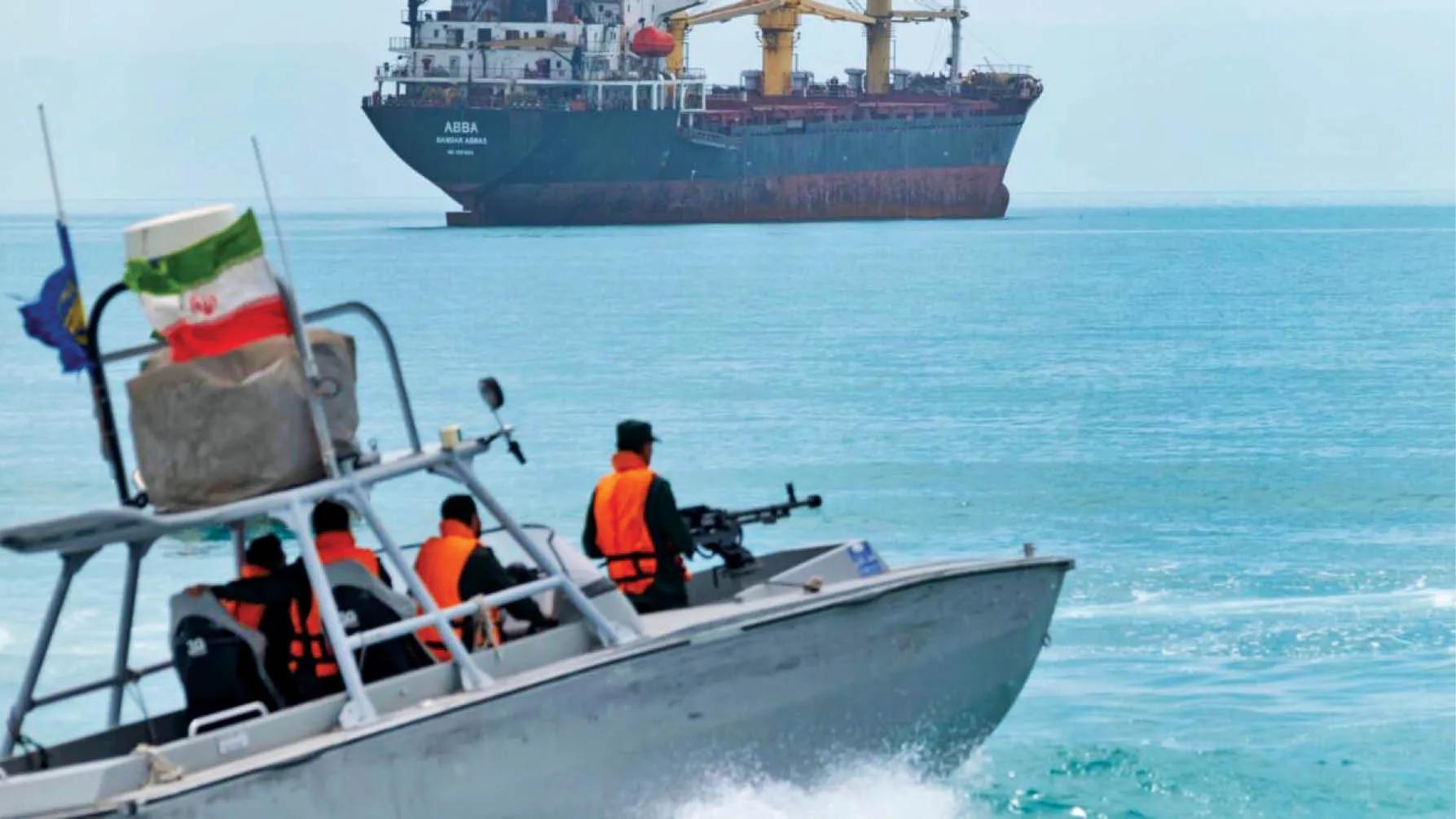
Iran’s IRGC spokesman Ebrahim Zolfaqari said Iran “will under no circumstances allow the United States to interfere in the management of the Strait of Hormuz,” and warned it would “deal forcefully” with any disruption to the passage of commercial vessels and oil tankers.
Abbas Araghchi, Iran’s foreign minister, responded that “Whoever provides secure and safe passage of commercial vessels through the Strait of Hormuz should be compensated for this service,” while adding that “20% is of course too much.”

U.S. officials framed the blockade and strikes as efforts to control the strait and degrade Iranian attacks on shipping, with CENTCOM saying the strikes would continue imposing a heavy cost on Iranian forces and degrade their ability to attack innocent civilians and commercial shipping.
CNN reported that President Donald Trump characterized the renewed bombing campaign as a “military skirmish,” while also saying the U.S. should be reimbursed by “the countries that we’re helping” in the conflict with Iran.
The Guardian reported that Donald Trump said a deal with Iran was still possible and quoted him saying, “We’re going to hit them very hard tonight, and we’re going to hit them hard tomorrow,” as the U.S. prepared to resume blockading ships heading to and exiting Iranian ports from 4pm ET on Tuesday.
What’s at stake next
The U.S. said it would resume the blockade Tuesday at 4 p.m. ET, while Iran’s Revolutionary Guards said the Strait of Hormuz is “closed until further notice” and warned that “No vessel will be permitted to transit the strait.”
NBC News described the renewed standoff as threatening the fragile ceasefire environment, noting that the Revolutionary Guard said it had warned that “foreign interference and the unlawful designation of shipping routes in the Strait of Hormuz would be met with a firm response.”
In the same reporting stream, NBC News said Iran’s supreme leader Mojtaba Khamenei promised revenge in a funeral message, stating, “We pledge that we will take revenge for the pure blood of the martyred leader and all the martyrs of these two wars.”
CNN reported that the renewed exchanges of fire included strikes and counterstrikes affecting shipping, including the UAE defense ministry saying two UAE tankers, Al Bahiya and Mombasa, were hit by Iranian missiles and that one crew member was killed.
With the dispute centered on passage and compensation, CNBC reported Trump’s position that the U.S. would be “reimbursed” at the rate of 20% on all cargo shipped and quoted him claiming, “The U.S.A. will be, from this point forward, known as 'THE GUARDIAN OF THE HORMUZ STRAIT,'” as Iran’s foreign minister said “20% is of course too much. We will be fair.”