
Iran · updated 26m ago · 3 min read
Iran’s Abbas Araghchi Proposes Seven-Day Strait Of Hormuz Reopening If US Lifts Blockade
Iran offers seven-day Hormuz reopening if US accepts conditions including blockade lift and sanctions relief. Includes a ceasefire covering Lebanon as part of demands.
Whether Trump rejected the proposal.
5 of 7 outlets skipped it: US would release frozen Iranian assets worth at least $12bn.
Haaretz was read line by line by the Watchdog: 5.8. See the score →
134outlets compared
Same story, two versions
tap a side to read it in full
Arab News
“within hours reports indicated that US President Donald Trump rejected the proposal.”Read the original ↗
1News
“The White House said Friday that US officials are having positive and constructive conversations with mediators on the Iran war.”Read the original ↗
Arab News reports Trump rejected Iran’s plan, while 1News cites the White House saying officials had positive talks.
Hormuz deal timetable
Iran’s Foreign Minister Abbas Araghchi outlined a proposal to reopen the Strait of Hormuz and resume nuclear talks within seven days if the United States lifts its naval blockade of Iranian ports, waives sanctions on Iranian oil sales, and observes a ceasefire that would include Lebanon. Araghchi told reporters in New York on the sidelines of the 81st UN General Assembly that “the seven-day timeline would begin once Washington accepts the proposal,” and he said the US would be expected to take steps within the first four or five days so the strait could reopen on day six. Iran’s plan also tied the next phase to negotiations, with Araghchi saying talks between Tehran and Washington on a final agreement would begin on day seven.
An American official said Washington is engaging in “positive and constructive” discussions with Tehran through intermediaries, while nuclear issues remain under discussion. The BBC also reported that Iran’s proposal includes halting hostilities in the region, releasing Iranian assets frozen at no less than $12 billion, removing sanctions on Iranian oil exports, and ending the U.S. naval blockade of Iranian ports.

Trump rejects, bombing expected
The Wall Street Journal reported that U.S. President Donald Trump rejected an Iranian proposal for a seven-day ceasefire and told his aides he expects U.S. strikes on Iran to resume after the November midterm elections.
The Wall Street Journal also said Trump told his team that a return to bombing campaigns against Iran is likely, and it described the proposal as calling for reopening the Hormuz Strait and resuming negotiations over Tehran’s nuclear program in exchange for lifting the U.S. blockade on Iranian ports.
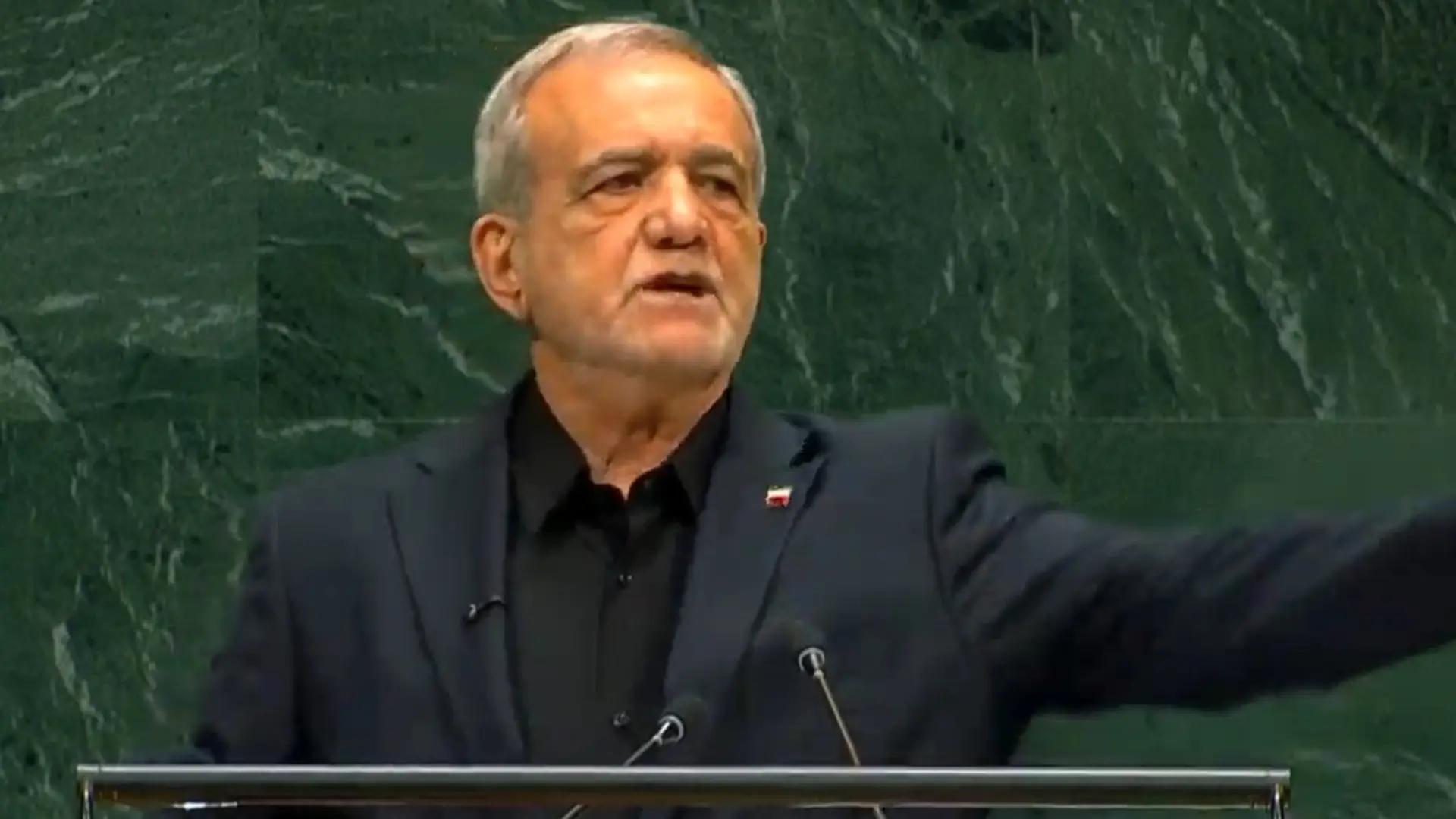
Iran’s Foreign Minister Seyed Abbas Araghchi said Iran conveyed “a concrete seven-day plan” to the United States through Qatar, and he said the choice now rests with the United States.
Araghchi added that “on day seven, the talks with the US will be started for the final deal on mutually agreed subjects,” while he said Iran does not accept coercion, threats, or intimidation.
The BBC framed the contrast by reporting that Washington discussed the nuclear file without announcing acceptance of the Iranian proposal, even as it described diplomatic movement around Hormuz.
What is at stake
Iran linked the Hormuz timetable to broader regional demands, with the BBC reporting that the proposal includes halting hostilities in the region, including Lebanon and Yemen, alongside the release of Iranian assets frozen at no less than $12 billion. The BBC also reported that an Iranian senior official told Reuters that Tehran will not make concessions on its nuclear program even if Washington accepts the proposal to reopen the strait. The Wall Street Journal said Washington and Tehran are moving between threats and indirect negotiations, with the Hormuz Strait and military pressure emerging as major levers in the path to settlement.
Iran’s Foreign Minister Abbas Araghchi said Tehran remained open to diplomacy but wanted credible assurances against renewed US attacks before entering another round of negotiations. In parallel, the BBC reported that Lebanese Prime Minister Najib Mikati warned of a potential vacuum in southern Lebanon if UNIFIL ends without an agreement on a new international force, as the UNIFIL withdrawal was set to begin at the end of 2026.