
Iran · updated 5h ago · 3 min read
Abbas Araghchi Outlines Seven-Day Plan To Reopen Strait Of Hormuz If U.S. Lifts Blockade
Iran proposed seven-day plan to reopen Hormuz, contingent on U.S. blockade and sanctions lift. Plan includes Lebanon ceasefire and unfreezing Iranian assets as prerequisites.
218 outlets told this the same way.
218outlets compared
Seven-day Hormuz offer
Iran’s Foreign Minister Abbas Araghchi outlined a proposal to reopen the Strait of Hormuz and resume talks on its nuclear program within seven days if the United States lifts its naval blockade of Iranian ports, waives sanctions on Iranian oil sales and observes a ceasefire that would include Lebanon. Araghchi detailed the proposal in a private gathering on Friday on the sidelines of the UN General Assembly in New York, and Trita Parsi said Araghchi suggested that a speedy agreement would help US President Donald Trump ahead of November’s midterm elections. The proposal resembled a June deal that called for a 60-day interim period, but it quickly crumbled as Iran resumed attacks on shipping in the strait.
A person familiar with the matter told The Associated Press that Saudi Arabia was sceptical of the latest push for a deal, while the White House said US officials were having “positive and constructive conversations with mediators” on the Iran war. The proposal also hinged on whether Iran’s security forces would accept compromises championed by moderates like President Masoud Pezeshkian, and Parsi warned of “deep suspicion” that Iran could be buying time to ship out more of its oil.

Trump rejects, Iran distrusts
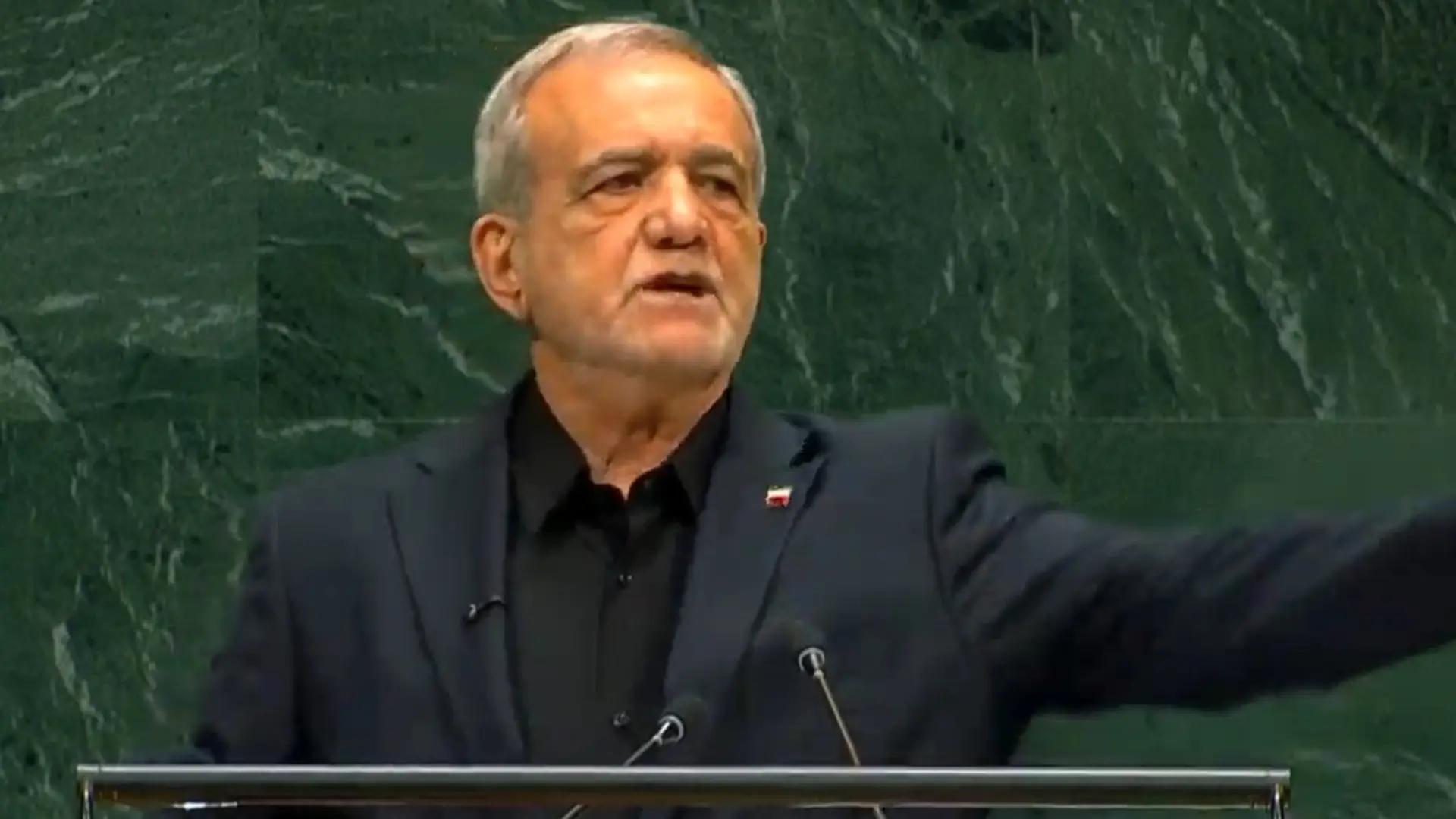
Donald Trump rejected Iran’s seven-day plan to reopen the Strait of Hormuz, telling the press in the White House gardens, “They made a proposal, but I rejected it.” Trump said the United States has “full control” of Hormuz and that “29 ships last night” passed through the route, while he argued the deal would not be acceptable because Iran was “losing ground dramatically.” Masud Pezeshkian said on Saturday that he is “distrustful” of the United States within the framework of ongoing negotiations, citing “repeated attacks and sanctions imposed after each conversation,” and he told Al Jazeera that Qatar and Pakistan continue to mediate between the parties.
Pezeshkian said, “We no longer trust the talks with Washington,” and he blamed the United States for closing the strait by saying, “It was the United States that blocked our channels.” Trump also mocked Iran by posting an image on Truth Social renaming the Strait of Hormuz the “Trump Strait,” while The Wall Street Journal reported Washington had rejected a seven-day ceasefire agreement.
What comes next
Al Jazeera reported that Trump’s rejection came just hours after Iran put forward a new roadmap to opening the strait, and it said unnamed US officials cited by The Wall Street Journal ruled out the proposal. Al Jazeera also reported that Araghchi said the proposal calls for releasing $12bn in frozen Iranian assets, lifting Iranian oil sanctions and ending the US’s naval blockade on Iranian ports, with hostilities in Lebanon to cease during the seven-day period. Araghchi said the Strait of Hormuz could be reopened after the US conditions were met, which he estimated would take four or five days, and he said negotiations on a “final deal” would start on day seven.
The same Al Jazeera report said a US official told it Washington was in no hurry to respond and saw itself as being in a strong position with respect to the Strait of Hormuz, while Trump posted the “Trump Strait” map on Truth Social late on Friday night. The Al Jazeera report added that Trump told his aides he expects to carry out a new bombing campaign against Iran after the US midterm elections in November, and it said the door to diplomacy remained open through Qatar’s message passing at the UN General Assembly in New York.