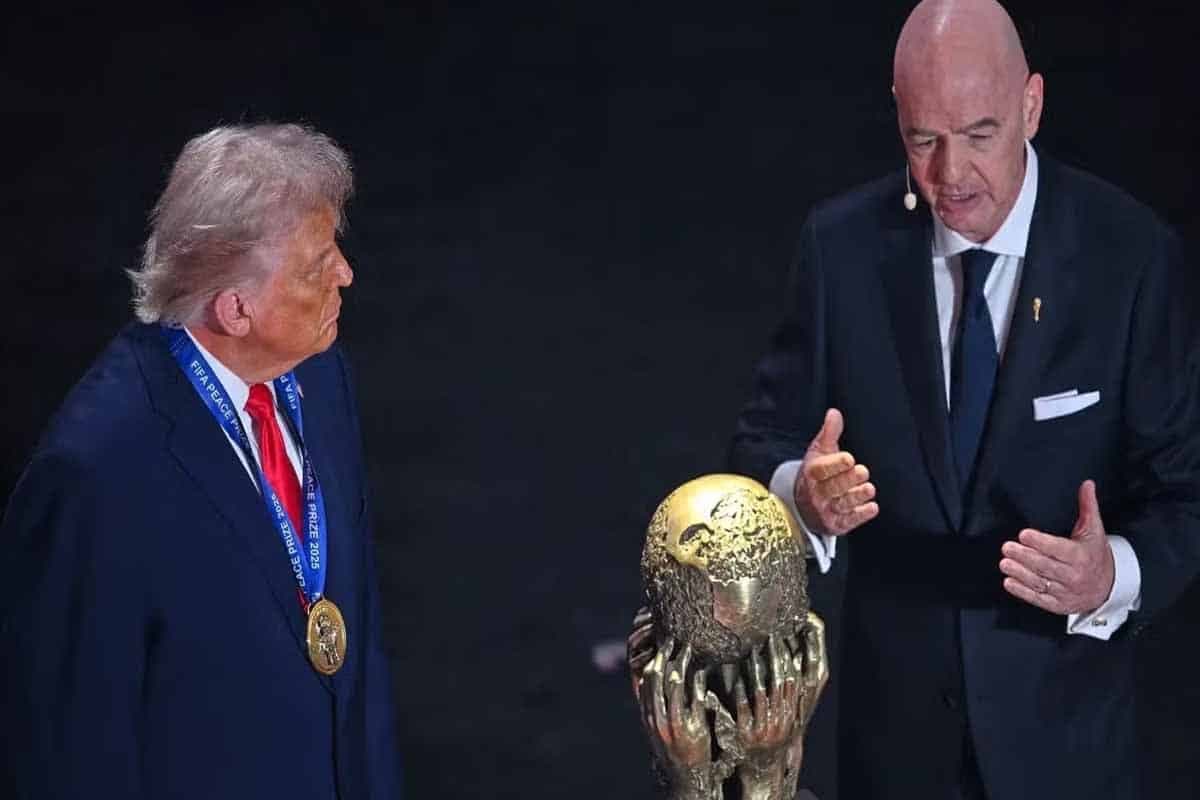
Trump Returns to the White House, Initiating Global Era of Economic and Tech Coercion
Key Takeaways
- Trump's return signals confrontational, coercion-based global policy.
- 2026 centralizes Trump, reshaping global leadership and alliances.
- Open confrontation dominates early 2026 diplomacy, as Trump leads.
Global Agenda Dominance
Donald Trump's return to the White House has fundamentally reshaped the global political landscape.
“2026 consagrará la máxima de la ley del más fuerte”
His presidency has initiated a period where each move carries amplified consequences on the global stage.
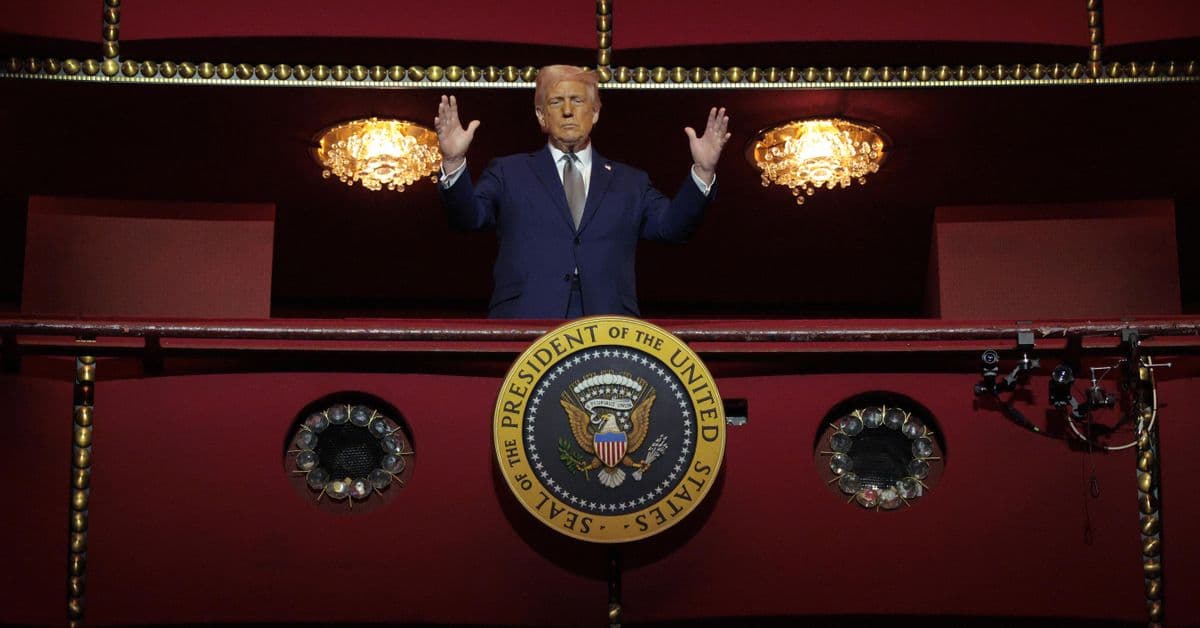
Trump demonstrates an unprecedented ability to concentrate actions that compel governments and international organizations to respond quickly.
The early months of 2026 have shown Trump transitioning from a global reconciliation scenario to leading some of the world's most delicate decisions.
He has solidified his role as a figure who generates constant uncertainty and debate while setting the international agenda.
Trump accomplishes this through both symbolic acts and military decisions.
Economic Coercion Era
Trump's presidency has ushered in a new era characterized by the instrumentalization of economic and technological coercion.
This approach represents a fundamental departure from previous diplomatic norms.
The administration employs tariff policies, technological restrictions, and economic leverage as primary tools of statecraft.
The global community now faces an accelerated reconfiguration of commercial, financial, and geopolitical connections.
Nations are scrambling to adjust to this transactional approach.
Traditional alliances and partnerships are being reassessed based on immediate economic considerations rather than long-term strategic relationships.
Military Interventions
The Trump administration has significantly expanded military operations beyond traditional diplomatic channels.
“2026 consagrará la máxima de la ley del más fuerte”
These military actions have targeted various regions including the Caribbean, Pacific, and even reached as far as Nigeria.
The administration justifies interventions through claims of combating narco-trafficking and addressing alleged religious violence.
Trump openly threatens military intervention in Mexico and Colombia.
He attempts to seize control of the Panama Canal.
The administration places bounties on foreign leaders like Venezuela's Nicolás Maduro.
These actions signal a dangerous normalization of military intervention outside established legal boundaries.
Governance Breakdown
This new approach to international relations reflects a broader breakdown of multilateral governance structures.
The Trump administration's actions exemplify a dangerous trend where military intervention has become an accessible instrument.
Governments and international actors are willing to use increasingly undisciplined violence.
This represents a fundamental challenge to the post-World War II international order.
Traditional mechanisms of diplomacy and legal constraint give way to spheres of influence determined by military power.
The risk of opportunistic aggression and miscalculation has significantly increased.
The international community struggles to adapt to a reality where power rather than law determines global outcomes.
Future Global Order
The global community faces an uncertain future navigating this new reality.
“2026 consagrará la máxima de la ley del más fuerte”
This reality is characterized by transactional diplomacy, economic coercion, and erosion of international legal norms.
Trump's presidency has demonstrated how quickly established international relationships can be disrupted.
Nations are forced to constantly reassess their strategic positioning in this volatile environment.
Traditional diplomatic frameworks are increasingly inadequate for addressing complex challenges.
Economic leverage, technological control, and military capabilities have become primary determinants of international influence.
More on USA
Trump Cheers Mueller's Death, Says 'I'm Glad He's Dead'
20 sources compared

Trump threatens ICE deployment to airports amid DHS funding fight
23 sources compared
Trump threatens to deploy ICE agents to US airports amid DHS funding standoff
46 sources compared

ICE Detainee Royer Perez-Jimenez Dies in Florida Detention Center; Officials Suspect Suicide
10 sources compared