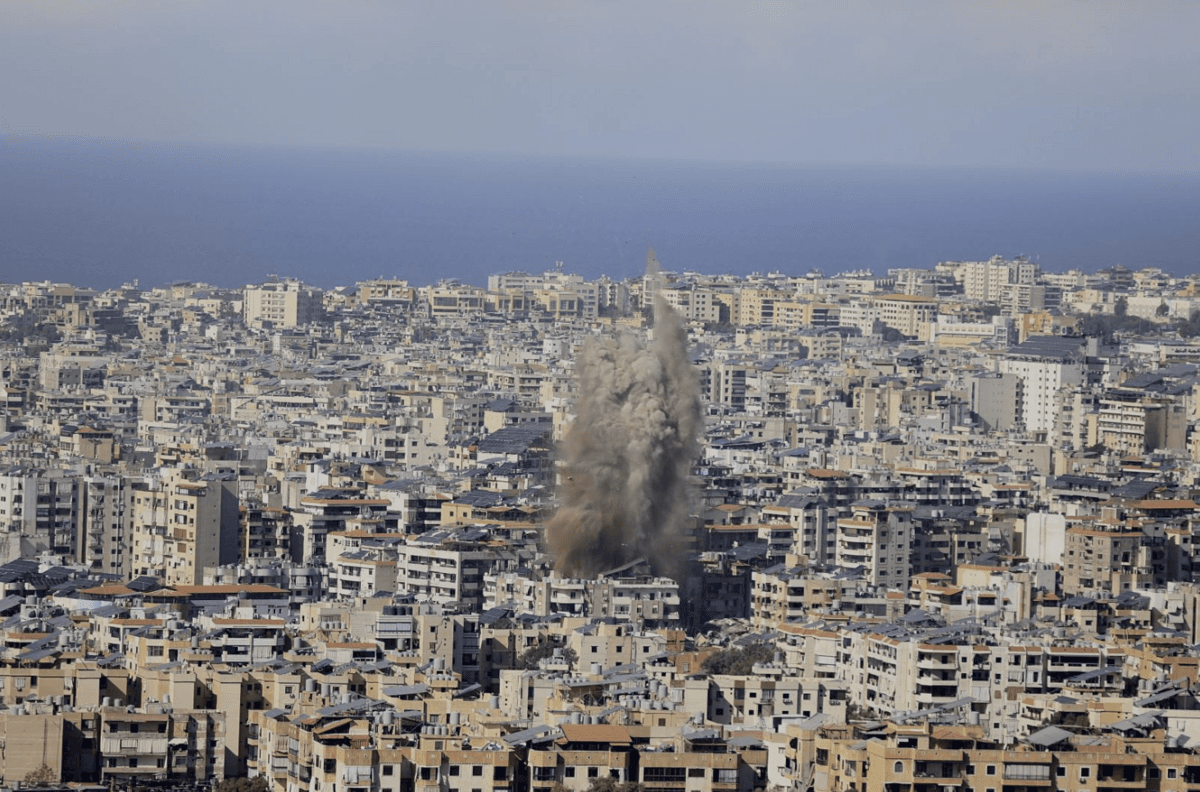
Full story
Trump-mediated halt, Lebanon
U.S. President Donald Trump said Monday that Israel and Hezbollah have agreed to dial back fighting after he talked with Israeli Prime Minister Benjamin Netanyahu and communicated with the Lebanese militant group through mediators.
“United States President Donald Trump has declared that Israel and Hezbollah have agreed to stop fighting, offering hope to huge numbers of people in Lebanon who have been fleeing an Israeli onslaught”
Trump said there would be no Israeli troops “going to Beirut,” and that those on their way “have already been turned back,” while he added that Hezbollah had “agreed that all shooting will stop — That Israel will not attack them, and they will not attack Israel.”

Netanyahu confirmed the conversation but warned that Israel would strike targets in Beirut, Lebanon’s capital, if Hezbollah’s attacks do not stop, and he said the Israeli military will continue “to operate as planned” in southern Lebanon.
Moments after Trump’s message, Israel detected missile launches from Lebanon and warned Israelis in part of northern Israel to take cover, and the Israeli military’s Arabic spokesman later posted on X that residents should leave the suburbs.
The fighting also continued even as talks were set for Tuesday and Wednesday in Washington, where Lebanese negotiators hope to widen the scope of areas that will not be attacked in the country as they seek a complete ceasefire.
Claims, warnings, and talks
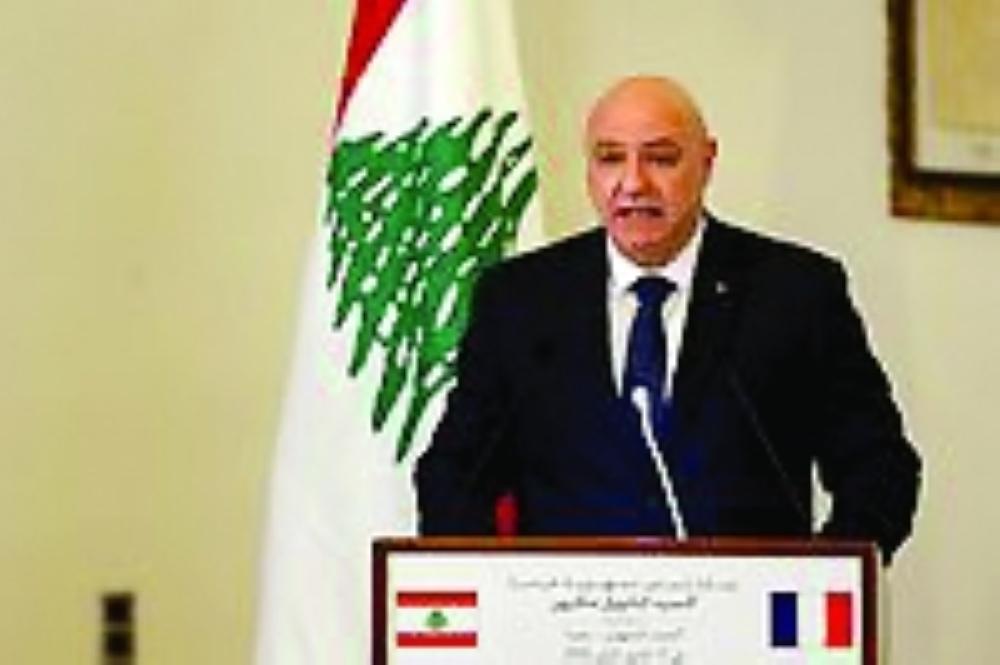
Lebanon’s embassy in the US said it had “received confirmation of Hezbollah's acceptance of the US proposal for a mutual cessation of attacks,” while Netanyahu confirmed the agreement but warned strikes on Beirut would go ahead “if Hezbollah does not stop attacking our cities and civilians.”
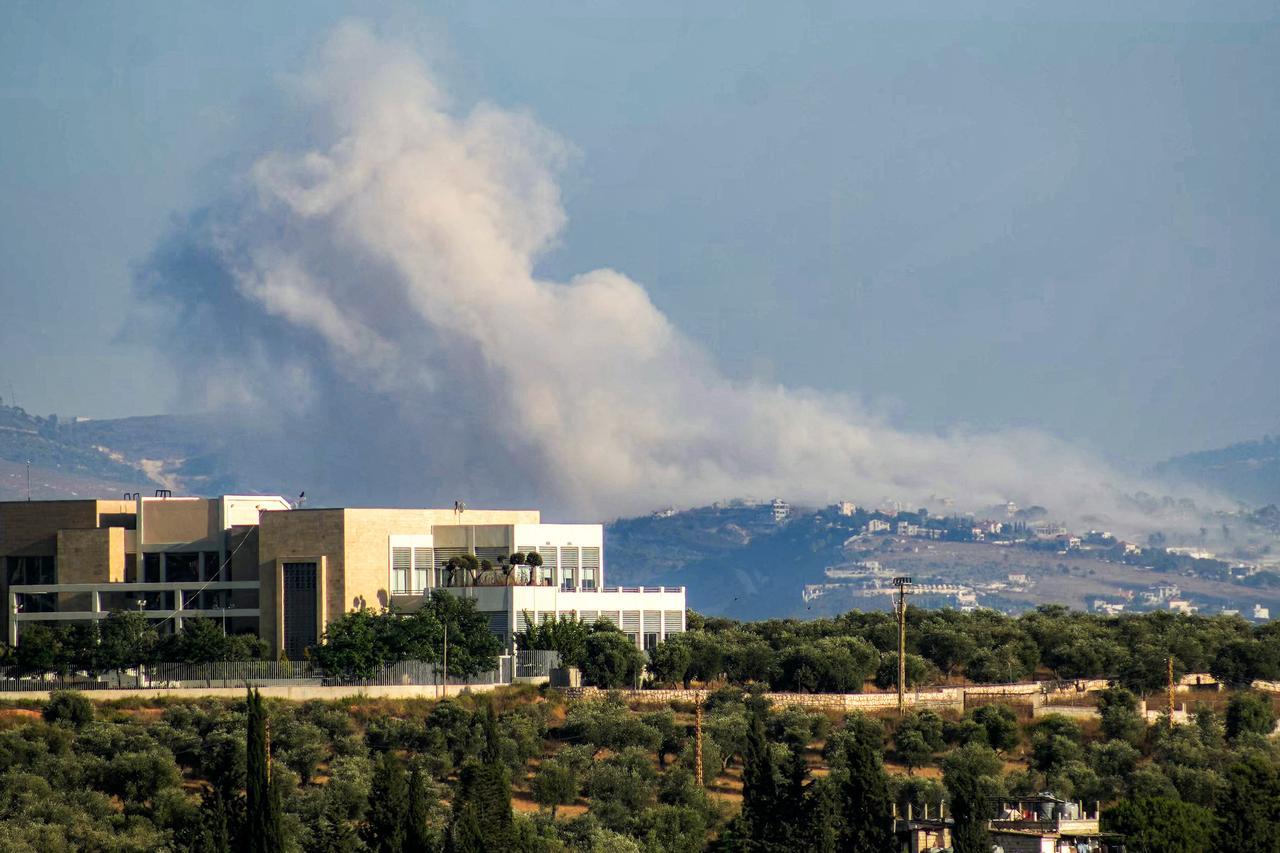
After Trump said both sides had agreed to stop fighting, Hezbollah said it had launched three attacks at Israeli tanks and soldiers near two villages in northern Israel, using drones and “a barrage of artillery shells,” and the Israeli military said it had intercepted two projectiles fired from Lebanon.
Iranian Foreign Minister Abbas Araghchi said the US-Iran truce was “unequivocally a ceasefire on all fronts, including in Lebanon,” and Iran’s Tasnim news agency reported that Tehran could suspend indirect negotiations with the US over Israeli military actions in Lebanon.
In a separate account of the same diplomatic moment, DW said Israel’s air defenses intercepted two projectiles launched from Lebanon into the country’s north early Tuesday, with warning sirens sounding shortly after 1:30 a.m. local time in several northern areas.
As the ceasefire framework was discussed, Hezbollah claimed attacks on Israeli tanks and troops in southern Lebanon, including targeting a Merkava tank in the town of Hadatha with an attack drone, according to DW.
What’s at risk next
The AP reported that the fighting presents a major obstacle in the emerging deal to extend the ceasefire in the Iran war, with Tehran wanting any agreement to include Lebanon, and it said Lebanese authorities secured Hezbollah’s approval of a proposal by U.S. Secretary of State Marco Rubio that Israel would not strike Beirut’s southern suburbs.
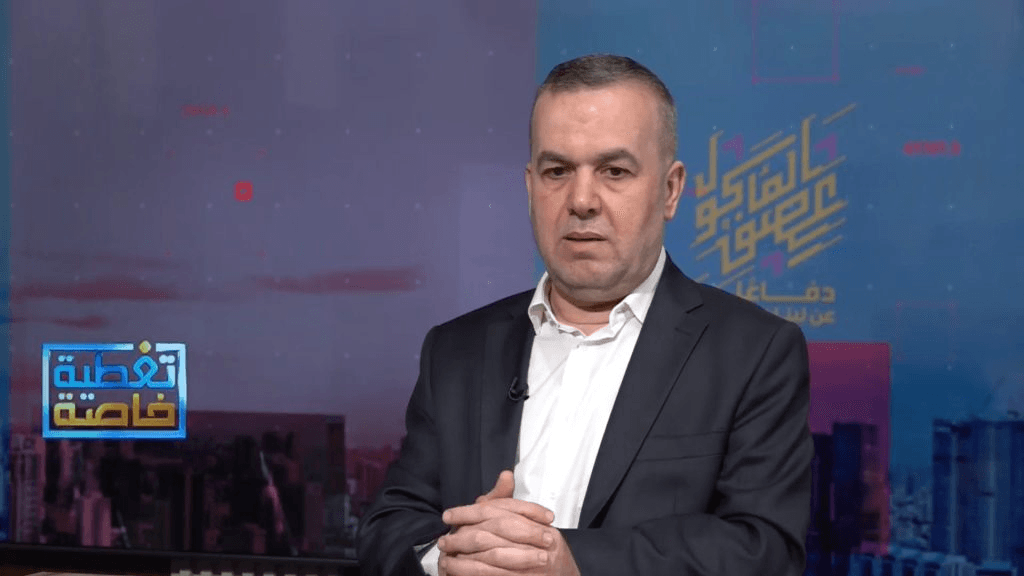
“Member of Loyalty to Resistance Parliamentary Bloc, Dr”
DW added that UN chief Antonio Guterres called for maintaining peacekeepers in Lebanon after the mandate of the current mission expires at the end of this year, and it quoted his report as saying that “a uniformed United Nations presence working to facilitate de-escalation, dialogue, liaison and coordination” would be necessary.
NBC News said Netanyahu and Defence Minister Israel Katz ordered the Israeli military to attack “terrorist targets” in the southern suburbs of Beirut, known as Dahiyeh, following Hezbollah’s “repeated violations” of a ceasefire and “attacks against our cities and citizens.”
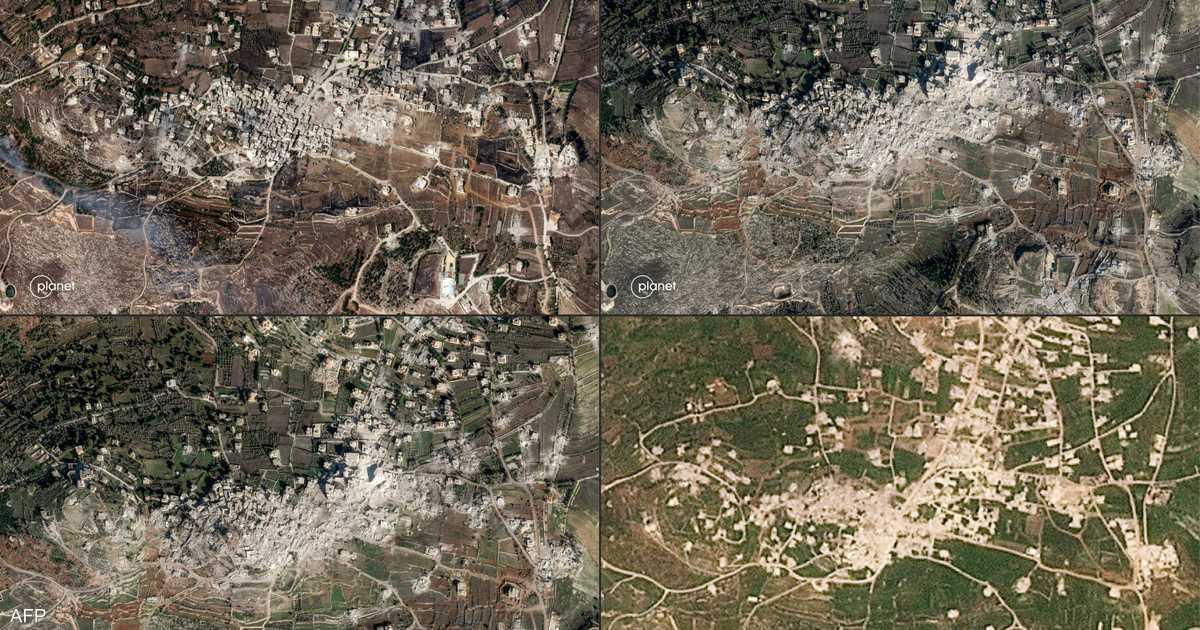
NBC News also reported that Lebanese authorities say more than 3,370 people have been killed in the country as a result of Israeli attacks since March 2, while Israel says 24 of its soldiers and four civilians have been killed over the same period.
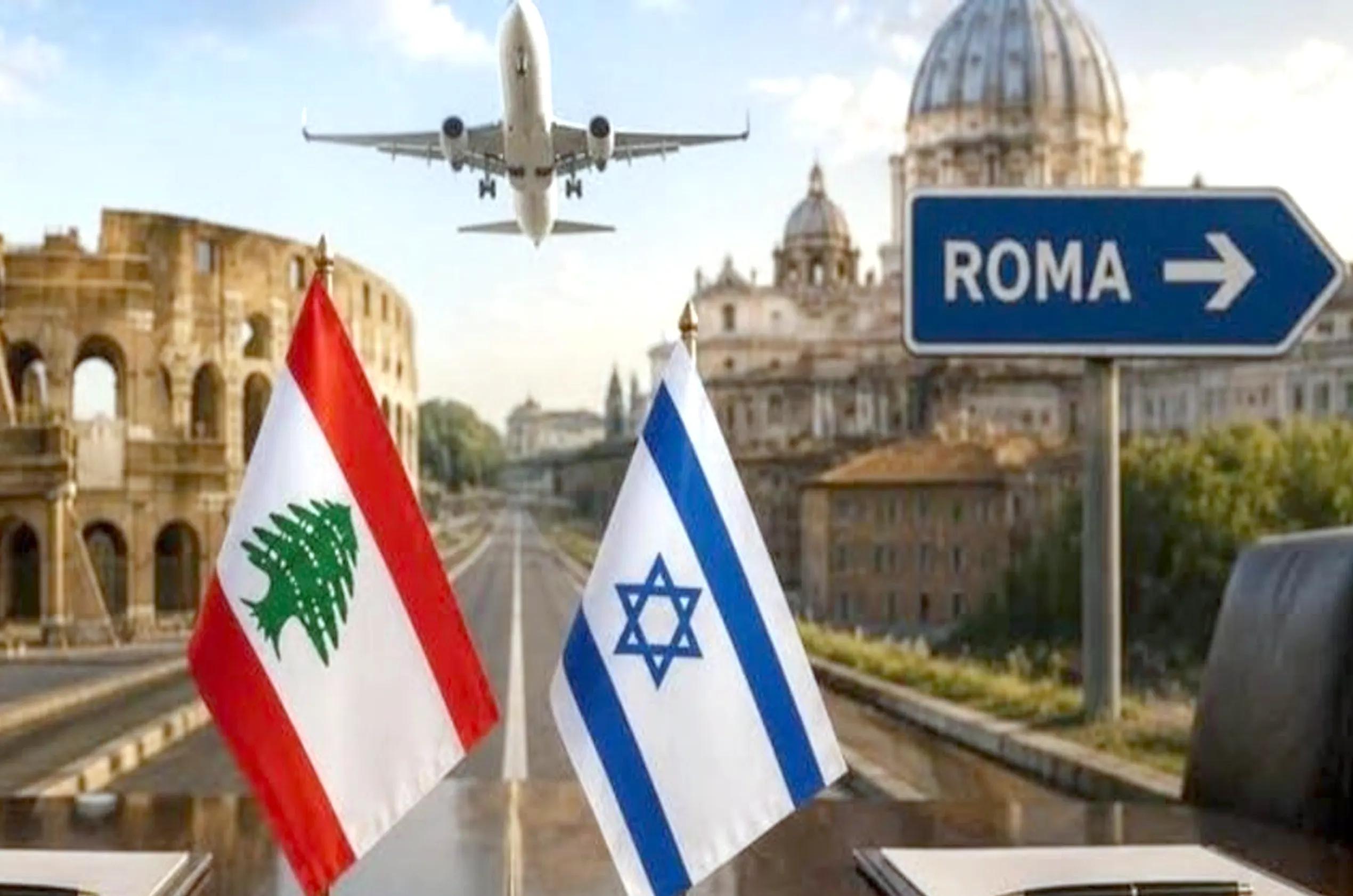
With the next round of direct Israel-Lebanon talks scheduled in Washington, the stakes described across the sources centered on whether the ceasefire framework could be expanded to encompass all Lebanese territory while Israel’s military continued “to operate as planned in southern Lebanon.”