Full story
Beirut de-escalation talks
President Donald Trump said on Monday that he persuaded Israeli Prime Minister Benjamin Netanyahu not to send troops to southern Beirut, after a phone call that came following Iran's Revolutionary Guards threatened to open "new fronts" and keep the Strait of Hormuz closed due to Israel's offensive in Lebanon.
Trump also said on his Truth Social network that Hezbollah had "agreed to stop shooting at Israel, and its soldiers" and that Israel had agreed to stop shooting at them, adding "Let's see how long that lasts – Hopefully it will be for ETERNITY!"

Lebanon's embassy in Washington posted on X that Hezbollah accepted a US proposal calling for a "reciprocal cessation of attacks," under which "Israeli strikes on Beirut's southern suburbs would cease" if Hezbollah refrained from attacks against Israel.
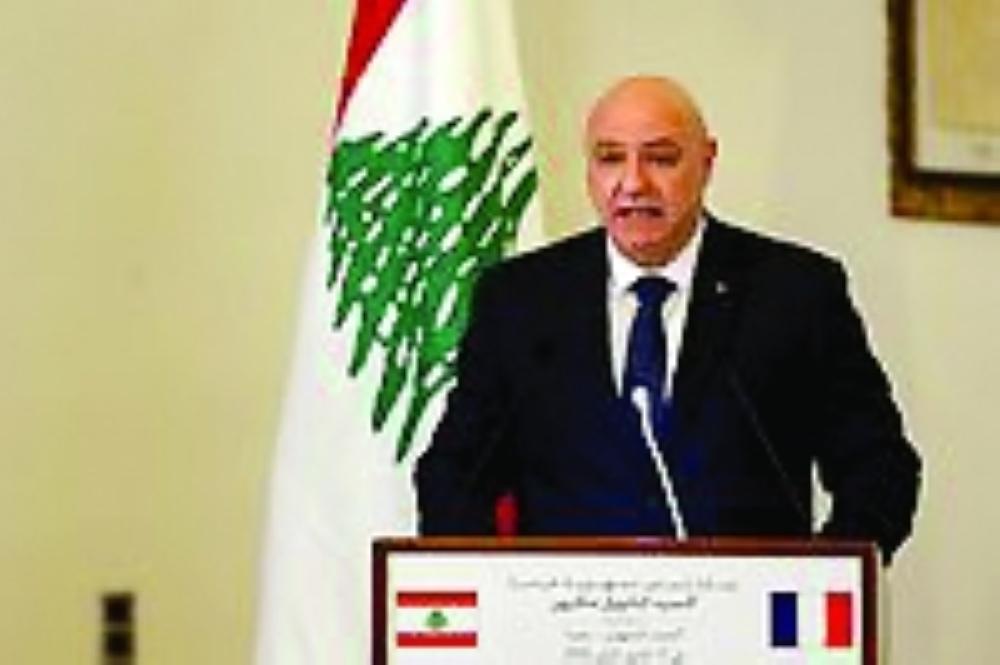
The Lebanese presidential office said the arrangement was discussed after a conversation between Lebanese President Joseph Aoun and US Secretary of State Marco Rubio, and that further discussions were scheduled to take place Tuesday and Wednesday.
At the same time, Reuters reported that Netanyahu ordered attacks in Beirut's southern suburbs, underscoring how the ceasefire framework described by US and Lebanese officials collided with continued military action described by other outlets.
Beaufort Castle incursion
Israeli forces took control of Beaufort Castle in southern Lebanon, with Euronews describing it as the deepest incursion into the country in more than 25 years after days of airstrikes and clashes with Hezbollah fighters in nearby villages.
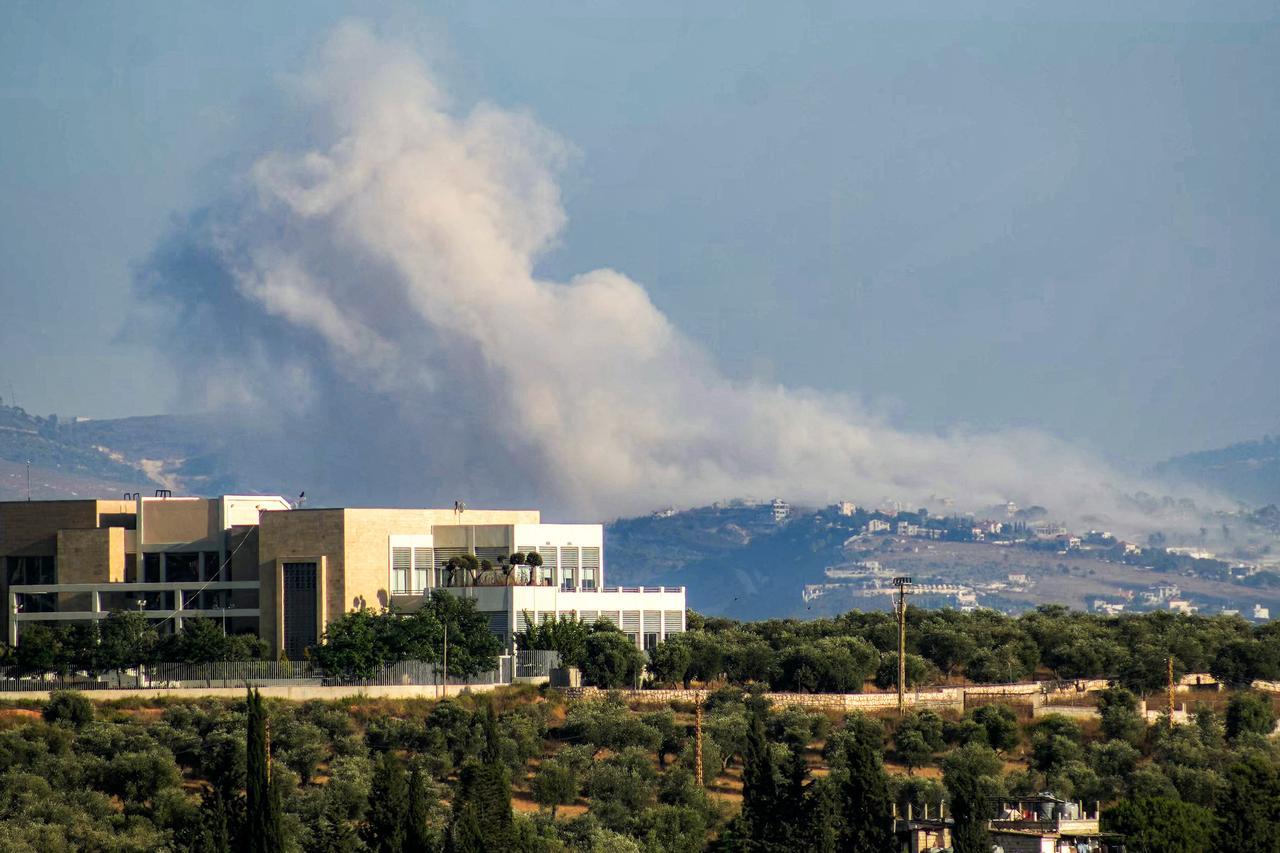
Euronews said video showed the Israeli flag fluttering above the Crusader-era fortress as smoke rose from the nearby village of Arnoun following Israeli strikes, and it quoted Israeli Defence Minister Israel Katz saying the military had taken control during expanded operations against the Iran-backed Hezbollah movement.

NBC News said the capture of Beaufort Ridge across the Litani River marked Israel’s deepest incursion into the country in 26 years, and it quoted Netanyahu saying the seizure marks a "dramatic change" in Israeli strategy.
The BBC reported that the Israeli military captured Beaufort Castle as it expanded its ground offensive beyond the Litani river, and it quoted an IDF spokesman warning that "Anyone present near Hezbollah elements, facilities or means of combat endangers their life."
AP said the advance complicates an Iran deal, noting that Israel’s deepest incursion since it withdrew from Lebanon over a quarter-century ago is occurring despite a nominal U.S.-brokered ceasefire and first direct talks between the countries in decades.
Evacuations and diplomatic risk
As fighting continued, the BBC said UK Foreign Secretary Yvette Cooper wrote on X that "Israel's military escalation in Lebanon has killed and displaced civilians, destroyed infrastructure, and eroded space for diplomacy," and it reported that France requested an emergency meeting of the United Nations Security Council.
“What to know as Israeli forces’ historic Lebanon incursion complicates an Iran deal What to know as Israeli forces’ historic Lebanon incursion complicates an Iran deal TEL AVIV, Israel (AP) — Israeli forces are making their deepest incursion inside Lebanon since they withdrew from the country over a quarter-century ago, despite a nominal U”
The Guardian reported that both Israeli officials and Hezbollah cast doubt on the durability of the agreement, quoting Hezbollah MP Hassan Fadlallah saying the group refused a partial truce offer to spare Beirut in exchange for an end to Hezbollah attacks on Israel.
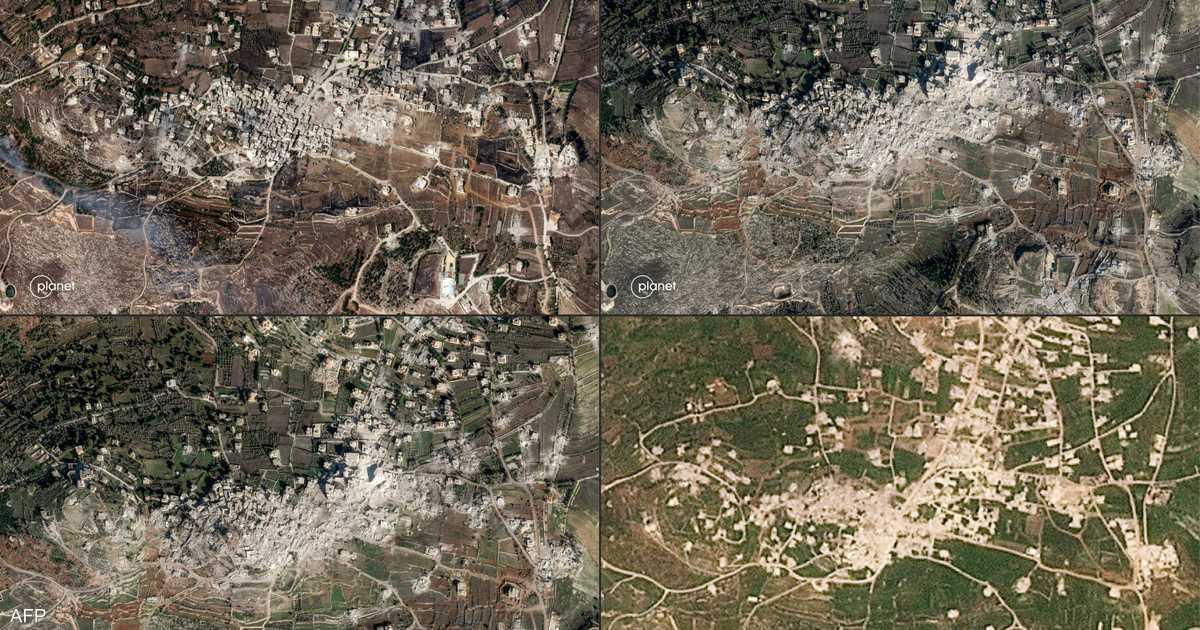
In parallel, the Lebanese prime minister Nawaf Salam accused Israel of a "scorched-earth policy and collective punishment" in the south, while AP said over 3,300 people, including dozens of children, have been killed in Lebanon since fighting began March 2 and about 1 million people have been displaced.
NBC News said fears of a long-term occupation grew as some called for Israel to take permanent control of southern Lebanon, and it quoted French Foreign Minister Jean-Noël Barrot saying "nothing can justify" the "ever-deeper occupation" of Lebanese territory.
Reuters’ framing of Netanyahu ordering attacks in Beirut's southern suburbs, alongside the ceasefire language attributed to Trump and Lebanon’s embassy, left the sources describing both a diplomatic track and an expanding ground offensive that threatened to derail the broader ceasefire effort discussed in the same reporting.