Full story
Deadline Passes, Deal Stalls
A 60-day deadline set under a June memorandum of understanding between the United States and Iran expired on Monday without a final agreement to end the war or fully reopen the Strait of Hormuz.
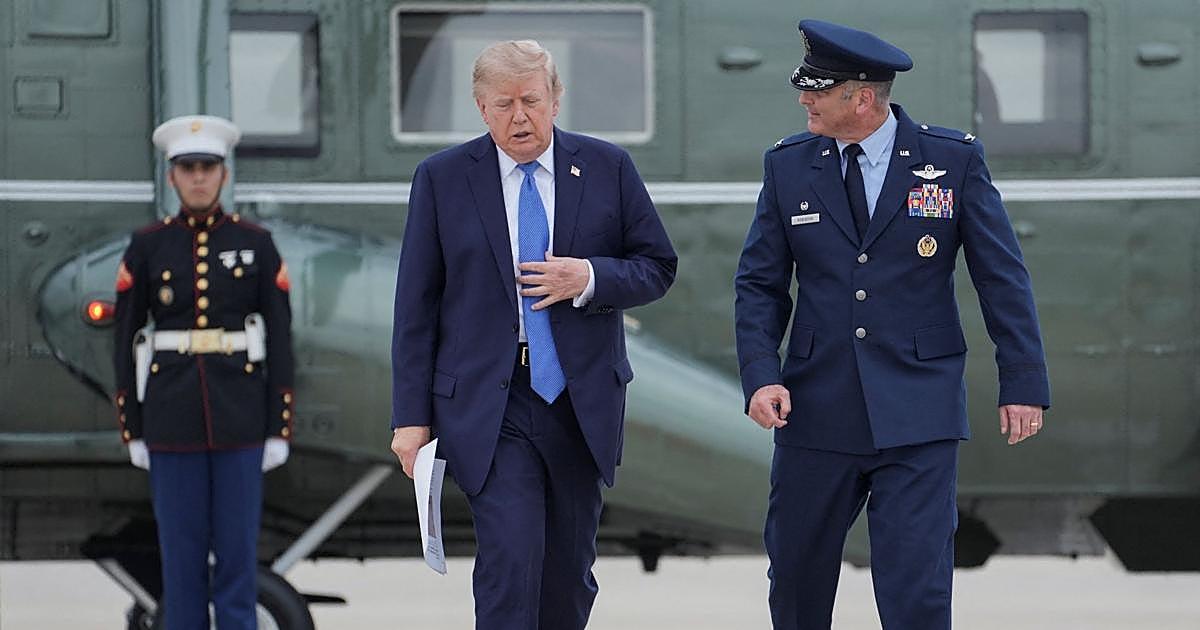
“Trump said on Monday that Washington is not seeking an extension of the memorandum of understanding signed with Iran in June”
US President Donald Trump said Washington is not seeking an extension of the memorandum of understanding signed with Iran in June, and he told reporters, "Well, they want to make a deal, but they're not gonna make the kind of deal I feel is necessary."
The interim agreement signed on June 17 had committed Washington and Tehran to ending military operations and working towards a final deal, but negotiations stalled with no breakthrough on Hormuz or detailed nuclear discussions.
The latest series of developments left little indication Washington intended to extend the existing framework, and the conflict has continued with the US and Iran further apart over Iran's nuclear programme, US sanctions, and control of the Strait of Hormuz.
An Iranian senior official told Reuters that Tehran shifted from a defensive posture to a "fully offensive" one because efforts to secure a permanent end to the war had reached a deadlock, with Iran warning it would be ready to escalate tensions in the Strait of Hormuz and wider region.
Threats, Talks, and Disputes
As the deadline passed, Trump also told Fox News reporter Trey Yingst that he has “no time schedule” for a possible peace agreement, while Yingst reported Trump said he has “no time schedule” regarding a possible peace agreement.
Trump’s posture included a threat to Oman, telling Yingst, "If Oman gets in the way, we'll bomb the s–t out of them," even as Oman worked with Tehran on reopening the Strait of Hormuz.

The UN urged the US and Iran to resume negotiations as the 60-day deadline approached, with UN spokesman Stephane Dujarric saying, "there is no military solution to this conflict."
Iran’s foreign ministry spokesman Esmaeil Baqaei said the 60-day deadline for talks had “lost its relevance” after what he called “flagrant” violations by Washington, and he said the US government was responsible for a "gross violation of the memorandum of understanding."
In parallel, Reuters reported that Iran is putting its own timetable on the next stage of diplomacy, and the senior Iranian official said Iran would require all the agreement's provisions to be implemented by the US within a few weeks as a precondition for further negotiations.
What Comes Next, What’s at Risk
With the 60-day period over and no final agreement reached, the sources describe a central dispute over the Strait of Hormuz and the fate of Iran’s nuclear program, both of which were supposed to be addressed under the June 17 memorandum of understanding.
“What comes next?”
NewsNation reported that the expiration raises the central question now facing both sides: "What comes next?" while also noting there is no indication the memorandum expiration automatically triggers a return to U.S. strikes.
The Media Line said Washington’s main priorities are to restore a stable ceasefire, maintain pressure on Iran, and reopen the Strait of Hormuz to international shipping, while Tehran says Washington must first return to the terms of the June interim agreement.
The American Conservative reported that Iran’s Foreign Ministry spokesman Esmaeil Baqaei said, "We did not start any negotiations at all, and the U.S. violated the understanding from the very beginning; therefore, the 60-day issue is not relevant," as the interim accord broke down over disputes about shipping routes and U.S. actions.
Radio Free Europe/Radio Liberty added that Trump repeated the US aim that "Iran cannot have, in any way, shape, or form, a Nuclear Weapon," as the conflict entered its sixth month and the Strait of Hormuz remained at the center of the confrontation.