Full story
Blockade and new pressure
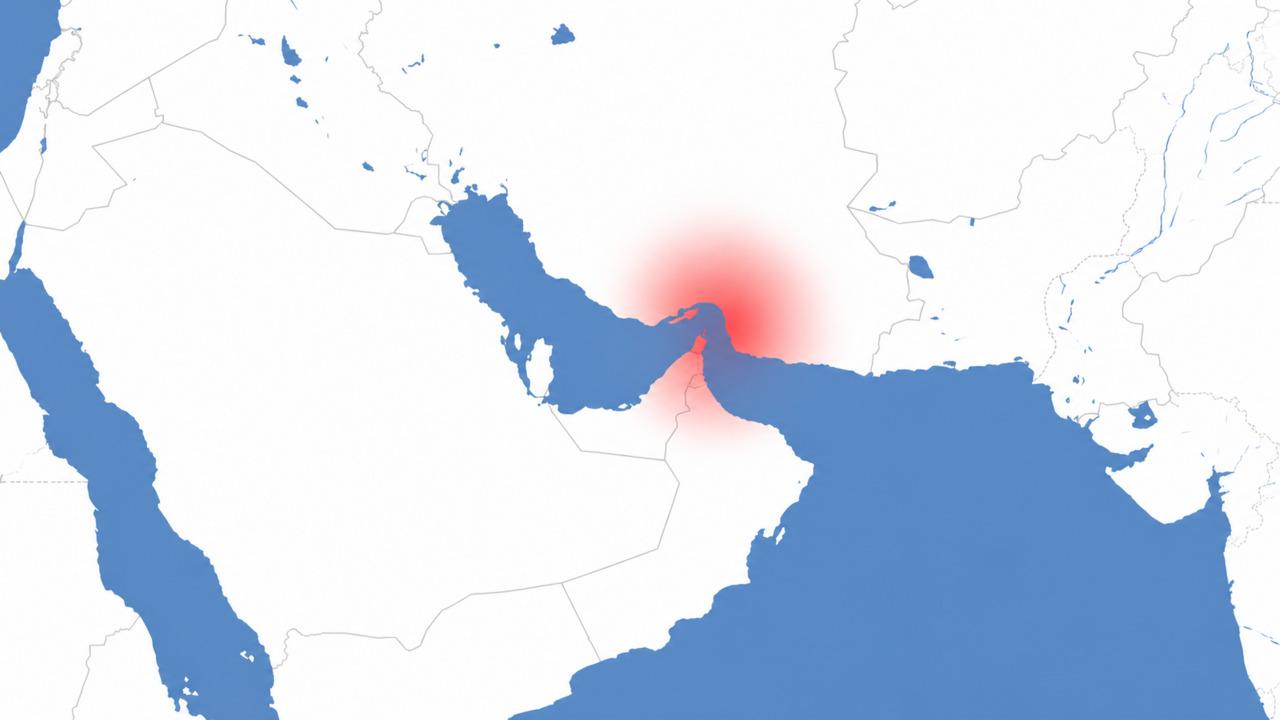
The United States has threatened to maintain an “indefinite” naval blockade on Iranian ports and impose new measures to isolate Iran economically as ceasefire talks remain in deadlock.
““Indefinitely, the United States Navy can maintain a blockade like that because we’ll rotate ships in and out”
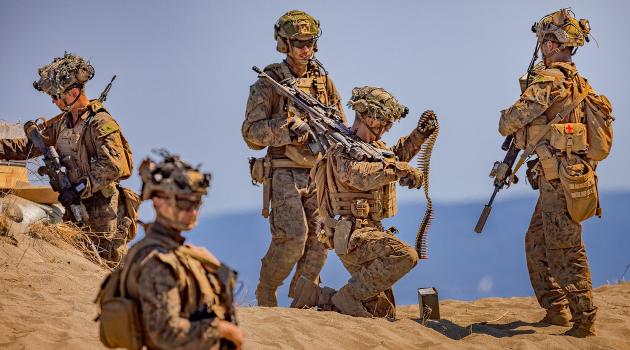
US Defense Secretary Pete Hegseth told reporters that the US military can maintain a naval presence in the region “indefinitely” to enforce its blockade of Iranian ports.
US Treasury Secretary Scott Bessent said the administration would apply new economic measures, telling Newsmax: “Watch this space for more announcements coming next week”.
Bessent framed the approach as “a combination of economic isolation the world has never seen before” alongside the continued blockade in the Strait of Hormuz.
The Al Jazeera report also said Iran’s Persian Gulf Strait Authority (PGSA) posted on X that “The Strait of Hormuz remains blocked and will not be reopened until Iran’s conditions are accepted,” rejecting US claims that the strait is no longer blocked.
USS Abraham Lincoln uproar
As the US pressed its blockade and economic pressure, lawmakers raised alarm over reports of dire conditions aboard the flagship USS Abraham Lincoln.
Al Jazeera said reports cited family members of military personnel on board the vessel who described declining mental health and morale, including accounts of suicidal ideation.

In a letter to Secretary of Defense Pete Hegseth, Democratic Senator Richard Blumenthal wrote that the aircraft carrier has now been “continuously at sea for a record length of nearly seven months”.
US Senate Minority Leader Chuck Schumer called for Hegseth to be removed, writing on X: “Pete Hegseth must be fired immediately,”.
The Al Jazeera report also said California lawmakers led by Representative Mike Levin demanded answers from Hegseth and Acting Secretary of the Navy Hung Cao about the situation on board the aircraft carrier.
What’s at stake next
The Al Jazeera coverage tied the US push to a wider effort to pressure Iran economically, with Bessent saying the administration would apply measures “unprecedented” in the history of economic isolation.
““prevent the entry and exit of any goods from Iranian ports,””
Bessent told Newsmax that the plan would be “a combination of economic isolation like never seen before in the world and the ongoing blockade of the Strait of Hormuz,” which would “prevent the entry and exit of any goods from Iranian ports,” according to Bolsamania.
The BBC asked how long Iran can endure the war with the United States, noting that “Seven months after the war began” Tehran still does not appear “to be in a hurry to end it.”
BBC News Persian quoted Mohammad Ghaedi saying Iran “probably will be able to sustain its launch capability for a long time,” while still being able “to cause disruptions in the Strait of Hormuz.”
In the same BBC report, Iran’s Deputy Labor Minister was cited saying the war has “cost more than a million jobs and left about two million people unemployed,” underscoring the domestic stakes alongside the blockade and sanctions.