Full story
Trump's Escalating Threat
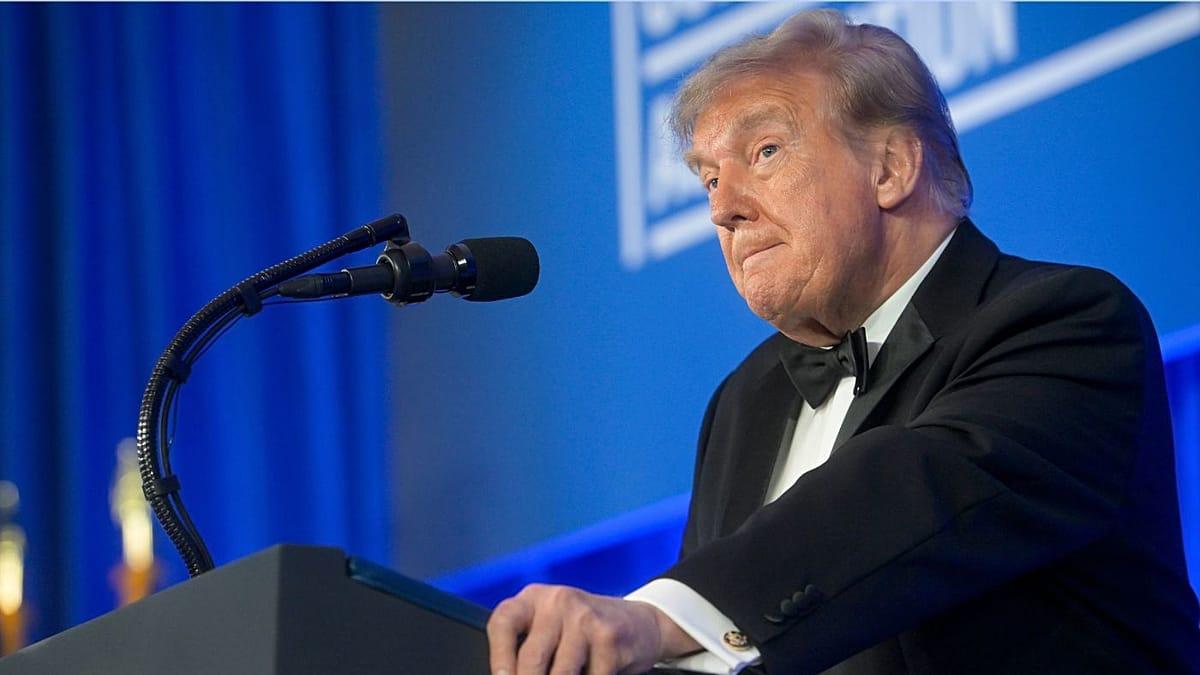
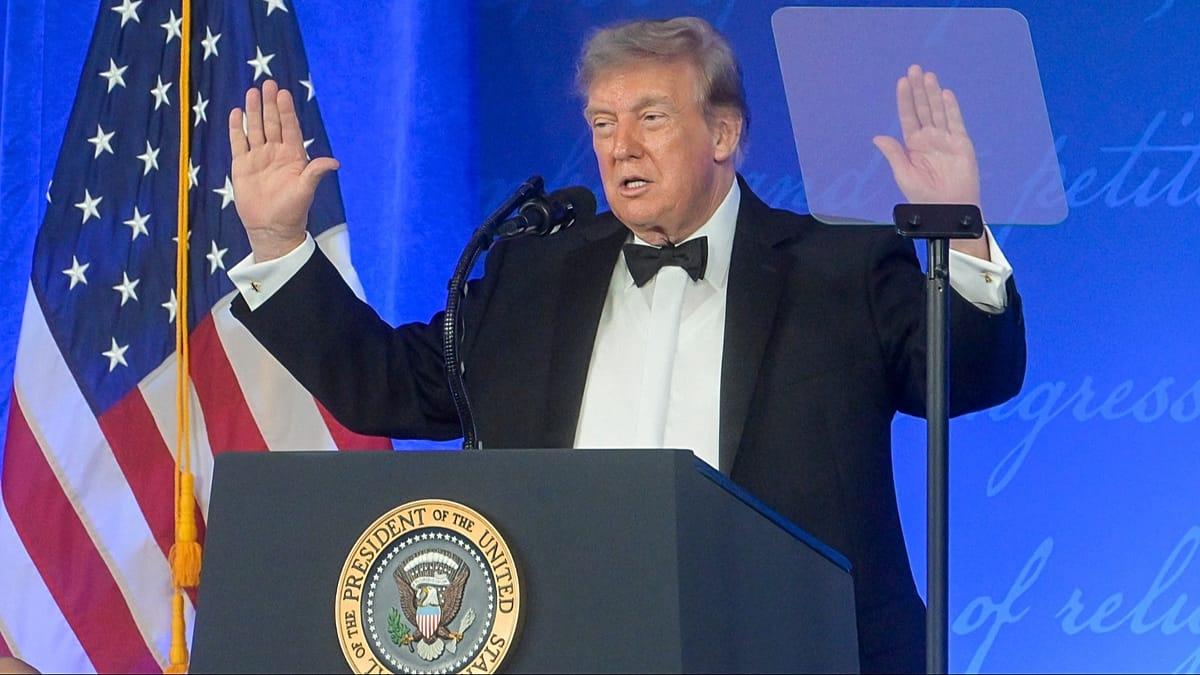
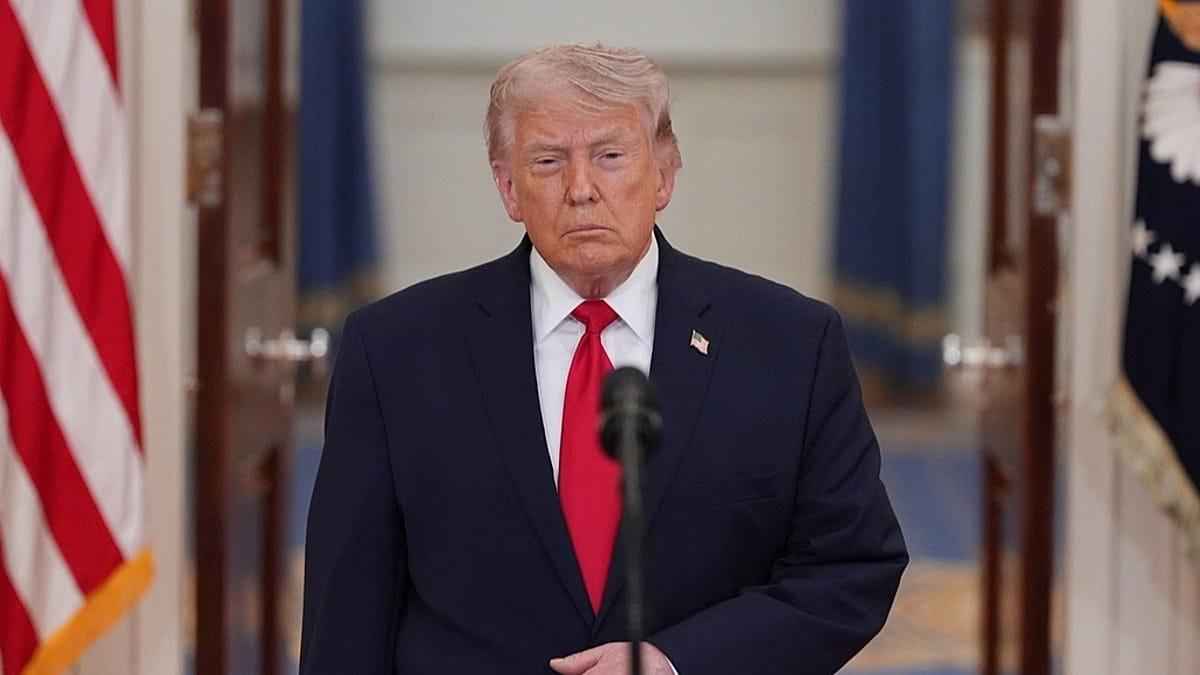
President Donald Trump dramatically escalated tensions with Iran on Saturday, threatening to "hit and obliterate" the country's power plants within 48 hours if Tehran did not fully reopen the Strait of Hormuz without threat.
“President Donald Trump threatened to attack Iran’s power plants if the country didn’t swiftly reopen the Strait of Hormuz to commercial ship traffic after the passage of oil and gas cargoes has been paralyzed”
The ultimatum, posted on Trump's Truth Social platform, marked a significant shift in his rhetoric, coming just a day after he had indicated a desire to "wind down" the military operation in the Middle East.

"If Iran doesn't FULLY OPEN, WITHOUT THREAT, the Strait of Hormuz, within 48 HOURS from this exact point in time, the United States of America will hit and obliterate their various POWER PLANTS, STARTING WITH THE BIGGEST ONE FIRST!" Trump declared.
The threat specifically targets infrastructure essential to civilian life in Iran, including major facilities like the Damavand plant near Tehran (2,868 megawatts), the Kerman plant (1,910 MW), and the Ramin plant in Khuzestan (1,890 MW).
Trump himself had previously acknowledged that attacking the grid would be a last resort, noting it could be dismantled "within one hour" but would take 25 years to rebuild.
Global Energy Crisis
The crisis in the Strait of Hormuz has triggered a severe global energy shock as shipping traffic has plummeted through the critical waterway that provides transit for roughly 20% of the world's oil and gas supplies.
The resulting supply disruption has sent energy prices soaring, with international benchmark Brent futures closing at $112.19 on Friday and European gas prices surging as much as 35% last week.
The economic ramifications extend far beyond energy markets, creating political risks for Trump at home just eight months before midterm elections that are expected to hinge largely on voters' perceptions of the US economy and consumer costs.
Despite the US pumping record amounts of oil and gas domestically, the global supply shock is being felt in higher prices worldwide.
The US Treasury has taken the extraordinary step of allowing the sale of Iranian oil and petrochemical products that were already loaded onto tankers despite existing sanctions, acknowledging the severity of the energy crisis.
Trump's mixed signals have left governments and markets scrambling to keep up with the shifting messages, creating uncertainty about both the trajectory of the conflict and the stability of global energy markets.
Iran's Escalation
Iran has responded to the intensifying conflict with increasingly bold military actions, demonstrating a significant expansion of its capabilities and reach.
“- Today - Holidays - Birthdays - Reminders - Cities - Atlanta - Austin - Baltimore - Berwyn - Beverly Hills - Birmingham - Boston - Brooklyn - Buffalo - Charlotte - Chicago - Cincinnati - Cleveland - Columbus - Dallas - Denver - Detroit - Fort Worth - Houston - Indianapolis - Knoxville - Las Vegas - Los Angeles - Louisville - Madison - Memphis - Miami - Milwaukee - Minneapolis - Nashville - New Orleans - New York - Omaha - Orlando - Philadelphia - Phoenix - Pittsburgh - Portland - Raleigh - Richmond - Rutherford - Sacramento - Salt Lake City - San Antonio - San Diego - San Francisco - San Jose - Seattle - Tampa - Tucson - Washington Trump Sends Mixed Signals on Iran War President's contradictory statements raise questions about strategy and direction of conflict Mar”
Tehran launched a retaliatory attack on Qatar's Ras Laffan Industrial City, which processes roughly one-fifth of the world's liquefied natural gas supply, after Israeli forces struck Iran's major South Pars gas field.
The damage to the Qatari facility is expected to take years to repair.
In a dramatic escalation, Iran fired long-range ballistic missiles with a 4,000-km (2,500-mile) range at the US-British military base on Diego Garcia in the Indian Ocean, marking the first time the country has used such weapons since the conflict began on February 28.
Israeli military chief Eyal Zamir warned that the same missiles could strike European capitals such as Berlin, Paris, and Rome, significantly expanding the geographic scope of the conflict.
Hours later, Iranian missiles slammed into the southern Israeli cities of Dimona and Arad, injuring dozens of civilians, including children, in strikes that landed near Israel's nuclear reactor and major air bases.
Iran's Khatam al-Anbiya military command headquarters responded to Trump's threats by stating that if the US attacks Iran's fuel and energy infrastructure, Iran would target all US energy, information technology, and desalination infrastructure in the region.
Geopolitical Fallout
The rapidly escalating conflict has created significant geopolitical challenges, with Trump's efforts to enlist US allies in reopening the Strait of Hormuz meeting with strong resistance.
The president has lashed out at fellow NATO members, branding them "cowards" for not joining the US efforts to secure the vital shipping corridor.
Despite offering naval escorts and a government-backed reinsurance program to help lower barriers to sending ships through the strait, there are no signs that any tanker has yet transited with the help of the US Navy.
The conflict has entered dangerous new territory as Iranian forces demonstrate capabilities that go beyond what was previously known, with the long-range missile attack on Diego Garcia showing an extended reach that could potentially threaten US military assets far from the traditional theater of conflict.
The mixed signals from the Trump administration have created confusion among allies and adversaries alike, with his Friday post stating "We are getting very close to meeting our objectives as we consider winding down our great Military efforts in the Middle East" standing in stark contrast to the Saturday ultimatum regarding Iran's power plants.
The situation remains highly volatile as the conflict enters its fourth week, with analysts warning that it is rapidly slipping beyond Washington's control despite Trump's repeated claims of military victory.