Canada07 October, 20253 min read
Trump Uses Tariffs to Strangle Canadian Economy During White House Meeting with Carney
Trump maintained tariffs on Canadian steel, autos, and other goods despite trade talks. Carney made a second White House visit seeking tariff relief amid economic pressure.

44 outlets told this the same way.
US-Canada Tariff Discussions
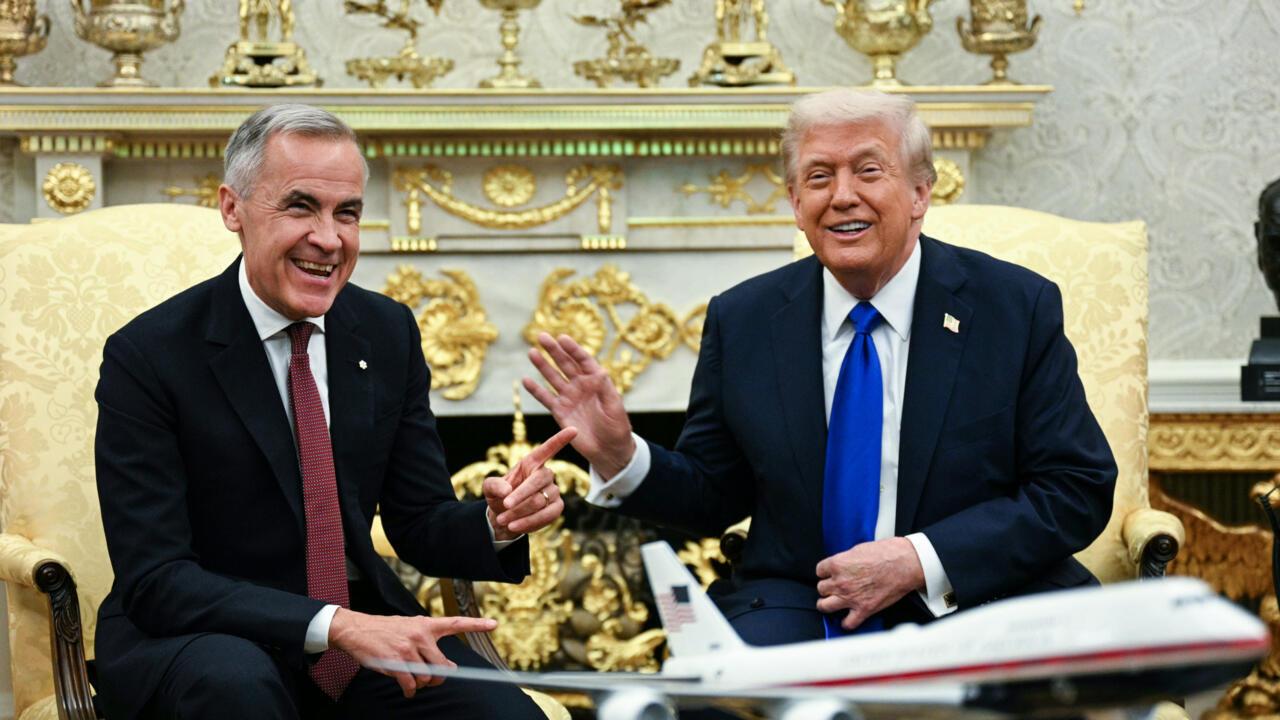
At a White House meeting with Canadian Prime Minister Mark Carney, U.S. President Donald Trump leaned on tariffs as leverage, signaling toughness even while praising Carney and striking cordial notes.
“The U.S. average tariff rate on Canadian goods is 5.6%... sector-specific tariffs under Section 232, such as 50% tariffs on steel and aluminum, are affecting trade.”
Sources describe a heavy tariff environment: NDTV notes a 35% tariff on Canadian imports, AP and the Los Angeles Times highlight a 5.6% U.S. average tariff coupled with 50% Section 232 tariffs on steel and aluminum, Radio-Canada reports a 25% tariff on Canadian auto parts, and the Daily Mail cites a new 25% tariff on heavy trucks.

BNN Bloomberg adds that Trump has threatened to use “economic force,” imposing tariffs on steel, aluminum, copper, autos, lumber and trucks.
While Trump called Carney a “great” or “world-class” leader, the tariff posture remained a central pressure point in talks that produced optimism but few specifics.
Canada-U.S. Trade Negotiations
Ottawa’s strategy mixed concessions with continued engagement.
BNN Bloomberg and France 24 report Canada dropped many counter-tariffs and scrapped a digital services tax under U.S. pressure.

WBMA and The Independent note most retaliatory tariffs were lifted even as U.S. metals tariffs stayed high.
CBC and AP describe talks as “successful,” with instructions to expedite steel and aluminum deals and follow-up meetings in Washington and even a dinner with U.S. Vice President JD Vance.
Yet Washington Examiner underscores that Canada still has leverage because U.S. businesses are also feeling pain.
Al Jazeera says officials downplay the chance of an immediate deal despite ongoing talks.
Trump's Canada State Remarks
Rhetoric around sovereignty and symbolism added pressure. Multiple outlets recount Trump’s “51st state” talk. 650 CKOM reports Oval Office jokes about making Canada a U.S. state.
BNN Bloomberg and Firstpost say he repeatedly floated the idea, with BNN Bloomberg adding threats of “economic force.” France 24 and Semafor describe the annexation chatter as a controversy revived by recent remarks. WBMA captures the paradoxical tone—“mutual love” but “natural conflict.”
CBC, Al Jazeera, and Indian Express detail Trump’s lavish praise of Carney as a “world-class leader” and “tough negotiator.” This praise came even as concrete tariff relief remained elusive.
Canada-US Trade Impact
The economic stakes and domestic politics in Canada are stark. The Independent and TribLIVE report that about three-quarters of Canada’s exports go to the U.S., with over 77% or nearly 75%, magnifying the bite of metals and auto tariffs. Semafor reports job losses and falling exports for Canadian firms and widespread distrust of the U.S.
Al Jazeera describes ongoing impacts on industries and small businesses. Local Western and Western Mainstream outlets alike say public patience is limited.
The Independent and the-independent describe anger and a tourism slump tied to souring sentiment. TribLIVE and Al Jazeera note cautious support paired with growing pressure from opposition figures demanding tougher pushback.
USMCA Trade Talks Update
Where talks go next remains uncertain.
“A key trade agreement... is up for review next year, raising concerns about potential disruptions if President Trump decides to alter or cancel it.”
The Independent and Al Jazeera warn the USMCA is up for review next year, with Trump open to renegotiating or alternative deals.

650 CKOM says he floated renewing the trilateral pact or separate deals.
Meanwhile, AP, CityNews Halifax, and the Los Angeles Times stress the structural contrast between low average tariffs (5.6%) and punishing sector-specific rates (50% on steel and aluminum).
CBC says further negotiations will continue in Washington.
CityNews and AP also note U.S. Vice President JD Vance’s dinner with Carney, underscoring ongoing engagement.
Some outlets like Global News offer only brief headline-level mentions without detail.