Iran · 19 August, 2026 · 2 min read
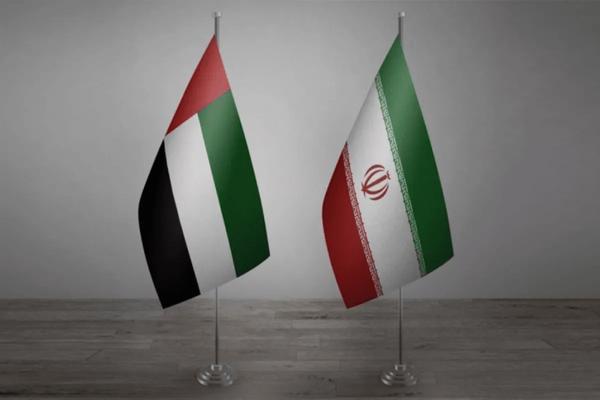
UAE Condemns Iran Attack on ADNOC Vessel in Strait of Hormuz
UAE blames Iran for attacking two ADNOC tankers in Hormuz; no injuries. UAE condemns attack as piracy and demands reopening of Strait of Hormuz.
200 outlets told this the same way.
8 of 10 outlets skipped it: UKMTO reports engine-room damage and advises caution.
Reuters was read line by line by the Watchdog: 5.6. See the score →
200outlets compared
ADNOC ships hit in Hormuz
A vessel belonging to Abu Dhabi National Oil Company (ADNOC) of the United Arab Emirates (UAE) was attacked while transiting the Strait of Hormuz on Friday evening, the company said Saturday, with the company confirming that no injuries have been reported. The UAE foreign ministry condemned the “hostile Iranian attack,” and the statement came a day after the UAE accused Iran of attacking two vessels linked to ADNOC as they passed through the strait.
In a separate report, the United Kingdom Maritime Trade Operations (UKMTO) said a vessel was struck by an “unknown projectile” while transiting the Strait of Hormuz, causing damage to the engine room and resulting in a crew casualty. The British maritime agency said no environmental impact has been reported so far, and authorities were investigating the incident, including who or what was responsible.

UAE embargo and competing claims
The United Arab Emirates imposed an indefinite trade embargo on Iran after accusing Iranian forces of firing two ballistic missiles at the country, with the UAE’s Ministry of Foreign Affairs saying the decision was made in “light of escalations that undermine peace and security in the region.” The UAE said its Ministry of Defence detected two ballistic missiles launched from Iran, with one falling outside the country’s territorial waters and the other landing within them, and it said the missiles were “targeting maritime traffic.”
Iran’s Ministry of Foreign Affairs rejected the accusation as “baseless,” with spokesman Esmaeil Baghaei suggesting it was a “false flag operation” amid the war launched by the United States and Israel against his country. Mark Kimmitt, a retired US general and former assistant secretary of state, told Al Jazeera that the UAE’s trade embargo could hit Iran harder than anything Washington has imposed, adding “I don’t think that you can overstate or understate the importance of the trade, both financial and goods trade, between Dubai and Iran.”

Strait access, threats, and talks
Iran has previously threatened action against any vessels transiting the strait if they are linked to Tehran’s adversaries, or if they fail to comply with Iranian directives, while the Emirati Foreign Ministry said attempts by Iran to use the Strait of Hormuz as a tool of economic coercion amount to “piracy.”
The UAE called on Iran to halt what it called “aggressive attacks” and to commit to ceasing hostilities, and it urged Iran to ensure the complete, unconditional reopening of the Strait of Hormuz.
Iran warned Gulf states against providing assistance to the American military, quoting the Chief of General Staff of the Armed Forces, Major General Mohammad Bagheri, saying that “any assistance or facilitation to the aggressive American army constitutes sharing with the American armed forces in their operations.”
U.S. President Donald Trump said there are no ongoing or scheduled talks or dialogues with Iran, and he stated that the maritime blockade on Iran remains fully in effect, while the 60-day deadline set by the Islamabad Memorandum of Understanding expired last Monday without resuming direct negotiations or agreeing to extend it.