Full story
Drones hit ADNOC tankers
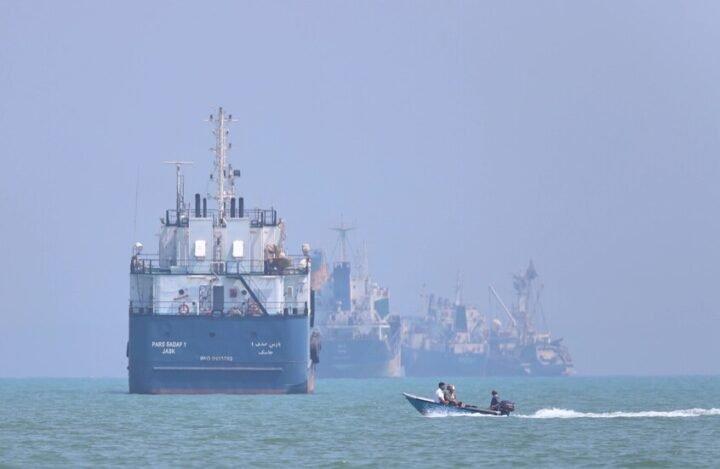
Two UAE oil tankers operated by Abu Dhabi’s state-owned oil and gas company ADNOC were struck by Iranian drones Thursday while navigating the Strait of Hormuz, according to UAE authorities.
“The UAE Foreign Ministry blamed Iran for firing drones at two tankers”
The UAE Foreign Ministry blamed Iran for the attacks, describing them as acts of piracy by Iran’s Islamic Revolutionary Guard Corps and calling the strikes a "flagrant violation" of the U.N.’s principles of freedom of navigation.

The attacks caused no casualties, and the British military’s United Kingdom Maritime Trade Operations Center said two vessels were reported to have suffered minor damage when attacked by drones while transiting the Strait of Hormuz.
ADNOC confirmed Thursday evening that "the situation has been brought under control," and the vessels’ crews were reported safe and accounted for.
The incident came as the United States and Iran remained locked in tense negotiations over the future of the Strait of Hormuz amid the war between the U.S., Israel, and Iran.
UAE, Trump, and Iran trade threats
In a statement, the UAE Foreign Ministry said targeting commercial shipping and using the Strait of Hormuz as a tool of economic coercion or blackmail represents acts of piracy by Iran’s Revolutionary Guard Corps.
There was no immediate response from Iran after the UAE’s condemnation, while the Hill reported that there was no immediate response from Iran to the accusations.

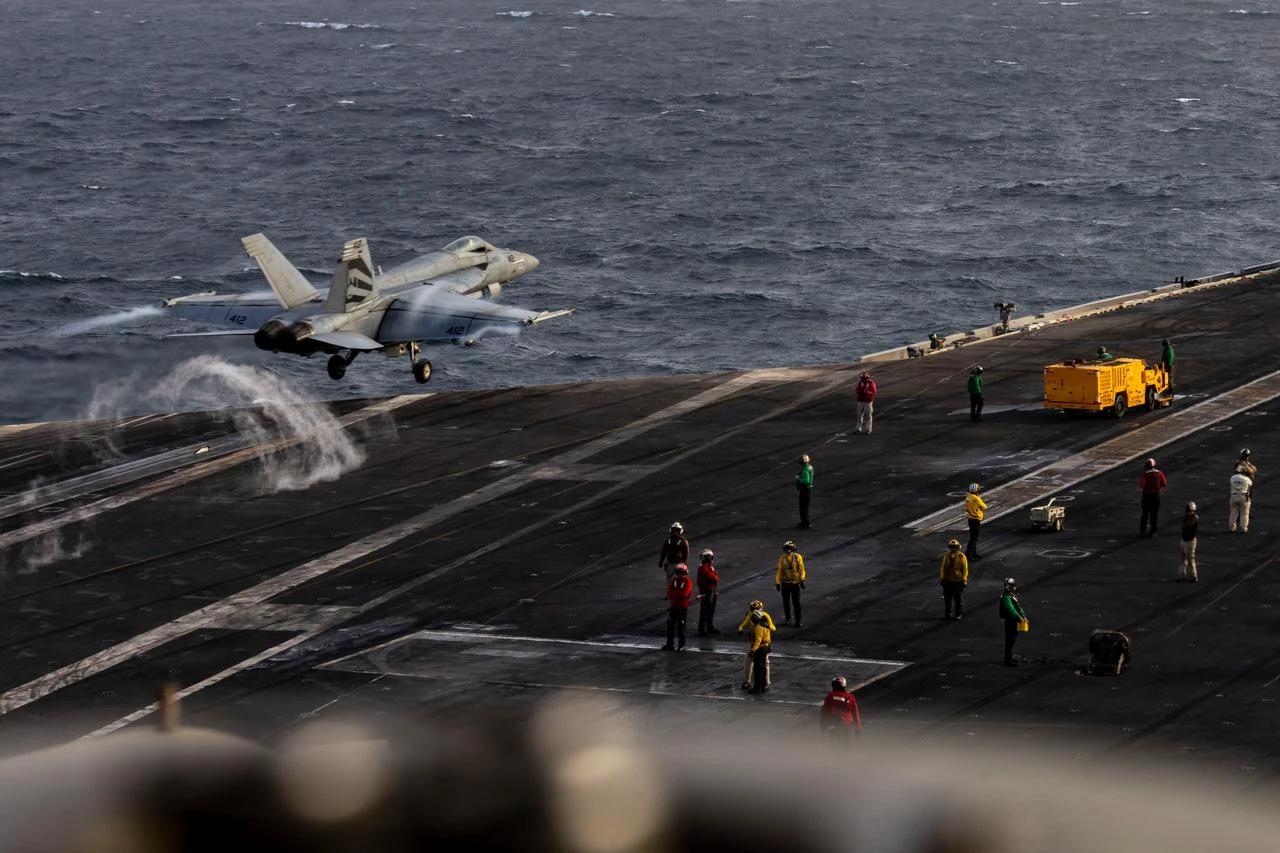
In Washington, Reuters said the U.S. could maintain a naval blockade of Iran indefinitely and increase economic pressure on Tehran in response to stalled ceasefire talks.
Iran International reported President Donald Trump saying, "I will soon declare that the Strait of Hormuz has become a U.S. territory," and it also quoted Trump saying, "After we finish defeating Iran" and that Iran "cannot possess nuclear weapons."
Iran International also quoted Iranian President Ebrahim Raisi saying, "Rising prices and the cost of living are natural," and it quoted him describing longer routes for imports as a reason costs have risen.
Sanctions and shipping risks
The Reuters report linked the tanker attacks and lack of progress on a peace agreement to market moves, saying Brent futures settled at $88.52 a barrel and U.S. West Texas Intermediate finished at $82.40.
“Brent futures settled at $88.52 a barrel”
Reuters also quoted Lipow Oil Associates president Andrew Lipow saying, "Crude oil prices might be $80 a barrel, but diesel prices are $180 a barrel and gasoline is $130 a barrel," as he tied the risk to constrained traffic in the strait.
The Hill and gCaptain both emphasized that the attacks underlined dangers for vessels moving cargo through the waterway that connects the Persian Gulf to open oceans, with UKMTO reporting minor damage and no casualties.
In parallel, the Arabian Gulf Business Insight said the U.S. planned to impose an "indefinite" naval blockade and launch new economic sanctions against Iran by next week, and it said Defence secretary Pete Hegseth would announce new measures next week.
The same Reuters report said the strait handled about one-fifth of global oil and liquefied natural gas supplies before U.S.-Israeli attacks on Iran began in late February, and it described shipping traffic through the channel falling below the month’s average after the U.S. and Iran made claims over control of the strait.