Technology and Scienceupdated 2h ago3 min read
Archive photo · 3 July 2008UK Be Ready Campaign Urges Households to Stockpile Food and Water for 72 Hours
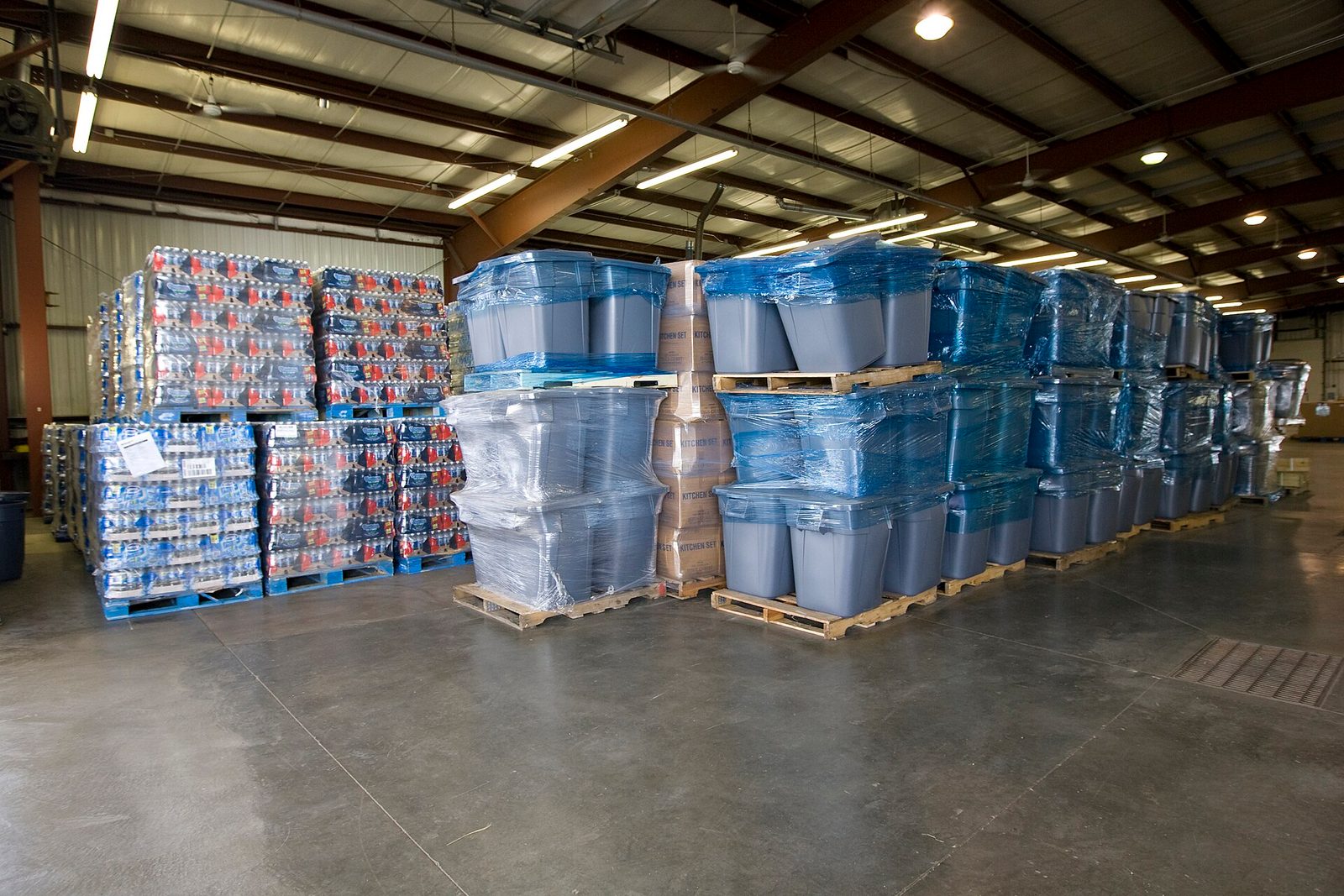
3 Other2 Western MainstreamPhoto: Susie Shapira / US federal government, Public domain · Cropped for layout
This article is an automated aggregation of coverage from news outlets. Our editorials offer in-depth analysis curated by the NewsCord team.
UK Be Ready urges households to stockpile 72 hours of food and water. Preparedness framed against potential disruptions from war, cyberattacks, and critical infrastructure failures.
Save coverage image
The Independent was read line by line by the Watchdog: 3.0. See the score →
Shared framing
Many headlines present stockpiling advice as preparation for possible emergencies, attacks or disruption. Two ask why governments are issuing the advice, while one instead reports broadcaster Dan Bongino’s warning.
4 of 6 outlets · 4 of 6 headlines analysed
- CNN
Governments urge citizens to stockpile food and water
- Imagen Radio
Global crisis on the horizon? Countries issue alerts and urge their populations to stockpile provisions
- The Independent
UK households urged to prepare for emergencies and ‘attacks’
See the headlines
Preparedness advice framed around possible emergencies
These headlines report household advice to stockpile or prepare for emergencies, attacks or potential disruption. They describe precautionary guidance, not evidence that a specific threat is imminent.
- CNNReporting · OngoingGovernments urge citizens to stockpile food and water. Why now?
- Imagen RadioReporting · OngoingGlobal crisis on the horizon? Countries issue alerts and urge their populations to stockpile provisions
Translated headline (es).
¿Crisis mundial a la vista? Países emiten alertas y piden a su población almacenar víveres
- The IndependentReporting · OngoingUK households urged to prepare for emergencies and ‘attacks’. Here’s what to buy
- SOFXReporting · OngoingFrom Britain to Japan, Governments Tell Households to Stock Up
Other angles in this collection
Questions about why governments are issuing the advice
2 outlets · 2 headlines
CNN asks “Why now?” and Grupo Animal asks why governments are requesting stored supplies. These are explanatory questions; the headlines do not establish scepticism about the warnings.
- CNNReporting · OngoingGovernments urge citizens to stockpile food and water. Why now?
- Grupo AnimalAnalysis · OngoingWhy are governments of different countries asking people to store water and food for emergencies?
Translated headline (es).
¿Por qué los gobiernos de distintos países piden almacenar agua y alimentos para emergencias?
All 6 analysed headlines
- CNNReporting · OngoingGovernments urge citizens to stockpile food and water. Why now?
- Grupo AnimalAnalysis · OngoingWhy are governments of different countries asking people to store water and food for emergencies?
Translated headline (es).
¿Por qué los gobiernos de distintos países piden almacenar agua y alimentos para emergencias?
- Imagen RadioReporting · OngoingGlobal crisis on the horizon? Countries issue alerts and urge their populations to stockpile provisions
Translated headline (es).
¿Crisis mundial a la vista? Países emiten alertas y piden a su población almacenar víveres
- The IndependentReporting · OngoingUK households urged to prepare for emergencies and ‘attacks’. Here’s what to buy
- InsideradioReporting · OngoingBongino Warns Americans To Stockpile Food, Water.
- SOFXReporting · OngoingFrom Britain to Japan, Governments Tell Households to Stock Up
Counts describe this collection. One headline may support more than one angle.
Exclusions: Unclear event match (1).
Analysed 31 Oct 2026.
Reviewed by Codex validator (AI) · 31 Oct 2026
Stockpiling, but why now
Governments across multiple countries have urged households to stockpile food and water for potential disruptions tied to war, cyberattacks, and threats to critical infrastructure. The EU’s Union Preparedness Strategy, presented in March 2025, set an objective to promote basic provisions for at least 72 hours in case of an emergency, and a press release framed the need as extending from “hybrid and cybersecurity threats” to climate change and natural disasters. The United Kingdom launched the Be Ready campaign to keep households self-sufficient for at least three days, and the campaign recommended storing bottled water and non-perishable foods along with items such as a flashlight, batteries, a radio, and a portable charger for phones.
The United States guidance described in the coverage included Dan Bongino, former Deputy Director of the FBI, urging the public to prepare reserves for at least three days, including an emergency radio, batteries, long-lasting foods, and means to collect and filter rainwater. The SOFX coverage tied the broader push to threats including war, cyber-attacks, and the climate crisis, while noting that advisories often advise households to stock enough essentials to last at least 72 hours or three days without outside assistance.
What governments tell people
The United Kingdom’s Be Ready guidance advised households to endure at least 72 hours without essential services and anticipated interruptions to electricity, drinking water, telecommunications, and internet connectivity. The French government asked citizens to prepare an emergency kit for the first 72 hours, and the guidance described that period as crucial for dealing with an emergency. Germany’s recommendations urged residents to maintain provisions to cope with up to ten days of emergency, and the guide included a reserve of at least 14 liters of water per person per week.
Taiwan’s government published recommendations that included storing food and supplies for at least seven days, preparing an emergency backpack, and keeping medicines and personal documents available. In the United Kingdom, Defence Secretary Wes Streeting told BBC Newsnight that it was “encouraging that people are taking practical steps to be ready,” and he said “Having a few everyday essentials at home” helps households prepare for disruption.
Timeframes, risks, and plans
The Independent described the Be Ready campaign as a three-year drive, and it said the updated advice covered threats such as flooding and wildfires alongside disruption from cyber attacks and emergencies.
The British guidance emphasized that people should put together an emergency kit for a short-term incident lasting three days, including bottled water and enough bottled water for three days, with each person needing about 3 litres for drinking a day.
The Imagen Radio coverage said the alerts generated concern about escalation of international conflicts, but it also stated that the measures circulated by the countries do not announce the start of a war nor confirm that a third world war is imminent.
The SOFX coverage added that former SEAL Team commander and SOFX newsletter founder Sam Havelock recommended keeping at least two weeks of essential supplies, one month’s cash, and physical precious metals for emergencies.
The CNN segment framed the issue as a question of whether there was an immediate danger or whether it was “simply a matter of being prepared,” and it brought in former U.S. Cybersecurity Czar Richard Clarke to break down the threats.