Finance01 September, 20263 min read
UK Long-Term Borrowing Costs Hit 28-Year High Ahead Of October Budget
This article is an automated aggregation of coverage from news outlets. Our editorials offer in-depth analysis curated by the NewsCord team.
30-year UK gilt yield rose to 5.89%, highest since 1998. Borrowing costs climbed to a 28-year high ahead of the October budget.
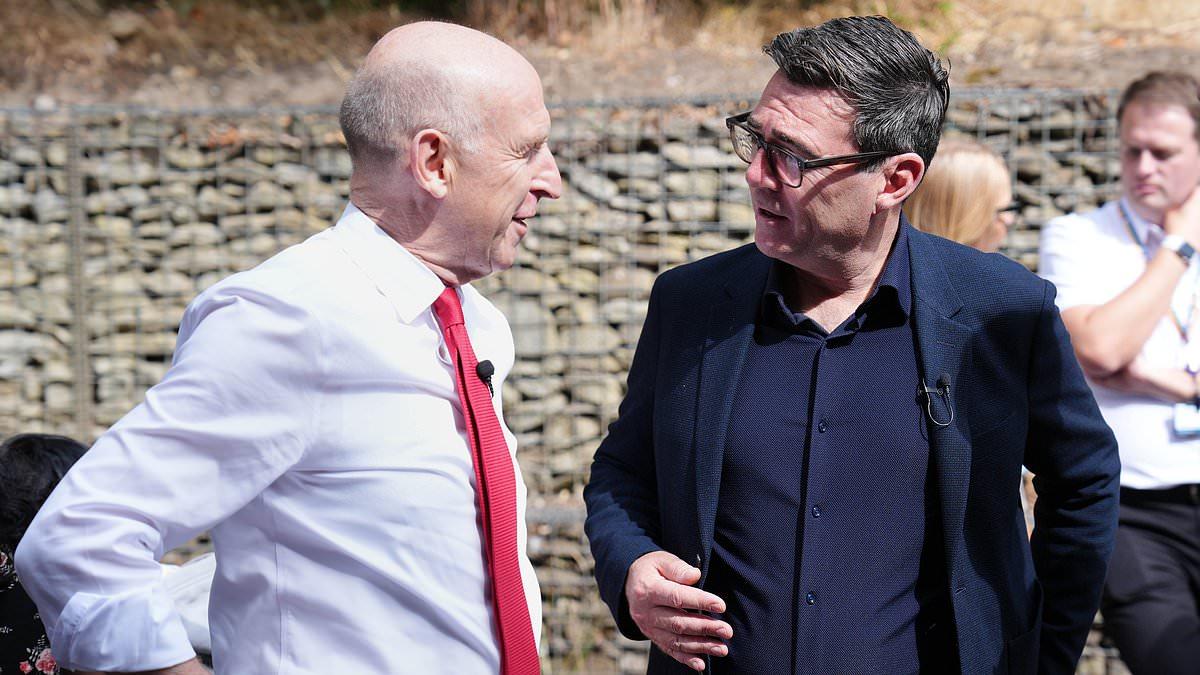
Gilts jump ahead of Budget
UK long-term borrowing costs surged to a 28-year high ahead of the October Budget, with the yield on 30-year UK government bonds rising to 5.89% on Tuesday, the highest since 1998. The BBC said the 30-year gilt yield increase put further pressure on Prime Minister Andy Burnham ahead of his first Budget next month, and it also noted the yield on the benchmark 10-year gilt rose to 5.22% on Tuesday. The Guardian reported that Deutsche Bank’s chief UK economist Sanjay Raja said Healey’s headroom against the current budget rule could fall from £26bn at Rachel Reeves’s spring forecast to £13.8bn before covering any additional spending plans.
Reuters and other market coverage in the Guardian described the move as part of a global bond sell-off that pushed up long-term borrowing costs, with the OBR taking market expectations of future gilt yields during a two-week reference period into account in its forecasts. The Independent framed the same pressure in terms of borrowing money becoming more expensive for Burnham and Chancellor John Healey as the 30-year gilt yield rose by 10 basis points to 5.89% on Tuesday morning.

Debate over fiscal headroom
The BBC reported that Burnham told the House of Commons his government’s "bedrock" would be "fiscal responsibility" as higher borrowing costs reduce the amount of headroom against the self-imposed fiscal rules. In the same BBC account, Conservative leader Kemi Badenoch accused Burnham of "living in the past" and said his diagnosis and theory of growth were "completely wrong." The Guardian said Sanjay Raja suggested Healey would be likely to try to maintain headroom of at least £10bn to assuage market concerns about the government’s commitment to balancing the books, adding that "£10bn to me is the floor."
The Independent echoed the political pressure by linking the bond-market surge to fears of escalating oil prices and wider uncertainty surrounding future inflation, which it said coincided with a broad global sell-off in debt markets. This squeeze on fiscal flexibility was also described by the BBC as making the Budget process trickier for Burnham, because more forecast interest payments increase the likelihood of a squeeze on spending or some form of tax rise.

Global drivers and downstream effects
The Guardian tied the bond sell-off to international factors, including Japanese 10-year yields hitting their highest level since the 1990s and oil prices up 3.8% at nearly $94 a barrel after renewed hostilities between the US and Iran. The BBC added that US borrowing costs hit a fresh high on Tuesday as renewed strikes in the Middle East pushed up oil prices and heightened concerns over inflation, and it said governments are competing with large technology companies raising money for AI investment. In the BBC’s account, JP Morgan’s Karen Ward said governments around the world want to increase spending and are turning to borrowing, and she told the BBC’s World at One that "Markets are getting a lot more choice about who they are going to lend to and at what interest rates."
This international repricing also fed into UK markets and households, with Mortgage Professional America saying the funding costs underpinning fixed-rate mortgage pricing rose as the yield on 10-year gilts climbed to 5.21%, an 18-year high. The stakes for the Budget were framed by This is Money as a potential £6billion debt interest headache for Andy Burnham and John Healey, while it said the chancellor’s first Budget is on October 28 and that the yield on 30-year gilts rose today to 5.87 per cent, the highest level since 1998.