
Technology and Science · 19 August, 2026 · 3 min read
UKHSA Declares Salmonella Enteritidis Outbreak After One Death, 207 Ill
UKHSA declared a national Salmonella Enteritidis outbreak with 207 cases and one death. Imported eggs are leading suspects, with evidence pointing to consumption outside home.
15 outlets told this the same way.
8 of 9 outlets skipped it: US Ramona case: farmer says health dept lacked farm test sample.
15outlets compared
UK outbreak traced by DNA
The UK Health Security Agency (UKHSA) declared a national outbreak of Salmonella Enteritidis after one person died and more than 200 others fell ill, with a total of 207 cases confirmed as of August 13.
Whole genome sequencing (WGS) showed that all cases belonged to a single five-single-nucleotide polymorphism (SNP) single-linkage cluster, and UKHSA said it identified the outbreak on May 26 after detecting an increase in infections caused by a single S. Enteritidis strain using WGS data.
UKHSA said the outbreak is not associated with international travel, as only six of 207 patients reported traveling outside the UK, and cases were reported in England (199), Scotland (six), Wales (one), and Northern Ireland (one).
In England, London accounted for the most cases (47), followed by Yorkshire and Humber (38), and the UKHSA said 38 percent were hospitalized among patients for whom information was available.
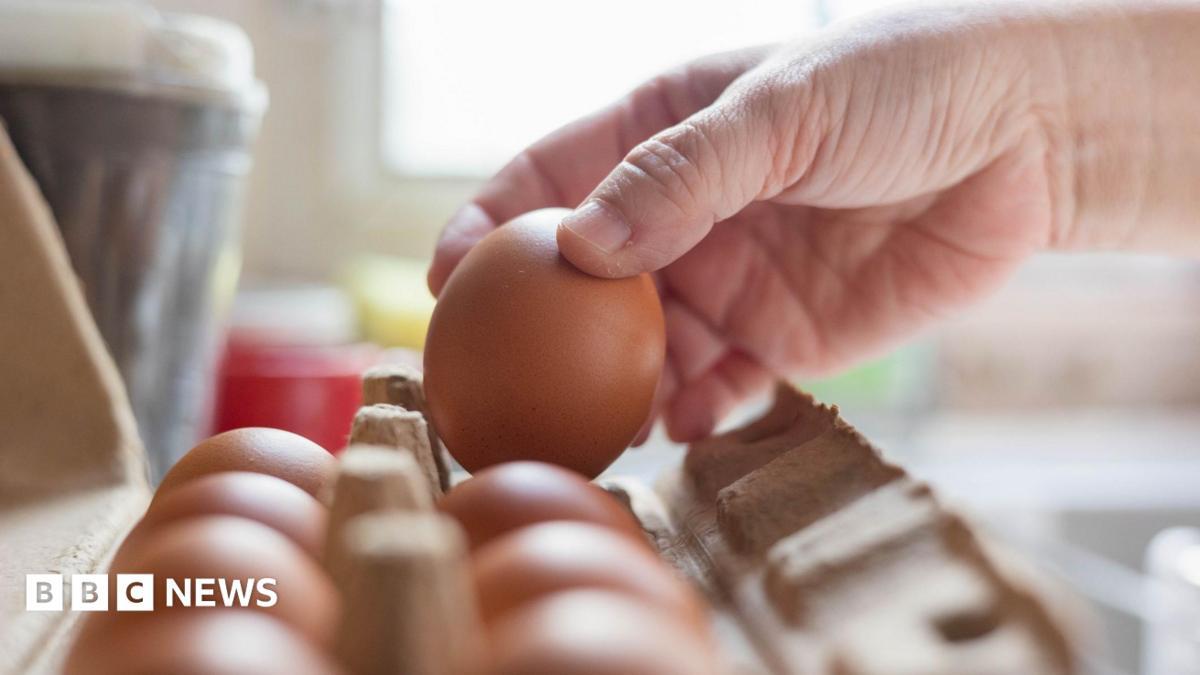
The Guardian reported that UKHSA said the outbreak was linked to people eating imported eggs, and it quoted UKHSA’s notice that “Extensive epidemiological and food chain investigations are ongoing to identify the source and origin of the contamination responsible for illness.”
Imported eggs, eating out
UKHSA said the vehicle of illness had not yet been definitively confirmed, but epidemiological evidence pointed to egg consumption as the strongest food signal identified to date.
The Food Safety Magazine said 95 (83 percent) of 114 patients who completed regional or outbreak questionnaires reported eating food prepared outside the home during the week before symptom onset, and it said interviews identified five food businesses visited by two or more unrelated patients that collectively linked 24 cases.

The Guardian quoted UKHSA’s notice that “Food chain investigations to date have identified that these premises are supplied by eggs from multiple sources, including egg importers,” and it added that local investigations found possible cross-contamination risk events within two of these settings.
In the same Guardian report, Dr Safi Rehman said, “This isn’t an isolated incident. This outbreak is closely related to one from 2025 that was also linked to imported eggs,” tying the current cluster to a prior outbreak.
The Wandsworth Times reported UKHSA’s view that the outbreak “may be linked to eggs imported from outside the UK,” and it quoted the Food Standards Agency saying there is “no evidence that UK-produced eggs are affected.”
Belgium outbreak and wider risk
While the UKHSA investigated the British cluster, The Independent reported that Belgium was hit by a Salmonella Enteritidis outbreak at a Belgian poultry farm that left at least 300 people sick and triggered mass egg recalls across nine countries. The Independent said the outbreak’s origins trace back to Laerco BV, an egg producer in Belgium, and it reported that the EU’s Rapid Alert System for Food and Feed launched international warnings across eight neighbouring countries: France, Luxembourg, the Netherlands, Italy, Spain, Portugal, Poland, and Czech Republic. The Independent also said health officials urged consumers across these countries to inspect egg shells for producer codes 2-BE-1073-01, 2-BE-1073-02, 2-BE-1073-03, and 2-BE-1073-04, with affected eggs carrying shelf-life dates stretching through September 4.
In the UK, the stakes were reflected in the scale of confirmed illness and the hospital burden, with UKHSA figures cited by The Guardian showing at least 34 people treated in hospital for salmonellosis and two people developing bloodstream infections. The Guardian quoted UKHSA’s lead epidemiologist for gastrointestinal infections, Hannah Charles, saying, “We’re working with Food Standards Agency and other public health agencies to investigate a salmonella outbreak that may be linked to eggs imported from outside of the UK,” as investigations continued to identify the source and origin of contamination.