Ukraine War17 August, 20263 min read
Ukrainian Drone Strikes Greek-Managed Tanker Skiros Near Novorossiysk After Loading Russian Oil
This article is an automated aggregation of coverage from news outlets. Our editorials offer in-depth analysis curated by the NewsCord team.
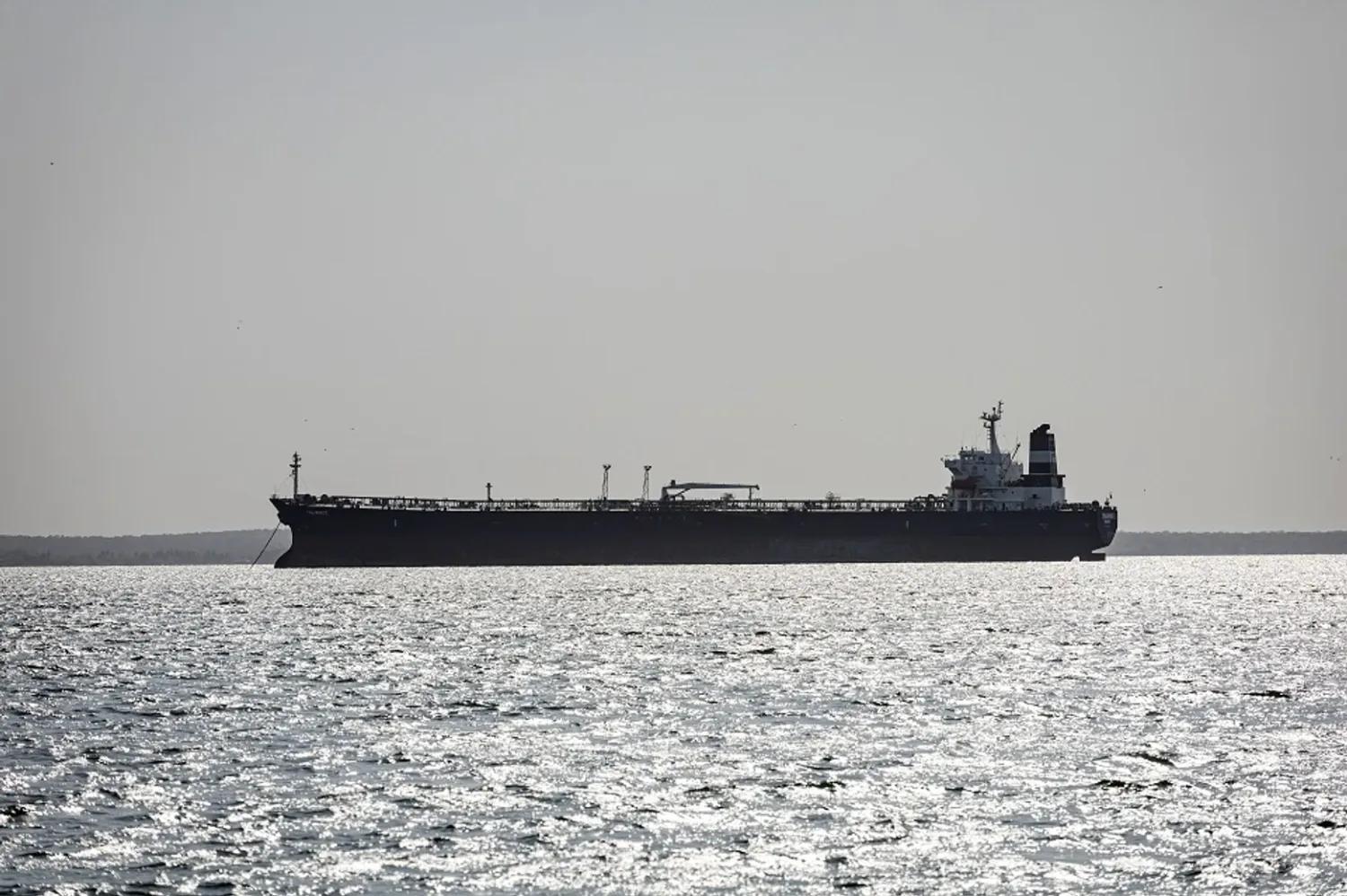
Ukrainian drone strike hit Skiros in the Black Sea after loading Russian crude near Novorossiysk. Skiros is Greek-managed Suezmax with about one million barrels capacity.
8 outlets told this the same way.
Skiros struck after CPC load
A suspected Ukrainian drone struck the Greek-managed Suezmax tanker Skiros in the Black Sea on the evening of 16 August, shortly after the vessel loaded cargo at the Caspian Pipeline Consortium (CPC) terminal near Novorossiysk.
The attack came after the tanker had loaded Russian-origin cargo at the CPC facility, and the vessel’s operators reported no injuries among the crew and no pollution.
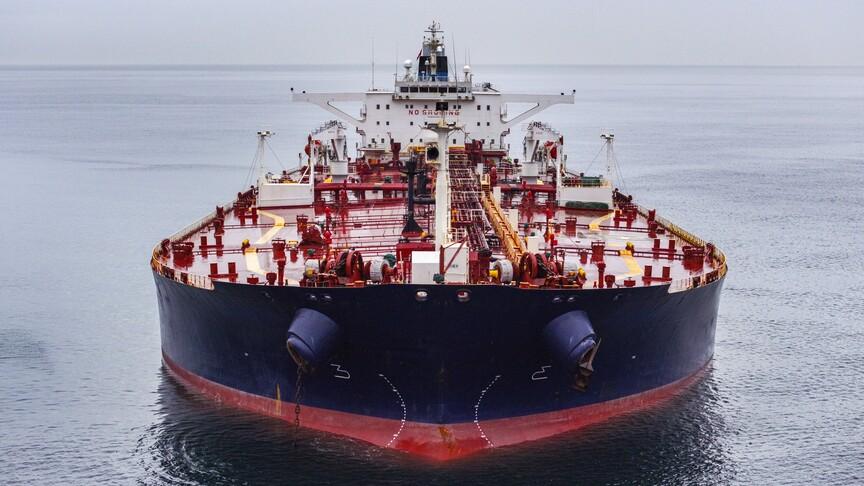
EUalive reported that the Liberia-flagged Skiros (IMO 9390628), managed by Athens-based IMS SA, suffered a fire on its bridge, with footage aired by Greek broadcaster SKAI showing a drone conducting a reconnaissance pass before striking.
The incident was described as the first strike on a vessel calling at the CPC facility in nearly three weeks, and it prompted fresh questions about how such incidents continue amid high-level diplomatic understandings aimed at shielding certain commercial shipping.
Ukrainian officials and others told the Financial Times that U.S. Vice President JD Vance raised the issue directly with President Volodymyr Zelenskyy during a phone call on 31 July, after which Ukraine halted strikes on tankers near the CPC terminal.
Deconfliction and competing claims
The reported understanding, as described by EUalive and the Financial Times, said Kyiv agreed not to target CPC infrastructure or non-Russian vessels bound for the terminal, provided the ships were not subject to Ukrainian sanctions and were not carrying Russian oil or other Russian cargo. EUalive added that the decisive factor appeared to have been the Russian-origin cargo, and that the reported understanding explicitly excluded vessels carrying Russian cargo, meaning the strike did not necessarily violate the letter of the arrangement. Ukrainian officials and people familiar with the matter told Bloomberg, as cited by United24 Media, that the Skiros strike was the first on a vessel calling at the CPC terminal after nearly three weeks without attacks.
United24 Media also reported that a spokesman for Ukraine's General Staff stated he "has no data to comment on the issue," while CPC declined to comment on the incident. The same Bloomberg-based framing appeared in Anadolu Ajansı, which said the attack was "after loading a Russian-origin cargo" and that the company reported "no injuries or pollution from the incident" while declining to comment further.

Energy stakes and operational risk
The Skiros incident sharpened the stakes around CPC, which EUalive described as a major non-Russian export route for Kazakh oil destined for global markets including Europe, and which United24 Media said had recently accounted for almost 2% of global oil supplies. EUalive reported that in late July repeated Ukrainian drone attacks on tankers and related infrastructure near Novorossiysk disrupted CPC operations, forced temporary loading suspensions, and contributed to production cuts at Kazakh fields. United24 Media said the reported targeting of the Skiros suggested cargo origin remains central to the risks facing commercial shipping in the area, and it noted that CPC’s owners include Chevron and Exxon Mobil along with Russia’s state pipeline company and Kazakhstan’s state oil and gas company.
EUalive framed the episode as illustrating tensions in deconfliction efforts, asking how cargo origin can be determined with sufficient certainty and speed to guide real-time targeting decisions in a contested maritime zone. Splash247 added that Novorossiysk remained under heavy pressure despite the CPC understanding, reporting that Russia halted crude loadings at the nearby Sheskharis terminal on August 14 after another drone threat and that a tanker scheduled to load left the area instead.